


The 2026 NFL season highlights some of the most impressive athletes in professional sports, and their training regimens offer valuable insights for anyone looking to upgrade their own fitness routine. The athletic feats you see on game day are the result of carefully designed workout programs tailored to build specific types of strength and power.
What Elite Athletes Are Doing in the Weight Room
Professional football players are not all training the same way. The league’s strongest performers use diverse approaches to build muscle, explosiveness, and athletic endurance. Some focus on classic compound movements like squats and bench presses, while others incorporate unconventional exercises to develop specialized abilities.
Quarterbacks prioritize mobility alongside strength, understanding that locked-up muscles can limit performance. Running backs emphasize explosive hip and leg power through Bulgarian split squats and high-knee resistance drills. Offensive linemen combine heavy deadlifts and farmer’s walks with advanced techniques like power cleans and box jumps, sometimes holding dumbbells to increase difficulty. Defensive players mix traditional strength training with plyometric exercises and even MMA-inspired movements to stay ahead of opponents.
What binds these approaches together is a focus on functional strength. These athletes aren’t training to look impressive in a photo; they’re training to dominate in their specific roles. Understanding these professional approaches can transform your own workout by helping you identify which training methods align with your personal fitness goals.
Key Training Principles You Can Apply Today
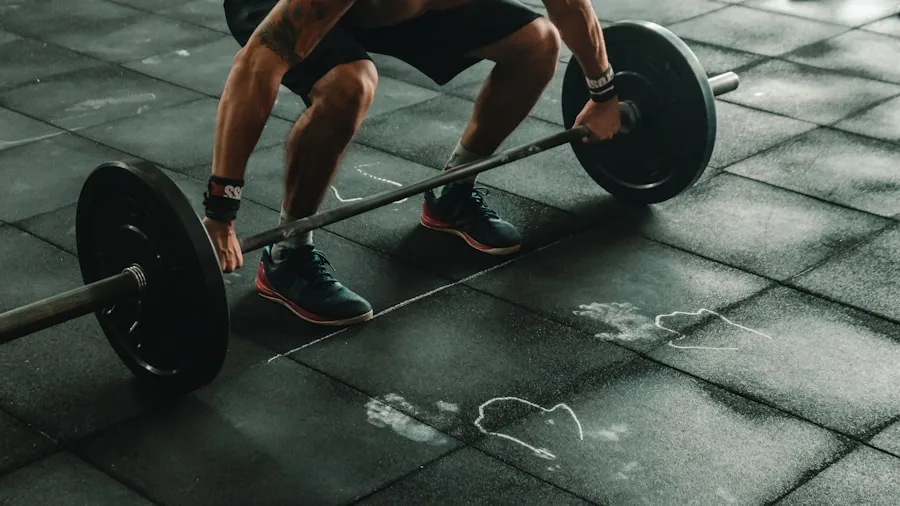
Several patterns emerge from how elite football players approach their fitness. First, variety matters. Athletes rotate between heavy strength work, explosive power training, and bodyweight exercises to prevent plateaus and reduce injury risk. Second, specificity wins: They target weak points rather than blindly following generic programs. A cornerback trains differently than a tackle, and both differ from a kicker.
Durability is another major focus. Many All-Pro players spend as much time on injury prevention as they do on adding muscle. This includes mobility drills, pool workouts, weighted vests, and recovery techniques like compression tools and MMA training. The goal isn’t just to get strong; it’s to stay healthy enough to perform week after week.
Recovery and longevity strategies also play a crucial role. Some athletes invest heavily in professional training facilities, specialized equipment, and nutritional support throughout the year. Even simpler approaches work: boxing workouts, resistance band training, and explosive jump movements can build the power and durability you need without expensive setups.
What This Means for Your Workout Planning
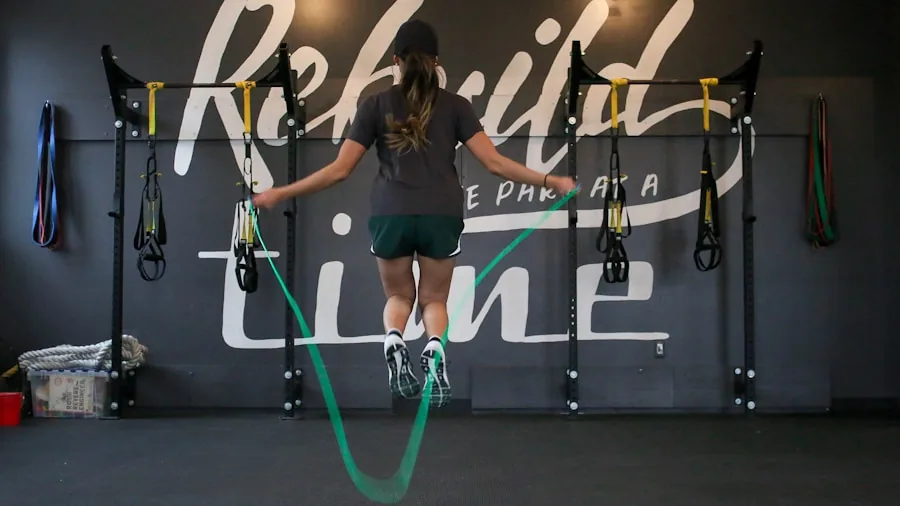
These elite training methods reveal that progressive overload and targeted exercise selection trump simple routine. Rather than defaulting to basic gym staples, consider mixing in plyometric exercises, explosive lifts, and stability challenges. Investing in proper workout shoes designed for varied training will support these more demanding routines and reduce injury risk during jumping and explosive movements.
The data also shows that bodyweight exercises remain valuable at any level. Pullups, dips, face pulls, and leglifts appear in workouts alongside heavy barbells, suggesting a balanced approach beats extreme specialization. Building both absolute strength and relative strength (your strength relative to body weight) creates more well-rounded athleticism.
Additionally, the specific training styles used by elite defensive players offer lessons for general fitness. Change-of-direction drills, sprint work on variable surfaces, and explosive lower-body training improve not just performance but also everyday movement quality and injury resilience. These approaches benefit anyone, not just athletes chasing professional careers.
Translating Professional Methods to Your Routine
Start by identifying your weak points. Are you lacking explosive power, mobility, endurance, or basic strength? Professional athletes address each category systematically. If you’ve never done Bulgarian split squats or power cleans, begin with lighter loads and perfect form before progressing.
Quality athletic wear that allows full range of motion helps you perform these movements safely and comfortably. Just as importantly, consistency and progressive challenge matter more than intensity. Building workouts around proven moves like trap-bar deadlifts, front squats, box jumps, and explosive rows creates the functional strength foundation these elite athletes rely on.
The 2026 NFL All-Strong Team demonstrates that athletic excellence emerges from thoughtful programming, consistent execution, and willingness to adapt. Whether you’re training in an elite facility or a modest home gym, applying these principles to your own routine will deliver measurable improvements in strength, power, and overall fitness.






Write Your Review
No reviews yet. Be the first to share your experience!