


The Growing Reality of Single-Parent Satisfaction in Co-Parenting Situations
A growing number of parents are discovering an uncomfortable truth: managing children alone sometimes feels less stressful than parenting with a partner. While this reality challenges conventional family wisdom, it reflects genuine challenges many households face when different parenting styles, stress responses, and emotional regulation create friction during everyday moments. Understanding this dynamic matters for parents seeking healthier family environments and better outcomes for their children.
How Parenting Styles Create Conflict

When one parent responds to minor setbacks with frustration or anger, while the other takes a calm, problem-solving approach, children absorb the tension. A child spilling crumbs after dinner might prompt one parent to yell and shut down mealtime, while another parent simply pulls out a handheld vacuum afterward. These different reactions teach children conflicting lessons about accountability, accidents, and emotional control. Over time, kids learn to navigate around the reactive parent, tiptoeing through family moments instead of feeling safe to be themselves.
Morning routines reveal these patterns too. When a child eats slowly or doesn’t answer quickly enough, raised voices create unnecessary stress before school starts. Parents who struggle with their own anxiety often project that onto children, making them worry about adult problems like car repair costs before they’re developmentally ready. Managing summer custody transitions becomes easier when both parents share similar emotional baselines.
The Impact on Child Development and School Performance
Children are emotional sponges. Starting the school day with a parent yelling at the curb changes how kids show up in the classroom. A child already struggling with a new teacher and experiencing Sunday night anxiety doesn’t need additional morning stress. Parents who recognize this pattern often report that solo parenting trips feel smoother, allowing their child to be more relaxed and present.
When travel involves just one parent and child, decisions flow more naturally. There’s no competing vision about how to spend money, what activities to prioritize, or how to respond to minor complaints. A parent comfortable saying yes to most requests creates an environment where children feel heard and valued. This doesn’t mean a parent lacks boundaries; it means consistent, calm boundaries work better than reactive ones.
The Bicycle Moment: A Case Study in Parenting Conflict
Consider a practical scenario: a parent spends time assembling a new bicycle, but then reacts with anger when the child accidentally rolls over their own foot while bringing it outside. Instead of checking on the child’s wellbeing, the parent immediately fears the bike is damaged and lectures about carelessness. The parent then interprets attempts to explain as backtalk and disengages entirely.
The solo parent follows up by taking the child to an empty parking lot to practice, building confidence and joy. Both parents love the child equally, but one creates trauma while the other creates memories. The child learns that mistakes happen and that adults help solve them. When considering family activities or safety considerations for different travel scenarios, a parent’s baseline stress level determines whether outings feel fun or fraught.
Recognizing the Root Causes
Parents who operate from a place of chronic stress, high-strung temperament, or unresolved trauma often struggle to regulate their emotions around children. They may be disorganized despite having perfectionistic tendencies, creating internal conflict that spills outward. While loving their children deeply, their nervous systems remain on high alert, interpreting normal childhood behavior as personal attacks or failures.
Professional support matters, but cost and availability barriers often prevent access. Therapy can help parents understand their triggers and develop better responses, but when those resources aren’t available, the burden falls on the co-parent to manage both children’s needs and the emotional fallout from a reactive partner.
What This Means for Family Planning and Decisions
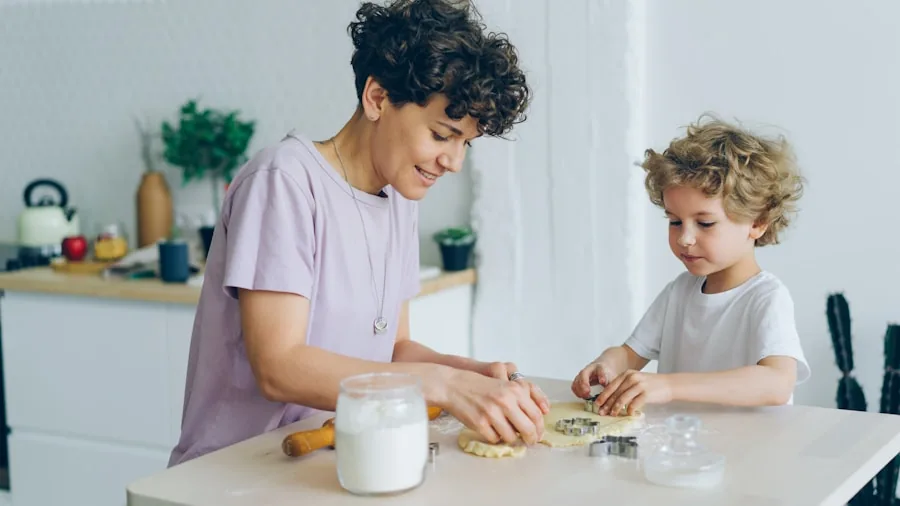
For parents facing this reality, solo vacations or trips become acts of self-preservation and child protection. Choosing to travel alone with children isn’t selfish; it’s choosing an environment where kids thrive. Parents report that solo parenting feels easier because there’s alignment between what they say and what they do, and children respond to that consistency.
Understanding these dynamics helps parents make choices that prioritize their child’s emotional wellbeing. Whether considering activities and toys that encourage independent play, family schedules, or vacation plans, this awareness empowers better decisions. When one parent’s presence creates stress rather than support, alternative arrangements often serve everyone better.
Moving Forward
This isn’t a message to avoid partnership or marriage. It’s recognition that not all co-parenting situations improve family life. Children deserve environments where parents manage their own emotions, respond to needs calmly, and create safety through consistency. Sometimes that happens more reliably with one parent managing daily life. When it does, acknowledging that reality allows families to make choices that genuinely serve their children’s development and wellbeing.





Write Your Review
No reviews yet. Be the first to share your experience!