
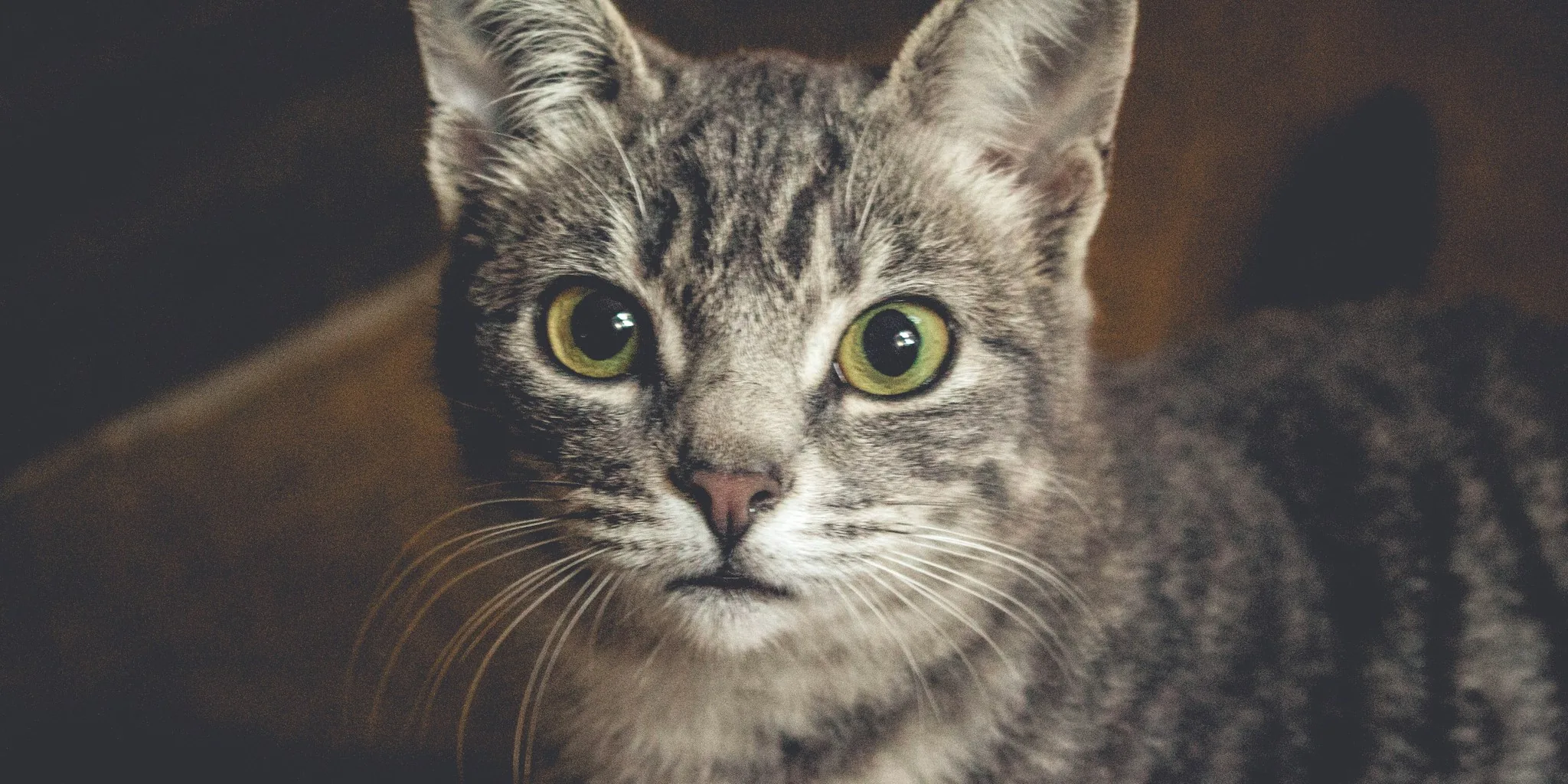

A groundbreaking study from the University of Minnesota has identified a surprising potential treatment for one of the most dangerous feline emergencies: recurrent urinary blockages in male cats. Researchers found that lorazepam, a medication commonly used to treat anxiety in both humans and animals, may significantly reduce the risk of blockage happening again after an initial episode.
Understanding the Life-Threatening Emergency
Urinary obstruction in male cats represents a critical medical emergency that demands immediate veterinary attention. When a cat’s urethra becomes blocked by mucus, crystals, inflammation, or muscle spasms, urine cannot drain from the bladder. This creates a cascade of dangerous complications within hours. Waste products and electrolytes accumulate in the bloodstream, potassium levels rise to toxic levels, and the cat faces metabolic acidosis, irregular heartbeat, and organ damage. Without urgent treatment, a blocked cat can die.
Male cats are particularly vulnerable because their urethra is narrow and lengthy, with portions composed largely of skeletal muscle that can tighten or go into spasm. While veterinarians can typically relieve the initial blockage through catheterization and stabilization, the real challenge emerges afterward.
The Recurrence Problem That Costs Lives
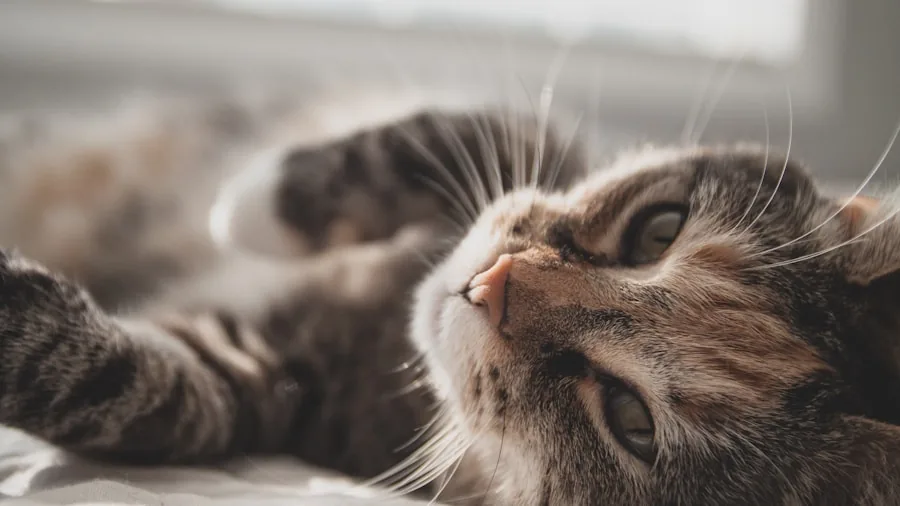
The aftermath of a urinary blockage proves more troubling than the emergency itself for many cats. Research shows that over half of male cats develop urinary symptoms again within weeks of going home, and roughly 36% experience another complete blockage, usually within two to three weeks. This high recurrence rate leads to repeated emergency visits, expensive treatments, and tragically, euthanasia in many cases.
The blocked urethra may be cleared, but the surrounding tissue remains irritated and inflamed. The skeletal muscles stay tense and reactive, leaving the cat vulnerable to another episode. Traditional medications like prazosin and phenoxybenzamine work by relaxing smooth muscle, but they don’t effectively target the skeletal muscle where obstructions most commonly occur.
How Lorazepam Shows Promise
Lorazepam belongs to a class of drugs called benzodiazepines, typically prescribed for anxiety and muscle tension. Researchers theorized that its dual action, both calming anxiety and relaxing skeletal muscle, might address two interconnected factors in feline lower urinary tract disease: physical muscle tension and stress.
The clinical trial enrolled 80 male cats recovering from their first urinary blockage. Cats with complicating factors like urinary tract infections were excluded to create a focused study group. Half received 0.25 mg of lorazepam every 12 hours for 30 days, while the other half received a placebo. Both groups also received standard post-blockage care including appropriate litter boxes, prescription urinary diet, guidance on hydration, environmental enrichment, and stress management recommendations.
The results were striking: zero cats in the lorazepam group experienced re-blockage during the study, compared to 5 out of 39 cats in the placebo group. The lorazepam group also reported fewer urinary symptoms overall, though the difference wasn’t statistically significant.
Side Effects and Safety Considerations
Lorazepam was generally well tolerated, though some side effects emerged. The most notable was ataxia, an unsteady gait affecting 4 of the 31 cats receiving the medication. Some cats also experienced drowsiness, increased appetite, or excessive vocalization. Importantly, many cats in the study simultaneously received gabapentin, which can also cause unsteadiness, so researchers couldn’t definitively attribute every case of ataxia to lorazepam alone.
What This Means for Cat Owners
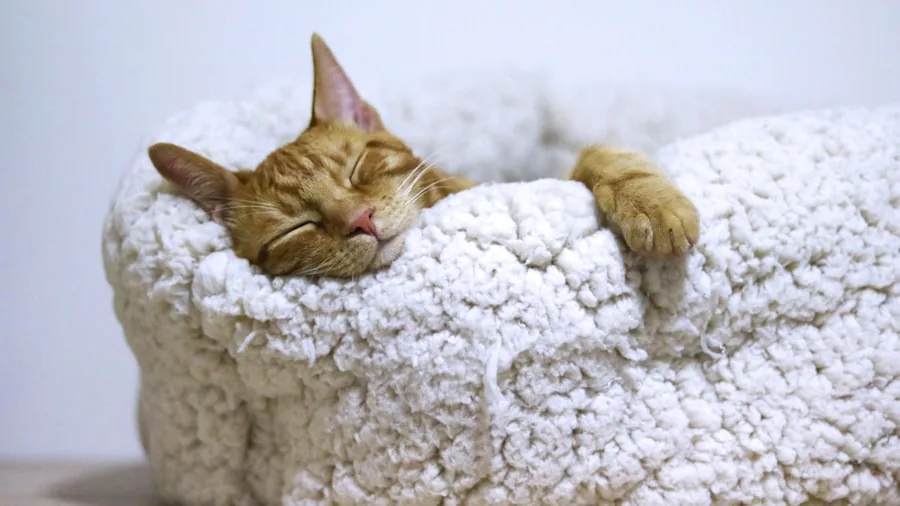
While the study results are encouraging, experts caution against viewing lorazepam as a universal cure. The trial included only 80 cats from a single university hospital, and larger multicenter studies are necessary to determine how widely these findings apply. Additionally, the relatively low recurrence rate in the placebo group, combined with standard post-blockage care including proper feeding management and stress reduction, suggests that comprehensive prevention strategies work.
However, for owners whose cats have survived a urinary blockage and face the anxiety of potential recurrence, lorazepam represents a promising new tool. The medication may be particularly valuable during the high-risk period immediately following hospitalization when stress and inflammation are most pronounced.
The Broader Perspective
Urinary obstruction in cats remains a multifactorial condition without a single solution. This research highlights the importance of addressing both the physical components, like muscle tension, and the psychological factors, like stress, that contribute to recurrence. Environmental enrichment and comfortable resting spaces complement medical interventions in a comprehensive prevention approach.
Veterinarians now have another option to discuss with owners of affected cats. While lorazepam won’t prevent every recurrence, it offers a targeted approach for relaxing the skeletal muscle most vulnerable to spasm-induced blockage, combined with anxiety reduction during the stressful recovery period. For cats and their owners who have endured the frightening experience of urinary obstruction, this new possibility represents genuine hope for preventing tragedy from striking twice.



Write Your Review
No reviews yet. Be the first to share your experience!