


As wireless technology continues to dominate the audio market, many consumers assume that wired earbuds are obsolete. However, Apple’s traditional wired EarPods remain available for purchase, and there are legitimate reasons why certain buyers still choose them over their wireless counterparts. Understanding the differences between these options can help you make a smarter purchasing decision for your needs.
The Core Differences Between Wired and Wireless Earbuds
While AirPods have evolved significantly over the past decade, adding features like noise cancellation, heart rate monitoring, and spatial audio, wired EarPods are intentionally simple. They lack advanced gesture controls, voice commands, and the sophisticated audio processing found in modern wireless models. Yet this simplicity is exactly why some buyers prefer them.
The most obvious advantage of wired earbuds is their independence from batteries. Your EarPods are ready to use immediately, every single time. There’s no need to remember charging schedules or monitor battery levels. This reliability makes them particularly appealing to people who have experienced the frustration of reaching for their wireless earbuds only to find them completely dead. Additionally, a physical wired connection eliminates all Bluetooth pairing issues, making it easy to share earbuds between users or quickly switch between devices without re-pairing hassles.
Audio Quality and Microphone Performance
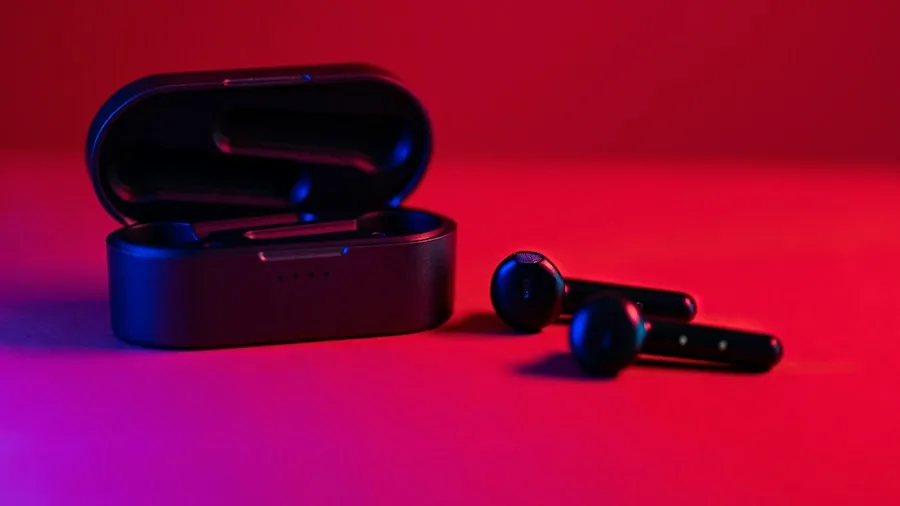
Wired connections deliver superior microphone quality compared to wireless alternatives. While Apple has made genuine improvements to AirPods microphone technology, wired audio transmission still outperforms Bluetooth in voice clarity. This becomes particularly noticeable during phone calls or video meetings where voice quality matters most.
The versatility of connection options adds another practical advantage. EarPods are available with three different connector types: standard 3.5mm, Lightning, and USB-C. This means you can purchase separate pairs tailored to different devices, and at their affordable price point, maintaining multiple sets becomes economical. You could carry earbuds specifically designed for your iPhone, your computer, or your Android tablet without breaking your budget.
The Trade-offs of Wired Earbuds
There’s a significant caveat to using wired EarPods with modern iPhones. Since current iPhone models lack a traditional headphone jack, connecting wired earbuds requires using the charging port, which means you cannot simultaneously charge your phone while listening to music. This limitation can be frustrating during long commutes or travel situations when battery life matters most. However, simple USB adapters can split the charging port into dual inputs, solving this problem at minimal additional cost.
Price Considerations and the Value Proposition
The most compelling reason many shoppers still purchase wired EarPods is their exceptional value. At just nineteen dollars, they represent an unbeatable price point compared to wireless alternatives. The least expensive AirPods currently cost one hundred twenty-nine dollars, making them nearly seven times more expensive than basic wired earbuds.
This price difference becomes particularly meaningful when you consider replacement scenarios. If you frequently lose individual earbuds or need backups for different situations, buying multiple pairs of affordable wired options makes financial sense. Some buyers strategically purchase both wired and wireless models, keeping reliable EarPods as backup devices while enjoying the advanced features of modern wireless earbuds for daily use.
Who Should Consider Wired EarPods

Wired EarPods make sense for several buyer segments. Those who frequently forget to charge their wireless earbuds and experience repeated dead battery situations may find wired models more reliable. Budget-conscious consumers or anyone needing backup earbuds for occasional use should consider them as a cost-effective solution. If you prioritize microphone quality for frequent calling or prefer simplicity over feature-rich technology, traditional EarPods offer genuine value.
Students, professionals with tight budgets, and anyone maintaining multiple devices across different ecosystems can benefit from having dedicated wired options. Since iPhone earbuds options continue expanding, you have many choices beyond just one brand.
The Verdict
While AirPods and other wireless earbuds clearly offer superior features and convenience for most users, dismissing wired EarPods entirely overlooks their practical strengths. They provide zero-maintenance audio with reliable connectivity, excellent voice quality, and remarkable affordability. Rather than viewing wired and wireless earbuds as competing products, many informed shoppers recognize them as complementary solutions serving different needs and situations. Your ideal audio setup might actually include both options, allowing you to choose the right tool based on each day’s circumstances.






Write Your Review
No reviews yet. Be the first to share your experience!