

A Major Shift for Land Rover Production
Land Rover and automaker Stellantis have announced plans to collaborate on developing and manufacturing vehicles in the United States, marking a significant turn for the British luxury brand. The centerpiece of this partnership is expected to be a new Defender pickup truck engineered specifically for American buyers. This development addresses mounting tariff costs that have made importing vehicles to the U.S. increasingly expensive for Land Rover.
For years, Land Rover imported all its vehicles to North America, with the U.S. representing the majority of nearly 30 percent of the company’s global sales. However, tariffs imposed in 2025 created substantial price pressures, with UK-built models facing 10 percent duties and EU-built vehicles absorged 15 percent tariffs. By establishing domestic production with Stellantis, Land Rover aims to reduce these costs while expanding its American footprint.
What This Means for the Truck Market
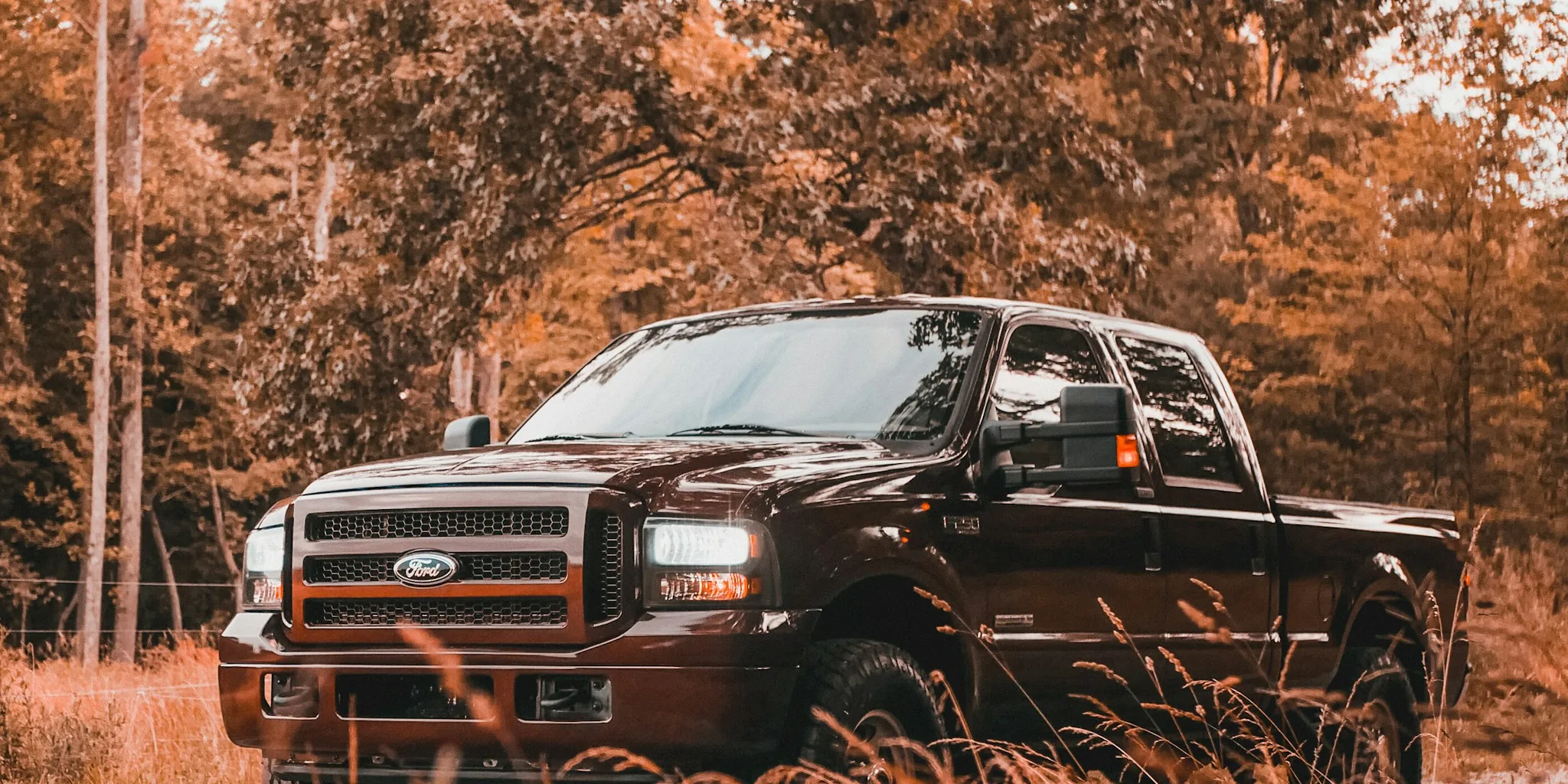
The arrival of a luxury-branded pickup would introduce fresh competition to a market long dominated by Ford, General Motors, and Stellantis itself through RAM and Jeep. While premium truck variants already exist, such as the Ford F-150 Platinum and RAM 1500 Tungsten, a vehicle purpose-built by Land Rover as a truck rather than a car-based variant would stand apart.
A Defender pickup would likely feature a unibody platform, a construction method that differs from the body-on-frame design that Stellantis currently uses for the RAM 1500, RAM HD, and Jeep Gladiator. This design choice would echo what consumers know from the Honda Ridgeline, which continues to use unibody construction for its next-generation model, offering a car-like ride combined with truck utility. Stellantis does produce unibody vehicles, including the Jeep Grand Cherokee and Dodge Durango, so the technical foundation exists to pursue this path.
Key Details Still Under Wraps

The partnership was formalized through a memorandum of understanding signed in May, with Land Rover CEO PB Balaji stating the company wants to grow its U.S. market presence to rival its current global scale. Despite the ambitious goal, neither Land Rover nor Stellantis has released specifics about the proposed truck.
Questions remain about the truck’s size category, engine options, and exact features. Stellantis will likely contribute to powertrain development, potentially offering diesel or gasoline engines designed for American preferences. The truck would be developed as a new variant within the Defender lineup rather than replacing existing production at the Slovakia facility where current Defender models are built.
Shoppers considering trucks should know that this partnership represents Land Rover’s strategy to combine its reputation for luxury and capable off-road engineering with production expertise and market knowledge that Stellantis brings from decades of truck manufacturing. For those interested in truck accessories and features, exploring the best truck bed covers for pickup owners in 2026 can help understand what modern truck owners prioritize.
Timeline and What Comes Next
The Defender pickup remains years away from reaching dealerships, so prospective buyers should not expect to see it soon. Industry observers note that vehicle development timelines typically span several years from concept through engineering, homologation, and manufacturing setup. This delay gives Land Rover and Stellantis time to understand U.S. buyer preferences and refine the truck’s specifications.
The collaboration also signals how tariffs and production economics are reshaping the auto industry. Luxury brands increasingly recognize that selling in the U.S. requires either domestic assembly or strategic partnerships that reduce import costs. By teaming with Stellantis, Land Rover gains access to manufacturing infrastructure, supplier networks, and regulatory expertise while maintaining its brand identity.
For truck shoppers evaluating their options, this announcement highlights the changing competitive landscape. New entrants like Land Rover challenge established players to innovate and ensure their vehicles meet evolving consumer demands. Whether this Defender pickup ultimately succeeds depends on execution, pricing, and how well it balances luxury amenities with the ruggedness and practicality American truck buyers demand.


Write Your Review
No reviews yet. Be the first to share your experience!