
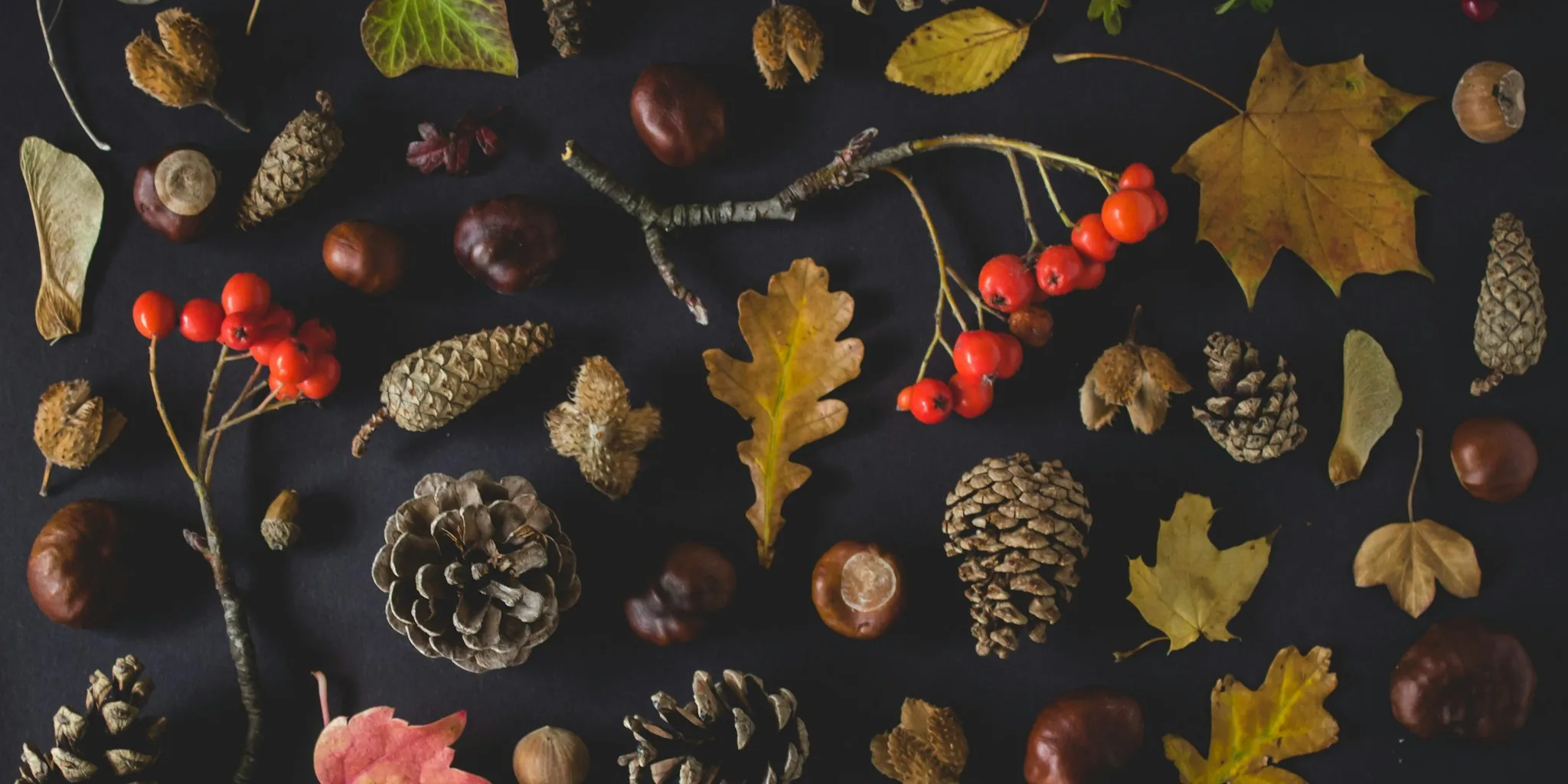

As autumn arrives, gardens fill with natural debris from falling leaves, acorns, and pinecones. Rather than disposing of this seasonal bounty, savvy gardeners are discovering smart and sustainable ways to repurpose these materials. Whether you’re managing a small urban garden or a sprawling backyard landscape, these free resources offer real solutions for common gardening problems.
Protect Plants from Slugs and Snails
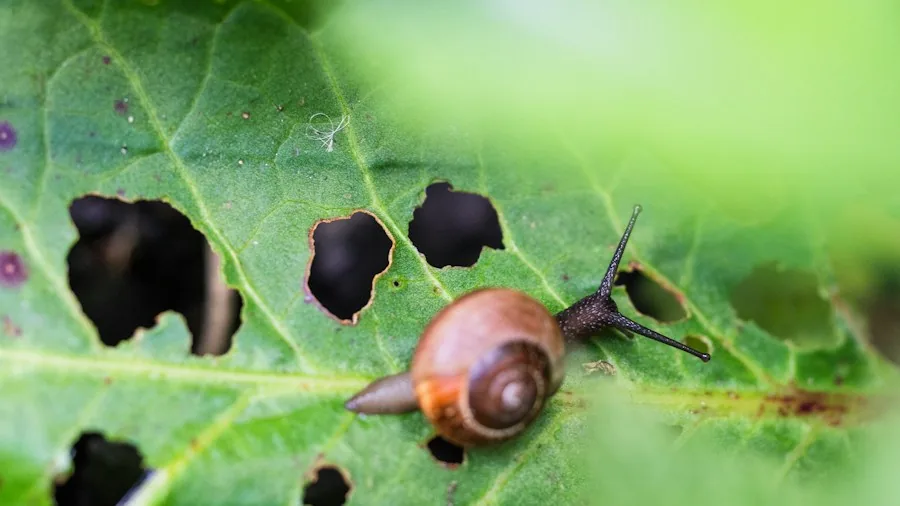
Slugs and snails damage gardens by chewing ragged holes through leaves and destroying young seedlings. These pests struggle to move across sharp, uneven surfaces, making them avoid well-protected plants. Create a natural barrier by arranging spiky acorn caps, crushed pinecones, and whole small pinecones around vulnerable plants. Mixing in crushed eggshells fills gaps and strengthens the defense. This chemical-free approach keeps your plants safe without synthetic pesticides and costs nothing if you’re collecting materials from your own yard.
Lighten Heavy Container Gardens
Large pots filled entirely with soil become extremely heavy, particularly when you’re planting multiple containers for seasonal displays. Pinecones solve this problem effectively. Layer them at the bottom of a pot to improve drainage and reduce total weight. This simple solution makes it easier to rearrange planters and prevents waterlogging that kills roots. Ensure adequate soil depth remains above the pinecone layer so plant roots can access nutrients and moisture. Remember that pinecones alone don’t guarantee drainage; you still need quality potting soil and pots with functioning drainage holes.
Create Winter Housing for Beneficial Insects
Native insects like solitary bees, lacewings, ladybugs, and beneficial wasps need dry shelter during winter hibernation. Pinecones’ natural nooks and crannies provide ideal spaces for these garden allies. Build a bug hotel by stacking pinecones with hollow stems, bark, twigs, and untreated wood inside a box or pot laid on its side. Position the hotel in a sheltered spot protected from heavy rain and winter wind. Providing safe overwintering spaces for pollinators and predatory insects strengthens your garden’s natural ecosystem and reduces pest problems next season.
Support Wildlife Through Seasonal Scarcity
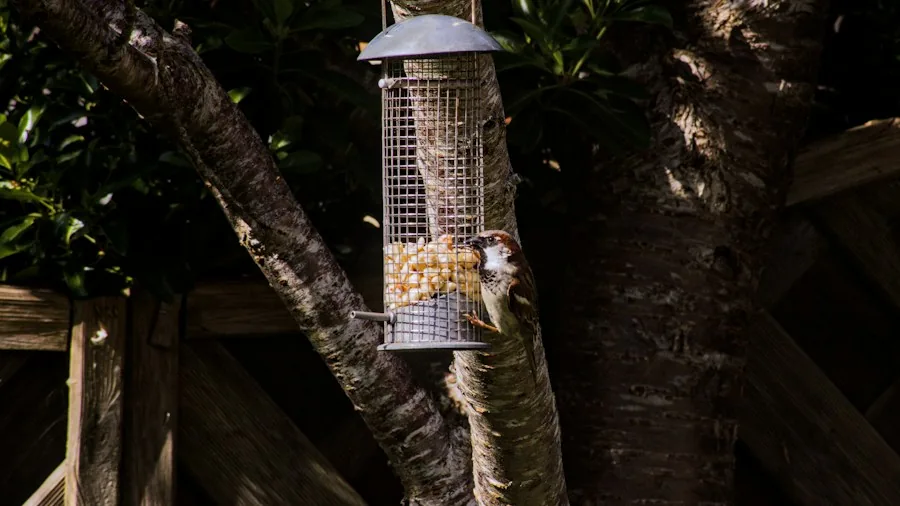
Winter reduces natural food sources for birds and other yard wildlife. Scatter loose acorns in quiet garden corners where wildlife congregating won’t disturb you. For a more active feeding approach, create hanging bird feeders using pinecones. Coat them with peanut butter or suet, roll them in birdseed, and hang them from tree branches, shepherd’s crooks, or porch railings. This provides essential nutrition to support local bird and squirrel populations during the lean months. Check your local wildlife regulations before establishing permanent feeding stations.
Design Natural Mulch and Garden Pathways
Pinecones function beautifully as decorative mulch for container gardens and small beds. Break them into smaller pieces to create a layered covering around plants, or leave them whole around containers for added visual appeal. Both crushed pinecones and whole acorns work well as natural borders between plants, along bed edges, and between stepping stones in garden pathways. Be aware that acorns will eventually germinate in spring, so remove them seasonally if sprouting isn’t desired. This approach requires no purchase and adds rustic autumn character to your outdoor space. For reliable garden infrastructure, consider pairing natural elements with functional pieces like raised garden beds designed for small spaces to create organized planting areas.
Create Fall Decorations and Crafts
These natural materials inspire creative seasonal projects. Pinecones arranged in pots, scattered around pumpkins, or incorporated into autumn displays bring festive touches to porches and patios. Combine acorns and pinecones into fall wreaths, hanging ornaments, and garlands. For indoor projects, bake acorns and pinecones at 200 degrees Fahrenheit for one to two hours to dry them out and eliminate pests. Check every 15 minutes to prevent burning. This sterilization process ensures materials are safe for indoor use and decorative longevity.
What to Avoid
Certain practices defeat the sustainability benefits of reusing these materials. Don’t scatter large quantities of acorns in areas where you’re unwilling to manage sprouting oaks. While baking sterilizes materials for crafts, leave acorns and pinecones raw if feeding wildlife. Never use diseased plant material; discard questionable items with yard waste to prevent spreading pathogens. When in doubt about plant health, it’s safer to toss materials than risk introducing problems. For comprehensive garden planning, quality garden hoses rated for various yard sizes help you maintain healthy plants alongside natural pest management strategies.
This autumn, before raking everything into the waste bin, gather acorns and pinecones for these practical and decorative purposes. These free seasonal resources reduce disposal costs, support local wildlife, and create a more sustainable garden ecosystem. By thinking creatively about fall debris, you’ll discover that nature’s seasonal gifts offer real value for shoppers seeking economical gardening solutions.



Write Your Review
No reviews yet. Be the first to share your experience!