
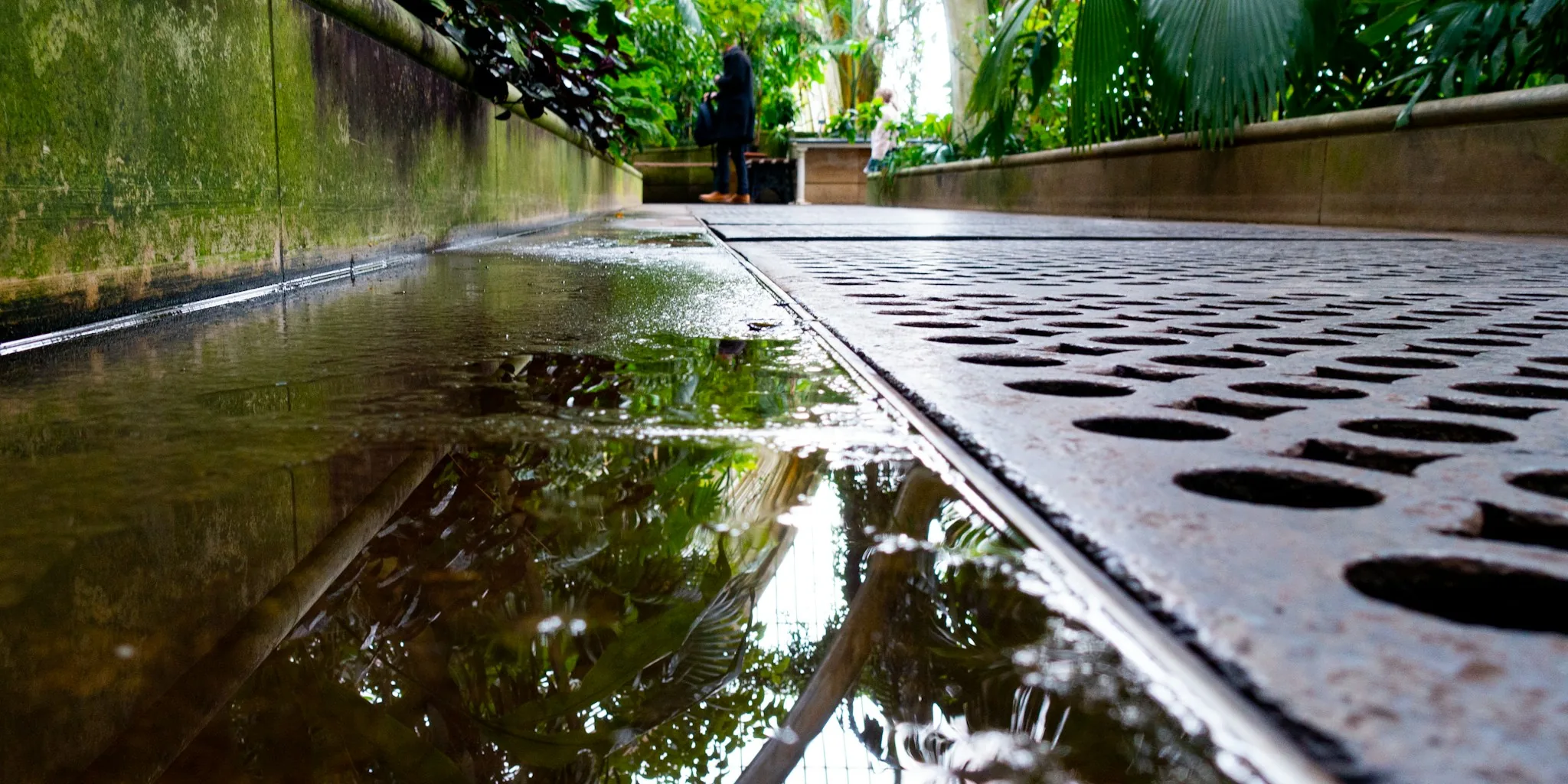

Water Smart Garden Design Is Now Trending What Shoppers Should Know
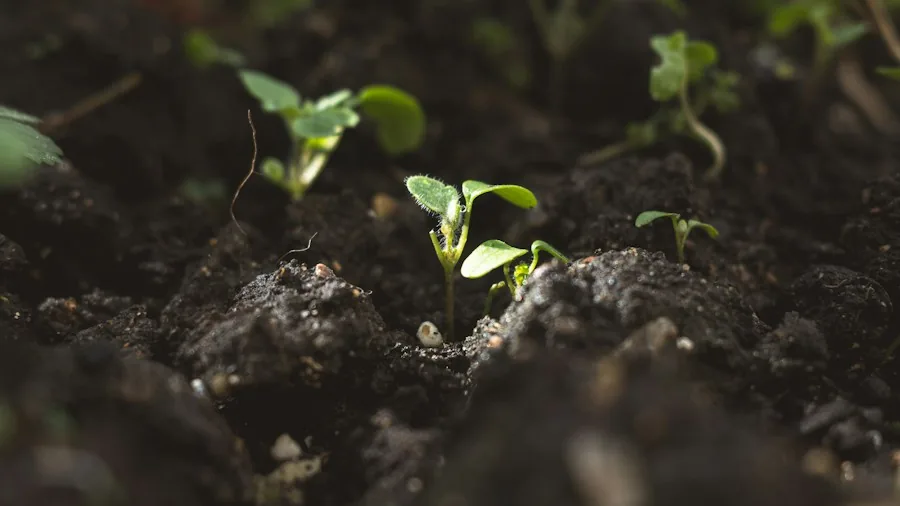
Landscape design is undergoing a significant shift in 2026, and it centers on a simple but powerful idea: treat water as a valuable resource to capture and use wisely, rather than something to push away as quickly as possible. For decades, homeowners have invested in gutters, drains, and sloped patios specifically designed to move water away from their yards. Today’s smartest gardeners are reversing that approach entirely, and it’s changing what products and plants savvy shoppers are choosing for their outdoor spaces.
This transformation is being driven by real environmental pressures. Water supply challenges and changing climate conditions are forcing landscape professionals to rethink how gardens are designed from the ground up. Instead of forcing plants unsuitable for local conditions, modern garden design starts with context: examining your climate, rainfall patterns, and sunlight exposure. The result is gardens that work with nature rather than against it, requiring far less water while remaining beautiful and resilient.
Soil Health Is Where Water Management Starts
The most important water-saving work in a garden happens beneath the surface. Healthy soil acts like a sponge, absorbing rainfall when it arrives and releasing moisture slowly to plant roots during dry periods. Soil rich in organic matter and microbial life dramatically improves both water absorption during storms and water retention during droughts.
To boost your soil’s water-holding capacity, mix compost or organic matter into planting beds, apply mulch to reduce evaporation, and convert struggling lawn patches into planted beds with ground cover. Better soil means healthier plants and fewer emergency watering sessions during the hot months. This foundation-first approach is what separates effective water-smart gardens from those that simply look nice on the surface.
Capture and Use Rainwater Where It Falls
Rain barrels, rain gardens, and bioswales are becoming standard features in residential landscaping. These systems capture water where it naturally falls, delivering it directly to plant roots rather than allowing it to run off into the street. A well designed rain garden does double duty: it manages stormwater and creates habitat for pollinators by incorporating native perennial plants. Even on sloped yards, shallow rain gardens utilize roof runoff to support beneficial insects while reducing flooding risk.
Let Water Soak Into the Ground
Hard surfaces like concrete patios prevent water from reaching the soil where plants need it. Switching to permeable materials like gravel paths or permeable pavers allows rain to filter into the ground. This small design change dramatically improves water movement through your garden while reducing soil temperature and erosion. For those maintaining their yards, quality garden hoses for watering become less essential when your landscape captures and retains rainfall effectively.
Select Plants Built for Dry Conditions
Plant selection is crucial for water smart gardening. Low water plants like Persian lily, Pennisetum, Sansevieria, Dracaena compacta, and bougainvillea are naturally adapted to heat and lower moisture conditions. These plants develop root systems far less dependent on constant watering, meaning your garden remains healthy even if you forget to water for several days. Choosing the right plants upfront eliminates the need for elaborate irrigation systems and constant maintenance.
Mulch Delivers Serious Long Term Benefits
Mulch may not be glamorous, but it’s one of the most effective water saving tools available. A layer of mulch increases soil water retention, suppresses weeds, and improves soil fertility over time. The upfront cost is minimal compared to the long term savings in water usage and maintenance time. When you’re selecting gardening gloves and other tools for yard work, quality mulch should be at the top of your shopping list.
What This Means for Your Wallet and Your Garden
Water smart garden design isn’t about eliminating water from the equation. It’s about slowing water down, capturing it, and putting it to work where plants actually need it. Gardens designed this way become more resilient, require less maintenance, and often end up more visually appealing than traditional landscapes. The water that used to run down your driveway now feeds your plants, reduces your water bill, and supports local wildlife.
The shift happening in 2026 reflects a simple truth: the best gardens are those that work with their environment rather than fighting against it. Whether you’re planning a complete landscape overhaul or making incremental improvements to your current yard, understanding these water smart principles will help you make smarter purchasing decisions and create a garden that thrives for years to come.





Write Your Review
No reviews yet. Be the first to share your experience!