
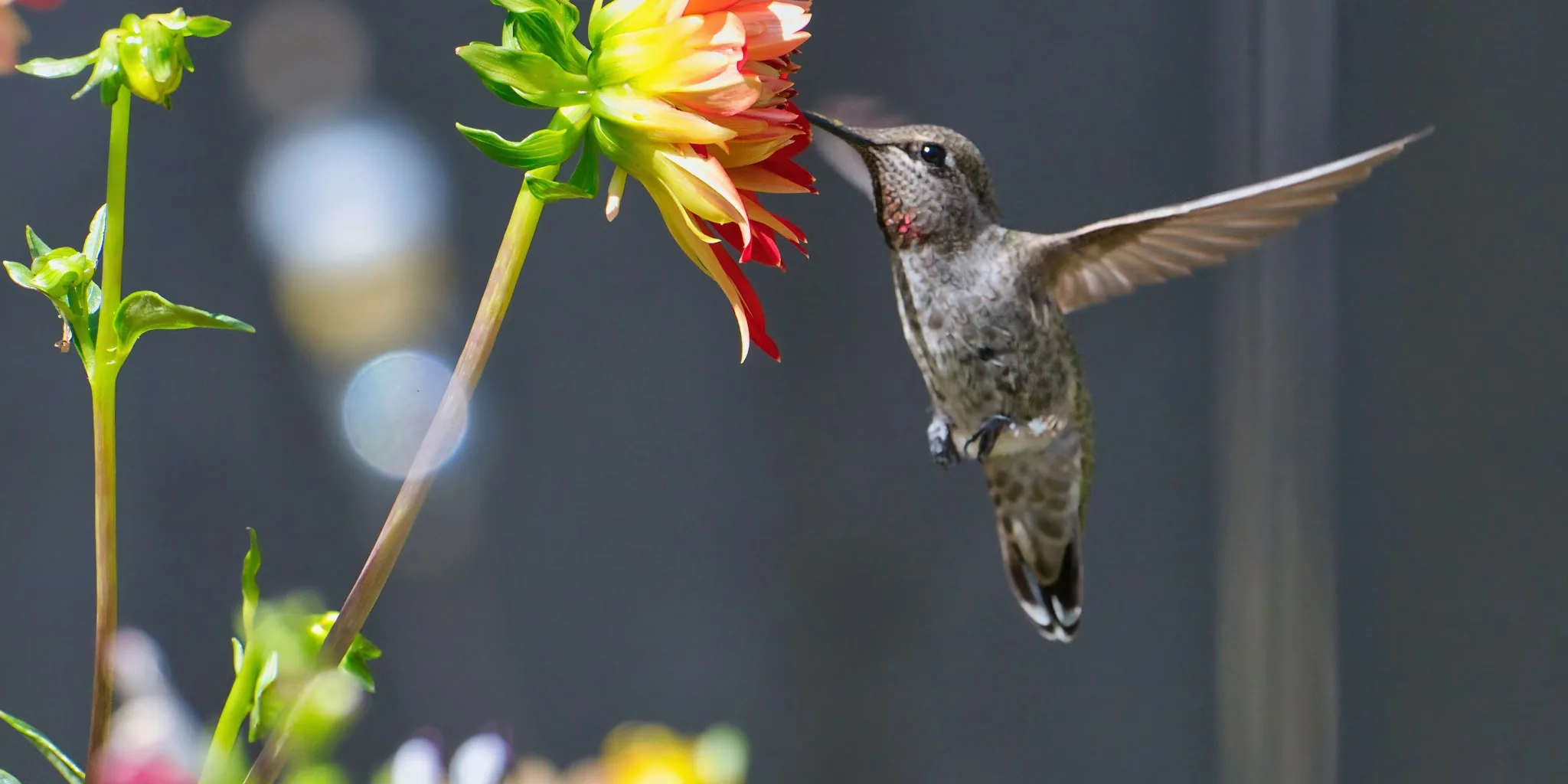

A new interactive migration map is changing how gardeners track one of nature’s most remarkable seasonal events. The map, powered by real-time data from thousands of backyard feeders across the United States, lets homeowners see exactly where hummingbirds are traveling during their epic journeys between breeding and wintering grounds. Instead of wondering if hummingbirds pass through your area, you can now check a live map and watch their movements unfold week by week.
What the Migration Map Reveals
The Hummingbird Migration Map compiles sighting information contributed by feeder owners nationwide, creating a visual record of where these tiny birds appear and when. Rather than treating migration as an abstract concept happening somewhere distant, the map shows individual stops across the country like a real-time travel itinerary. Each dot represents a backyard or location where a hummingbird has been spotted, gradually building a picture of the entire migration route as the season progresses.
Some hummingbird species travel thousands of miles between their summer breeding territories and winter homes, making every single stopover crucial for their survival. When you see those dots appearing on the map in your region, you’re witnessing actual birds refueling at actual gardens, making your backyard part of an incredible natural phenomenon.
Finding Out If Your Backyard Matters
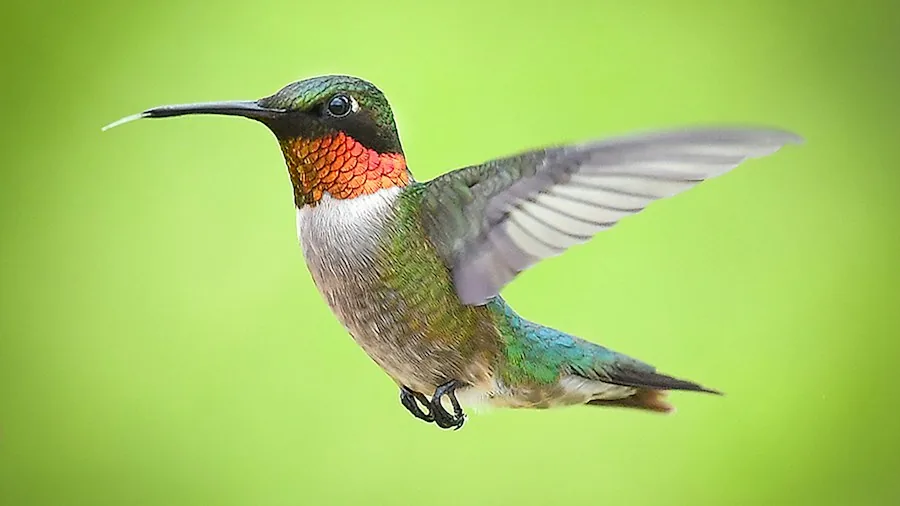
The most exciting question for gardeners is whether their property sits along an active migration corridor. By checking the map, you might discover that hummingbirds regularly pass through your neighborhood, or you might learn that you’re just outside the main travel route. Either way, knowing this information helps you prepare your garden to support these travelers if they do arrive.
The data comes entirely from ordinary homeowners like you who maintain feeders and report sightings. This crowdsourced approach transforms thousands of individual gardens into tiny windows onto one of nature’s greatest journeys. Your backyard observations, combined with thousands of others, create a comprehensive picture of hummingbird movements across the entire country.
Making Your Garden a Hummingbird Destination
Once you’ve checked the map and learned whether hummingbirds frequent your area, it’s time to make your garden as welcoming as possible. Clean, reliable feeders are essential, but natural nectar sources matter just as much. Planting flowers that hummingbirds love, such as honeysuckle varieties and other native wildflowers, gives migrating birds a more complete nutrition source than feeders alone.
Beyond feeders and flowers, hummingbirds need shelter and safe places to rest during their journey. Dense shrubs and trees provide crucial cover from predators and harsh weather. If you’re serious about supporting these travelers, consider adding raised beds with flowering plants throughout your garden to create diverse feeding opportunities at different heights.
Timing Your Feeder Maintenance
Many gardeners assume they should take down hummingbird feeders once summer ends, but migration timing is more complex than that. Some hummingbirds travel south later than others, meaning late-season migrants may still be passing through your area well into autumn. Leaving feeders available during these late migrations can be lifesaving for birds that need to refuel before continuing their journey.
Think of your feeder like a highway rest stop. A traveler several hundred miles into a long road trip would be grateful to find an open café providing refreshment and a quick break. Hummingbirds facing similar distances appreciate finding open feeders that help them maintain their energy levels during this physically demanding journey.
Exploring Beyond Feeders
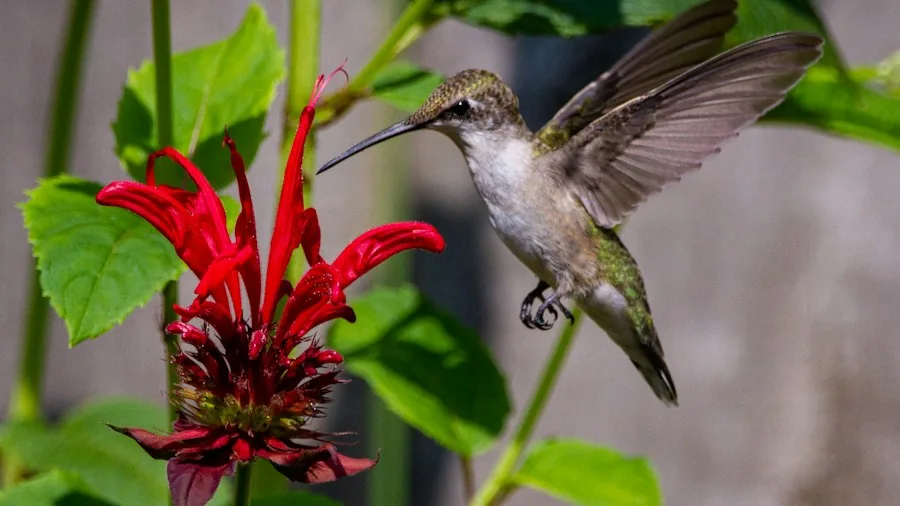
While feeders are convenient, they’re just one piece of the puzzle. Creating a truly hummingbird-friendly garden requires multiple elements working together. Selecting appropriate tools for garden maintenance makes it easier to keep your nectar-producing plants healthy and thriving. Well-maintained gardens with consistent blooms provide reliable food sources that complement feeder offerings.
Using the migration map as motivation, you might find yourself more committed to improving your garden’s value for wildlife. Whether you’re planting new nectar flowers, expanding your feeder offerings, or simply paying closer attention to visiting birds, the map transforms a abstract seasonal event into something happening in your own backyard right now.
The Bigger Picture
Understanding that your garden potentially sits on a hummingbird migration route adds meaning to everyday gardening tasks. Those small creatures zipping past your carefully maintained garden represent incredible endurance and instinct. By checking the migration map and preparing your garden to support passing birds, you’re participating in something much larger than yourself. You’re providing essential resources for birds traveling hundreds or even thousands of miles, one tiny stopover at a time.




Write Your Review
No reviews yet. Be the first to share your experience!