

Water management in your garden is more than just a personal concern; it directly affects your neighbors and their property. Understanding drainage laws and best practices can help you create a healthy garden while maintaining good relationships with those around you. Here are seven practical strategies to manage rainwater responsibly and prevent drainage disputes.
1. Know Your Local Drainage Laws
Before making any major changes to your landscape, familiarize yourself with your state and local drainage laws. Most jurisdictions follow a “reasonable use” doctrine that allows natural rainwater to flow downhill from higher properties to lower ones. However, intentionally altering water flow patterns can make you legally liable for damage. Check with your local building department or HOA to understand what modifications require permits and what restrictions apply to drainage systems.
2. Avoid Artificial Drainage Modifications
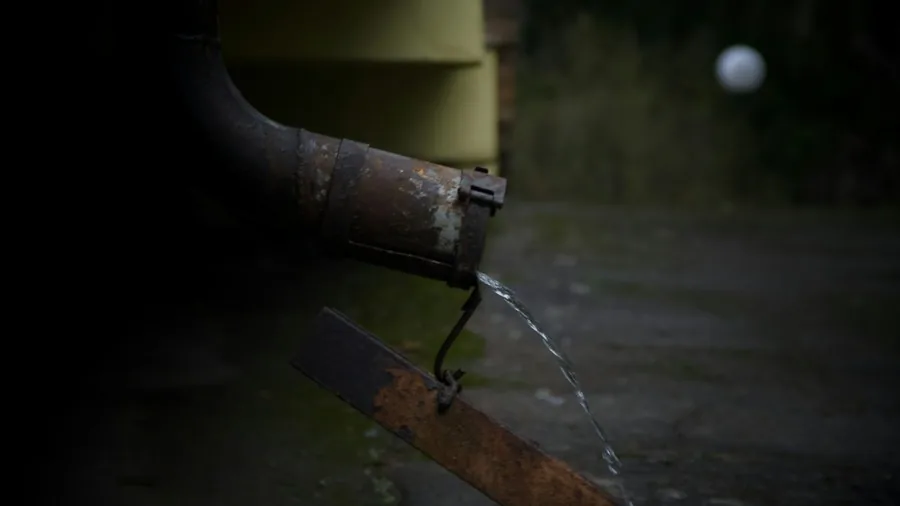
The key distinction in drainage law is between natural and artificial water flow. While you cannot prevent rain from falling on your neighbor’s property, you are responsible if you artificially redirect water onto their land. Installing downspouts, sump pump discharge lines, or French drains that channel water across property lines can violate local codes and make you liable for erosion, standing water, or foundation damage. Always direct drainage toward public streets or retention areas, never toward your neighbor’s property.
3. Install a Rain Garden
A rain garden is one of the most effective solutions for managing excess water on your property. Dig a shallow depression in a low-lying area of your yard and fill it with rich, organic soil. Plant native species with deep root systems that thrive in moist conditions. This setup naturally absorbs and filters rainwater, reducing runoff and protecting both your garden and your neighbor’s yard. Rain gardens are attractive landscape features that require minimal maintenance once established.
4. Create Dry Creek Beds for Heavy Runoff
If your property experiences significant water runoff during heavy rains, a dry creek bed offers an elegant solution. Create a shallow trench through your yard, line it with landscape fabric, and fill it with river rocks or gravel. This natural-looking feature channels water safely across your property while allowing it to infiltrate the soil gradually. You can position the dry creek bed to direct water toward planted areas or retention zones rather than toward your neighbor’s home.
5. Switch to Permeable Paving Materials
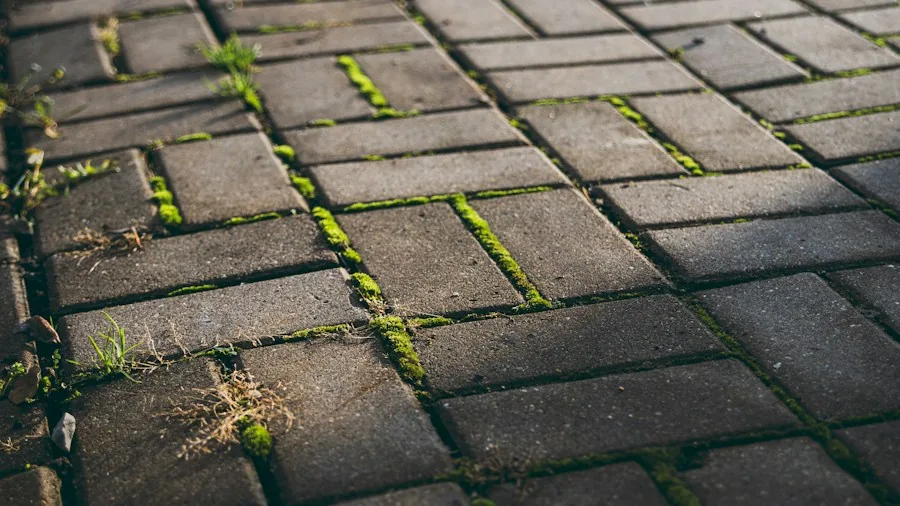
Standard concrete and asphalt pavers prevent rainwater from soaking into the soil, forcing more water to flow downhill. Replace hardscaping with permeable alternatives such as gravel, turf blocks, or porous flagstones for garden pathways and patios. These materials allow rain to seep directly into the earth, reducing surface runoff significantly. This change improves your garden irrigation efficiency while preventing water from accumulating on your neighbor’s property.
6. Invest in Rain Barrels for Water Conservation
Rain barrels are practical containers that capture runoff from your gutter system, reducing the volume of water that flows downhill. You can purchase complete rain barrel kits with spigots and hose hookups, or connect a large waterproof container directly to your downspout. A 50-gallon barrel can collect substantial amounts of water for irrigation. This approach solves two problems at once: it decreases drainage issues while providing free water for garden beds and landscaping throughout dry periods.
7. Maintain Natural Grade and Avoid Soil Alterations
Simple landscaping changes can disrupt natural water flow patterns. When installing new plants, grass, or hardscape features, avoid raising the grade of your property or creating barriers that redirect water. Any alteration that speeds up water flow or concentrates it in a new direction can create liability issues. If you need to make changes to your landscape, consult with a local landscape professional or building official to ensure your modifications maintain natural drainage patterns.
Taking Action
Managing garden drainage responsibly protects your investment, prevents legal complications, and maintains neighborly relationships. Whether you choose rain gardens, permeable pavers, or rain barrel systems, these solutions work together to manage water naturally and sustainably. Start by assessing your property’s current drainage patterns and identifying where excess water flows. Then select the solutions that best fit your landscape and climate. When neighbors work together to manage water responsibly, everyone’s gardens thrive, and your outdoor space becomes more enjoyable for the entire community.



Write Your Review
No reviews yet. Be the first to share your experience!