
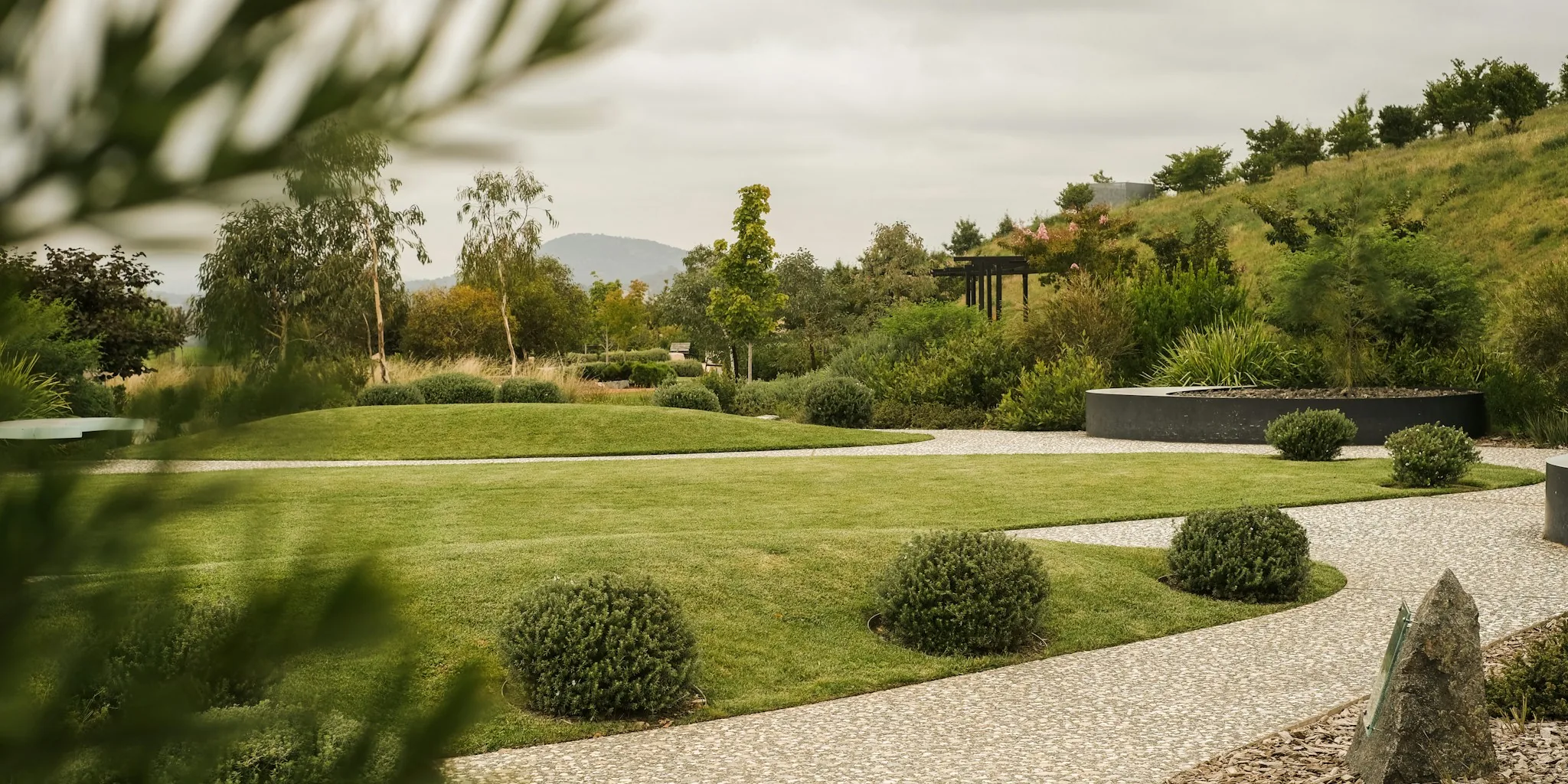

Starting a new garden from bare soil can feel overwhelming, but you don’t need to wait years for it to develop character and depth. Professional landscape designers use straightforward techniques to make fresh yards look settled and established in just a season or two. Here are nine proven strategies to transform your new garden into a mature, inviting outdoor space.
1. Invest in a Mature Tree for Instant Focal Interest
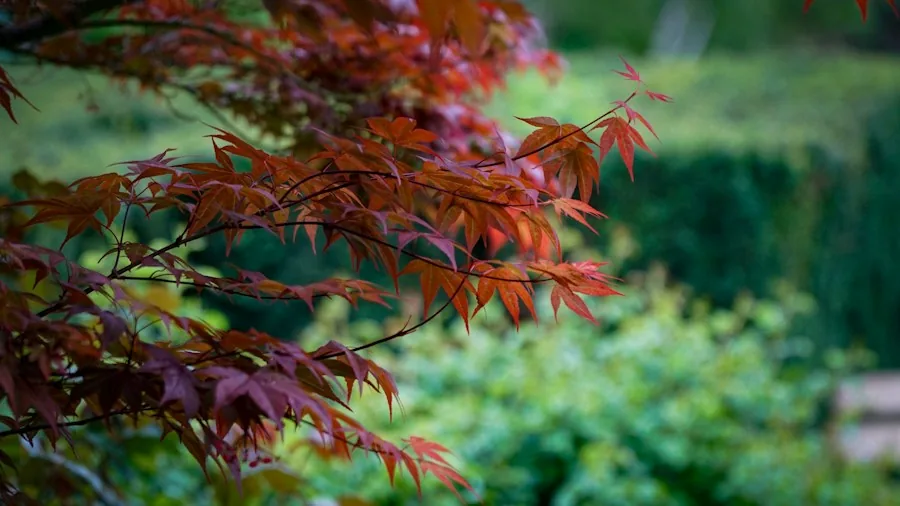
A well-positioned specimen tree becomes the anchor point around which everything else naturally develops. Choose a multi-stem variety like a Japanese maple, which offers sculptural branching that immediately draws attention away from less-developed areas. Buy the most mature tree your budget allows. Larger specimens instantly convey a sense that the garden has been established for years, while small saplings highlight the newness of the entire landscape. Look for varieties with interesting shapes, seasonal foliage changes, berries, or spring blossoms to ensure year-round visual appeal.
2. Add Fast-Growing Climbers to Soften Fences
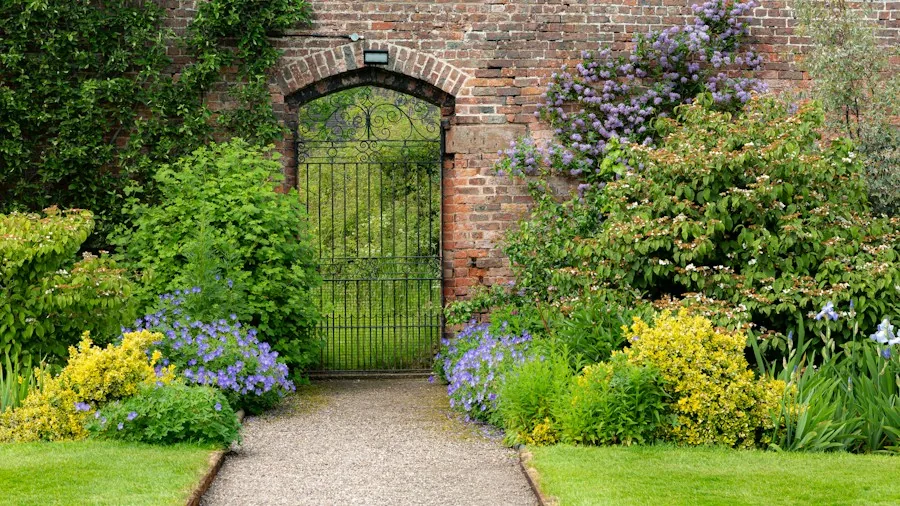
New fencing and walls look stark and bare, which immediately signals a freshly completed project. Combine trellis work with vigorous climbing plants to quickly soften these hard boundaries. Even partial coverage of a fence or wall breaks up the monotony and makes the space feel older and more integrated. If desired, painting fences a darker color can also reduce the visual weight of boundaries and make compact yards feel more spacious.
3. Layer Plants at Multiple Heights
New gardens often suffer from flat, uniform plantings where all species reach similar heights. Create depth by incorporating three vertical zones: low-growing groundcovers at the base, mid-height perennials in the middle, and tall structural plants as focal points. This layered approach immediately suggests an established garden while filling bare soil gaps. Allow foliage to sprawl slightly over paths and hardscaping to blur sharp edges and enhance that aged aesthetic. Be sure to improve soil quality before planting, especially in newbuild gardens where construction rubble and poor earth are common.
4. Add Height with Pergolas and Climbing Vines
Newly planted gardens often lack vertical dimension, leaving them feeling flat and underdeveloped. A pergola or gazebo planted with fast-growing clematis or similar climbers provides immediate height and structure. Clematis varieties are particularly effective, especially fall-flowering types that peak when other garden colors fade. Adding recessed lighting beneath overhead structures increases visual interest at night and contributes a polished, intentional appearance to the design.
5. Use Hedging for Screening and Density
Hedges dramatically increase foliage and provide shelter for wildlife while establishing a healthy ecosystem. Buy hedging plants in fall or in bulk to stretch your budget further while securing more mature specimens. An established hedge offers privacy, enclosure, and an attractive background that enhances plantings in front. Consider using hedges to divide larger spaces into distinct garden rooms, creating a more thoughtfully designed appearance. Move beyond traditional boxwood to explore options like compact hydrangeas, drought-tolerant Clusia, or fast-growing Salix varieties that add texture and color.
6. Enclose Seating Areas With Planters
Surrounding a seating zone with raised beds or contemporary planters creates an immersive sense of permanence common in mature gardens. Use repeat plantings of tall ornamental grasses or clipped evergreen shrubs for a modern, cost-effective approach that fills out quickly. Proper planter placement ensures good drainage while recessed lighting adds polish and highlights the plantings after dark.
7. Top Dress Bare Soil With Gravel
Large patches of exposed earth between newly planted perennials and shrubs are the biggest giveaway that a garden is brand new. Spread a layer of rounded pea gravel over these areas to create a finished appearance and intentional gaps. This technique also retains soil moisture and suppresses weeds, helping plants thrive faster. Alternatively, plant low-spreading groundcovers that gracefully give way to taller specimens as they mature. Combining both gravel and groundcover creates an impression of an aged border in just one season.
8. Soften Hard Landscaping Edges
Crisp, perfectly straight lines between new patios, lawns, and pathways signal recent construction. Blur these transitions by allowing low-growing perennials and ornamental grasses to flop over paths and drape across hardscaping. Plant creeping thyme or similar spreaders between flagstones and pavers so stems spill over edges, creating an aged, characterful appearance. Regular light pruning maintains this relaxed look without requiring intensive maintenance.
9. Sow Self-Seeding Flowers for Natural Detail
One defining feature of mature gardens is unexpected pockets of color created by self-seeded plants appearing in random spots. Replicate this effect by sowing seeds of reliable self-seeders like California poppies, which thrive in poor soil and need minimal care. Sow these seeds casually rather than in rigid patterns to achieve a natural appearance. Many self-seeders perform best when sown in fall, allowing them to flower early in spring and establish themselves quickly.
These landscape design techniques work together to create a garden that feels settled, thoughtful, and established. Rather than waiting years for your space to mature, implementing even a few of these strategies during the first growing season transforms a bare patch into an inviting outdoor room with depth, character, and visual interest.


Write Your Review
No reviews yet. Be the first to share your experience!