

Why Grip Strength Matters More Than You Think
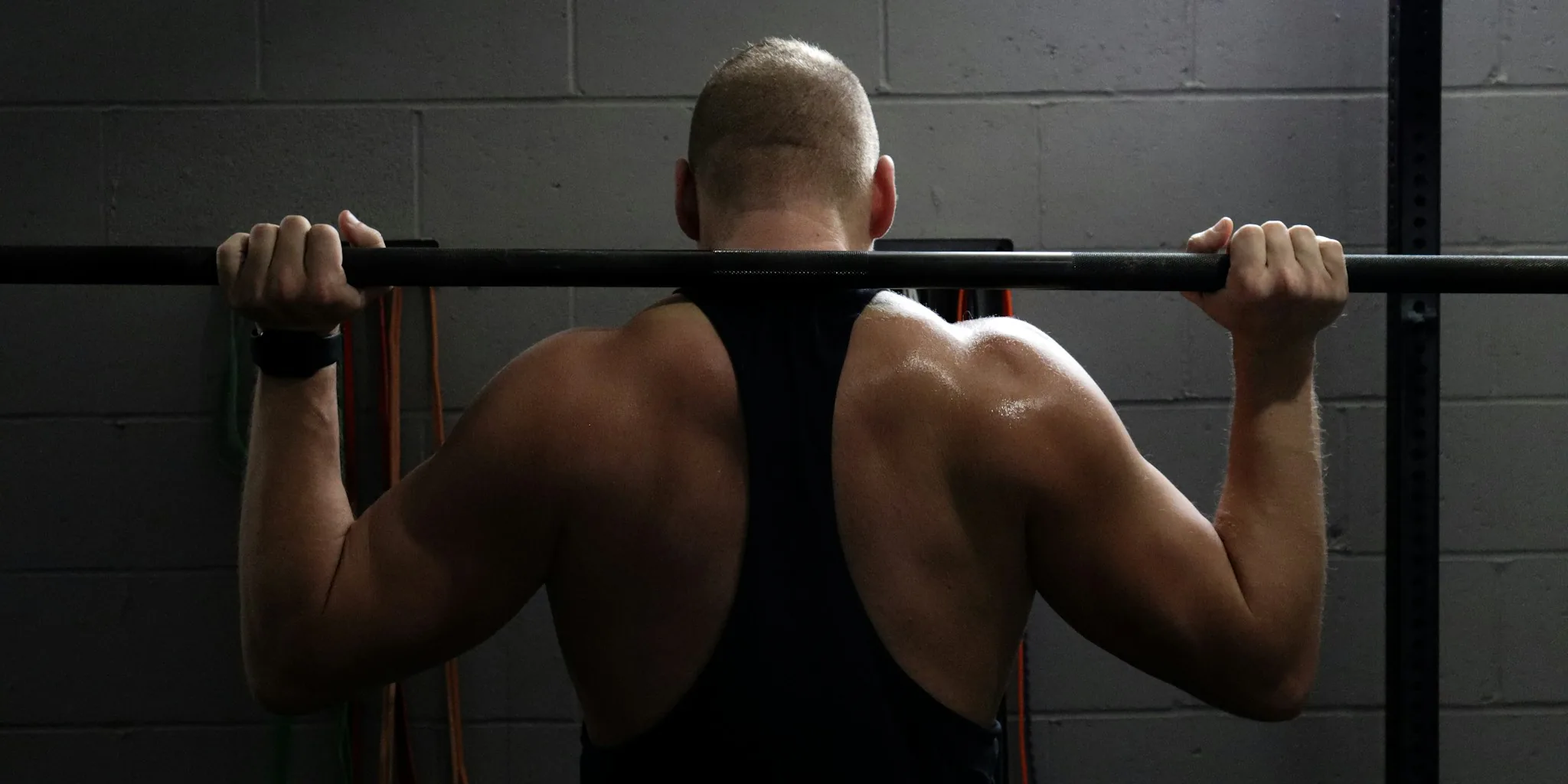
When most people think about building strength in the gym, they focus on their legs, chest, or arms. But one often overlooked element can make or break your fitness progress: your grip. A strong grip isn’t just about looking impressive when you shake someone’s hand. Research has shown that hand strength correlates with overall cardiovascular health and longevity, making it a legitimate wellness marker worth developing. From a practical standpoint, your grip is often the limiting factor that prevents you from lifting heavier weights during deadlifts, rows, and other pulling movements. When your forearms fatigue before your larger muscle groups, you’re leaving gains on the table and missing opportunities to build the physique you want.
1. Crush the Bar Every Single Rep
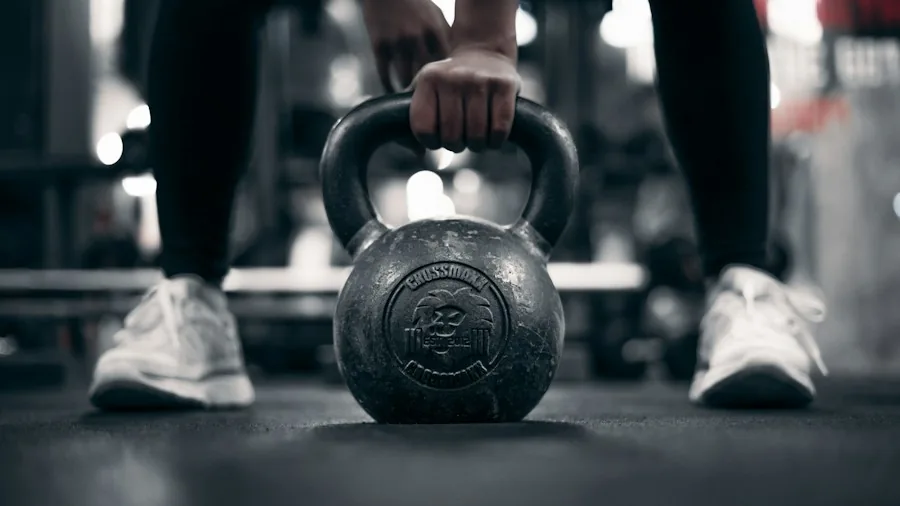
One of the simplest yet most effective strategies requires no extra equipment at all. Every time you pick up a weight, regardless of the exercise, consciously squeeze the bar or dumbbell as hard as you can. Think of it as actively crushing the bar rather than passively holding it. This immediate tension cue recruits more muscle fibers throughout your forearms and hands, building strength with every set. On single-arm exercises like dumbbell rows, amplify this effect by squeezing your non-working hand into a fist at the same time. This creates additional neural drive and keeps your grip development consistent even when you’re training one side of your body.
2. Upgrade to Thicker Handles
Standard barbells and dumbbells are designed for general use, but to seriously challenge your grip, you need thicker handles. Specialty thick bars, roughly twice the diameter of conventional equipment, force your hand muscles to work significantly harder to maintain control. If you don’t have access to fat bars at your gym, grab a towel and wrap it around a regular bar during your deadlifts and pulling exercises. This simple hack transforms an ordinary barbell into a grip-building tool. The larger diameter means lighter loads feel heavier, so even moderate weights become challenging for your forearms while your larger muscle groups continue to progress.
3. Add Hanging Holds to Your Routine
Incorporate a weekly hanging challenge into your workout schedule for dramatic grip improvements. After completing a set of pullups, stay on the bar and simply hang on with a tight grip for 30 seconds. Then immediately perform another pullup without letting go. Repeat this cycle until your grip fails or you can’t complete another rep. A single session of 10 total pullups with integrated hangs equals over five minutes of accumulated bar time, proving you’re developing real, functional grip strength. This exercise is deceptively simple but incredibly effective.
4. Train Grip With Varied Implements
Your hands are controlled by more than 30 muscles working in coordination, so expose them to different types of challenges. Beyond standard bars and dumbbells, incorporate towel pullups, thick ropes, and PVC pipes into your training. Each implement demands slightly different muscle recruitment patterns and forces your grip to adapt. Aim for at least three sets per week of these variation exercises. This approach prevents adaptation plateaus and ensures comprehensive grip development across all forearm muscles.
5. Master the Towel Inverted Row Hold
This exercise combines core stability with serious grip demands. Loop a towel around a pullup bar, then position yourself underneath with your legs extended and feet elevated on a bench. Grip the towel tightly with both hands and pull yourself up until your body forms a straight line parallel to the ground. Hold this position for 30 seconds while maintaining tension through your core and glutes. Complete three sets of 30-second holds. When selecting workout gear that supports your training, comfort and freedom of movement matter, but your grip work remains the foundation.
6. Progress With Bottoms-Up Kettlebell Presses
This advanced variation builds grip strength while challenging shoulder stability. Assume a half-kneeling position holding a kettlebell by its handle with the bell inverted, flat side up, at shoulder height. The instability of the upside-down position forces your grip to work overtime preventing the weight from tipping. Press the kettlebell overhead while maintaining a straight wrist and keeping your entire body tensioned. Lower under control and repeat for three sets of eight to ten reps per side. This exercise demands tremendous focus and grip control throughout each repetition.
6. The Farmer’s Carry for Functional Strength
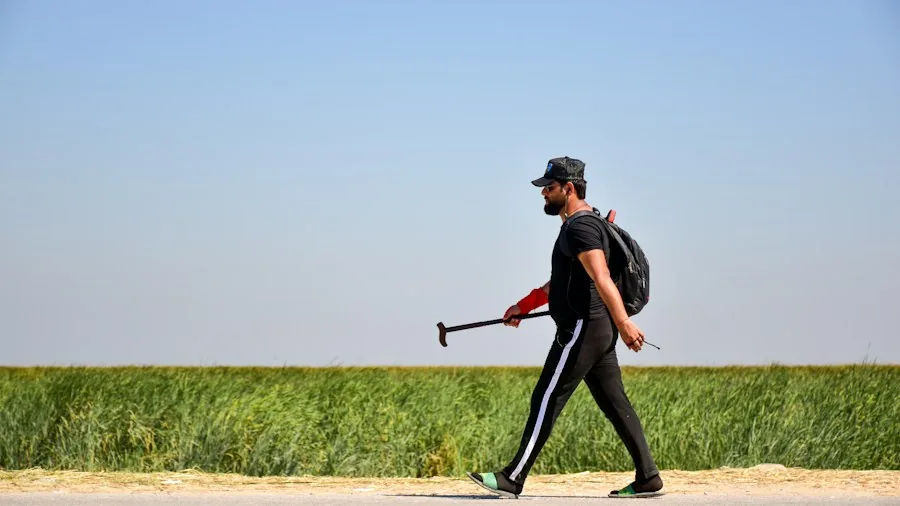
Sometimes the most effective exercises are the most straightforward. The farmer’s carry involves simply walking while holding heavy weights in both hands. Grasp dumbbells, kettlebells, or specialized farmer’s carry handles with maximum tension throughout your hands and forearms. Keep your shoulders packed, core engaged, and gaze forward with a neutral neck position. Walk for 40 seconds, rest for 20 seconds, and repeat for four rounds. This isometric hold builds grip endurance and mental toughness while improving your posture and core stability. If you’re investing in quality workout shoes, apply the same commitment to grip training for well-rounded fitness development.
7. Make Grip Training Part of Every Workout
The most important tip is consistency. Don’t treat grip development as an afterthought or occasional accessory. Integrate these techniques into your regular training schedule by squeezing harder on all compound lifts, using varied implements weekly, and dedicating at least one specialized grip session per week. Remember that mind-body workouts build strength through intention and focus, principles that apply equally to grip development. Building a truly strong physique requires attention to every component, and your grip is no exception. Start implementing these strategies today, and you’ll unlock new performance levels across all your lifts.





Write Your Review
No reviews yet. Be the first to share your experience!