


When you walk into a dealership or scroll through online listings looking for your next vehicle, the information you rely on to make a purchase often comes from professional automotive journalists and editors. These are the people who spend their careers testing vehicles, comparing specifications, and publishing detailed buyer guides that influence millions of shoppers every year. Understanding who these experts are and how they approach their work can help you make more informed car purchasing decisions.
From Childhood Passion to Professional Expertise
The path to becoming a car review editor often begins with genuine enthusiasm for automobiles. Many automotive professionals grew up fascinated by vehicles, whether through family influence, access to racing events, or simply devouring every automotive publication available. This early passion typically translates into a career where professionals spend decades mastering the nuances of vehicle design, performance, and value. For buyers shopping for a car today, this means the reviewers evaluating new models have invested years, sometimes decades, into understanding what makes a vehicle worth purchasing.
Real-world experience matters significantly in this field. Professionals who have worked in automotive manufacturing, fleet management, or vehicle development bring insider knowledge to their reviews. This hands-on background helps editors identify which features actually deliver value and which are merely marketing gimmicks. When you read a comparison of two vehicles in a buyer guide, you’re getting input from someone who understands not just how cars perform on a test track, but how they’re engineered and why certain design choices were made.
What Editors Actually Do When Reviewing Cars
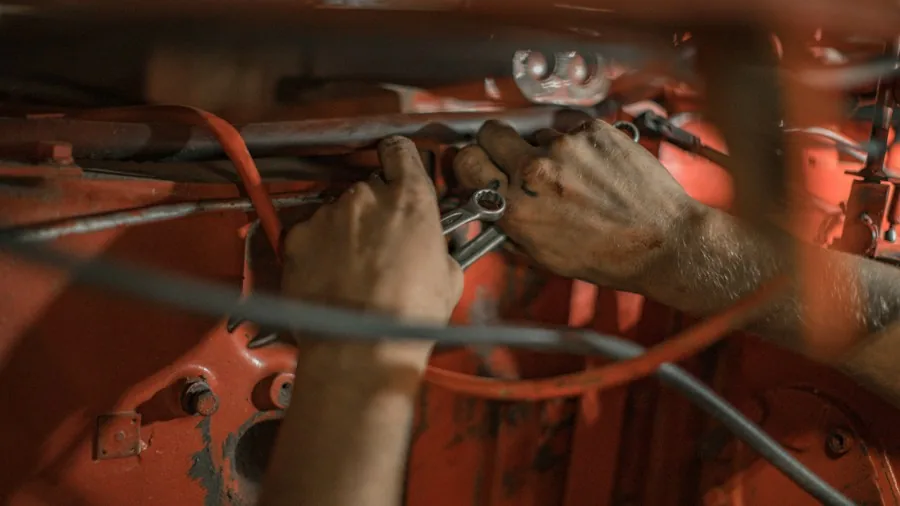
Modern car review editors juggle multiple responsibilities that directly impact the quality of information available to shoppers. They test new models, write detailed specifications, manage production of comprehensive buyer guides, and stay constantly updated on the latest automotive developments. This ongoing work means the information you find in a buying guide is current and reflects the actual vehicles available in today’s market.
The editing process itself is rigorous. Professional editors standardize how vehicles are described, ensure all technical data is accurate, and organize information in ways that make comparison shopping easier. They also manage relationships with manufacturers and coordinate testing programs. When you use an automotive resource for your research, you’re benefiting from editors who have established systems to verify claims and provide reliable data.
Why Editorial Experience Translates to Better Buyer Information
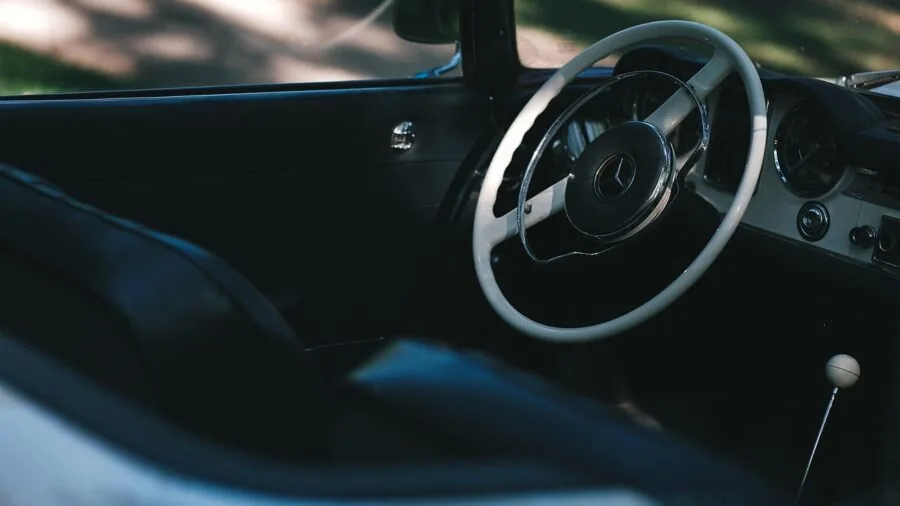
Editors who have worked across different roles in the automotive industry bring well-rounded perspectives to their job. Someone who has sold vehicles at a dealership understands what questions buyers actually ask. Someone who has coordinated vehicle fleets knows how different models perform over time and in real-world conditions. Someone who has worked in product development at a major automaker understands why certain vehicles are engineered the way they are. This combination of experiences means professional editors can provide context that general reviews might miss.
The print buyer guides that appear in dealerships and retail locations represent significant editorial work. These guides must balance technical accuracy with accessibility for average shoppers, include specifications that matter for real-world ownership, and help readers understand trade-offs between different vehicle options. An editor managing this type of publication must coordinate with writers, fact-checkers, and designers while staying on top of dozens of new models and their updates.
How This Affects Your Car Shopping Today
When you’re shopping for a car, knowing that professional editors behind major automotive resources have extensive backgrounds and ongoing training helps you trust the information you’re reviewing. These professionals have usually been in the industry long enough to recognize patterns, understand market trends, and identify which new vehicles represent genuine improvements over previous generations.
Many automotive editors also stay engaged with racing and performance driving, which might seem like a side hobby but actually informs how they evaluate everyday vehicles. Understanding performance characteristics helps them assess safety features, handling, and real-world driving dynamics in ways that matter to typical shoppers.
For your next car purchase, take advantage of detailed buyer guides and specifications compiled by experienced editors. Look for reviews from professionals who clearly have spent time with vehicles and can explain not just what features a car has, but why those features matter. When you use specialized automotive resources alongside general buyer guides, you’re combining different types of expertise to make a well-informed decision. The editors behind these resources have invested their careers into helping shoppers like you understand which cars offer the best value for your needs.

Write Your Review
No reviews yet. Be the first to share your experience!