
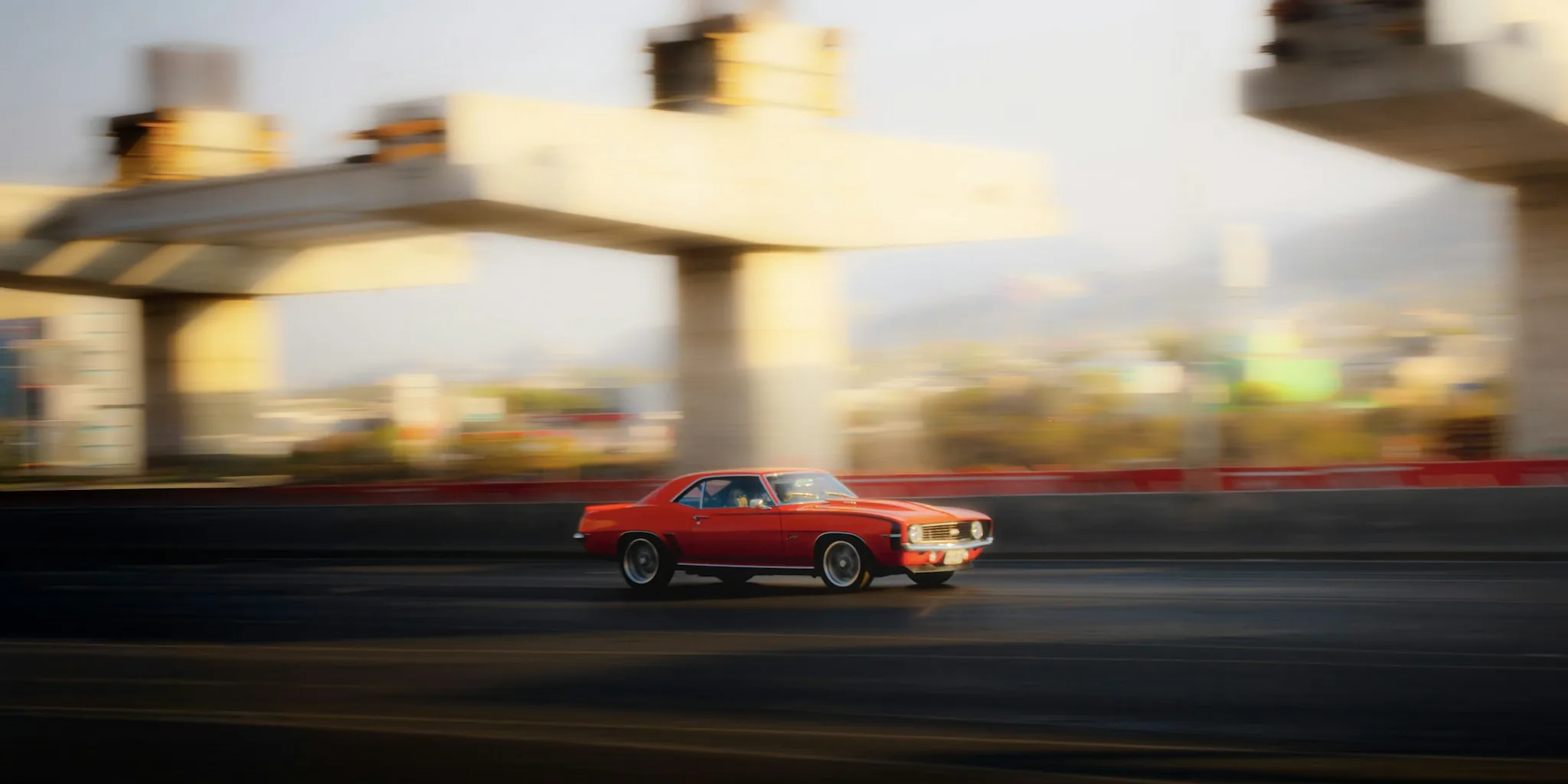

A new player in the restomod market has turned heads with an audacious claim: build a classic muscle car from the ground up using modern engineering and performance standards. Revology, a Florida-based specialist founded by former Ford engineer Tom Scarpello, has done exactly that with its interpretation of the 1970 Mustang Boss 302, a legendary nameplate that originally could reach 60 mph in about 6.5 seconds. The company’s version shatters that benchmark, accelerating to 60 in just 3.9 seconds and covering the quarter-mile in 12.2 seconds at 118 mph, putting it in the realm of contemporary sports cars.
What Makes This Restomod Different
Unlike traditional restorations that preserve original vehicles, Revology starts completely from scratch. Every body panel is newly manufactured to vintage specifications, and the chassis and mechanicals are entirely modern. At the heart sits Ford’s current-generation Coyote V-8 engine, a 5.0-liter unit producing 460 horsepower and 420 pound-feet of torque. A 10-speed automatic transmission comes standard, but buyers can opt for a Tremec T-56 six-speed manual for an additional $4,500, which provides the visceral engagement classic muscle car enthusiasts crave.
The modern architecture extends throughout the vehicle. A three-link rear suspension with a Panhard rod replaces the original leaf springs, while coil-over dampers improve ride quality without sacrificing handling. The cast-aluminum cradle from Detroit Speed bolts to stock frame rails, anchoring control arms and a rack-and-pinion steering system. Carbon-fiber driveshafts transfer power to the rear wheels, and Michelin Pilot Sport all-season tires deliver surprising grip when properly warmed up. On the skidpad, the restomod achieved 0.92 g of lateral grip, impressively keeping with the original 302’s track-day heritage.
Interior and Exterior Appeal
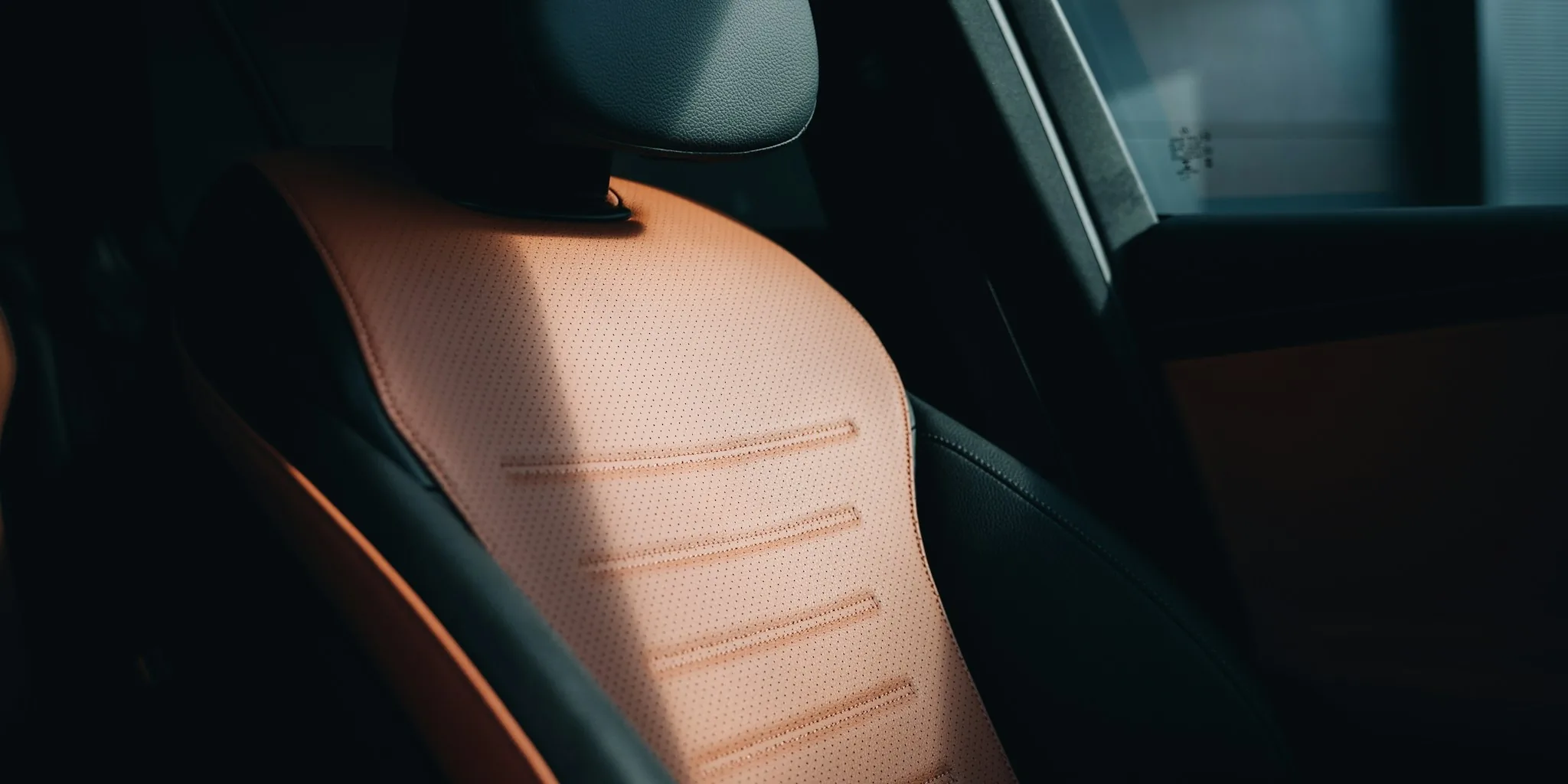
From the outside, the restomod faithfully reproduces the 1970 Boss 302 aesthetic down to minute details. The body panels are virtually indistinguishable from original sheet metal, yet they’re brand new. Inside, Revology blends vintage and contemporary elements thoughtfully. Period-correct front seats lack headrests but deliver comfort comparable to modern vehicles. The dash features partially digital gauges nested in walnut veneer, and climate controls use vintage-style sliders. Behind a flip-up panel sits a Pioneer infotainment system compatible with both Android Auto and Apple CarPlay.
Sound quality matters in a vehicle like this, and the Coyote V-8 delivers in spades. At idle, it produces a deep 67 decibels. During full-throttle acceleration, the sound swells to an intense 99 decibels, ensuring everyone within earshot knows a serious machine just passed by. Cruising at highway speeds registers around 81 decibels, which provides character without becoming fatiguing.
Performance and Handling Reality
The manual transmission’s tall gearing means that hitting redline in second gear translates to approximately 85 mph, and third gear maxes out near 120 mph on the speedometer. This setup encourages restraint on public roads while rewarding more aggressive driving on private tracks. The braking system, sourced from Willow, stops the car from 70 to zero in 175 feet, matching modern performance standards despite lacking anti-lock braking assistance. The clutch takeup is smooth and easy to modulate, and the throttle responds precisely to pedal inputs.
Suspension geometry keeps the 3,845-pound steel-bodied car planted through corners. The ride quality balances comfort with control, proving supple enough for highway cruising yet firm enough to minimize body roll during spirited driving. Steering provides noticeable heft when stationary that progressively lightens as speed increases, preserving road feedback without demanding excessive effort.
When selecting protective gear for any classic or restomod investment, quality car covers provide essential protection from environmental damage, preserving your paint and interior from UV exposure and debris.
Practical Considerations for Buyers
The Revology Mustang Boss 302 carries a base price of $375,000, with the test vehicle reaching $401,450 when optioned with the manual transmission and additional upgrades. This positions it above many contemporary supercars, though the hand-built nature and bespoke engineering justify the investment for devoted enthusiasts.
Quality control presents minor challenges, typical of small-batch manufacturing. The test vehicle experienced a door window that failed to fully seal, producing whistling above 40 mph. Such issues are likely corrected by the factory on customer vehicles, yet buyers should expect the occasional quirk inherent to hand-assembled production.
Fuel economy registers approximately 14 miles per gallon in real-world driving, unsurprising given the performance capabilities and spirited driving encouraged by such a machine. maintaining a quality battery ensures reliable starting power in any climate condition, an important consideration for vehicles that demand peak performance.
The Bottom Line
Revology has successfully answered the question many enthusiasts ask themselves: what does it cost to merge vintage muscle car styling with modern performance? The answer, roughly $375,000 to $400,000, represents a substantial investment, yet the capability delivered justifies consideration for collectors seeking something genuinely different. The restomod accelerates faster than the original could dream, handles with precision the 1970 engineers never imagined possible, and stops more effectively than vehicles manufactured fifty years later. The visceral experience remains rooted in classic muscle car DNA, yet the technological foundation belongs unambiguously to the present day.


Write Your Review
No reviews yet. Be the first to share your experience!