


A recent clinical study published in the Journal of the International Society of Sports Nutrition has shaken up conventional wisdom about creatine supplementation. Researchers found that middle-aged and older adults who took creatine monohydrate without following a structured workout program still experienced increases in lean muscle mass, strength, and muscular endurance. For shoppers evaluating fitness supplements, this research offers fresh perspective on whether creatine supplements could support their health goals.
What the Study Revealed
Scientists recruited 64 adults between ages 45 and 65 and divided them into four groups. Two groups received 10 grams of daily creatine monohydrate, while the other two received a placebo. Participants had the freedom to join or skip an optional training program that included supervised resistance and aerobic training three times weekly, plus a structured meal plan.
The results surprised many experts. People who took creatine alone, without following the exercise and diet program, still saw measurable gains in lean tissue mass, strength, and endurance. Additionally, these participants showed improvements in cognitive function and memory. The group combining creatine with the full exercise and diet intervention saw even greater benefits, including reductions in body fat percentage.
Researchers emphasized their findings remain exploratory at this stage, but the data suggests that creatine may benefit users beyond those committed to intense gym sessions. This opens new questions about how this supplement functions in the body and who might benefit most.
Understanding How Creatine Works
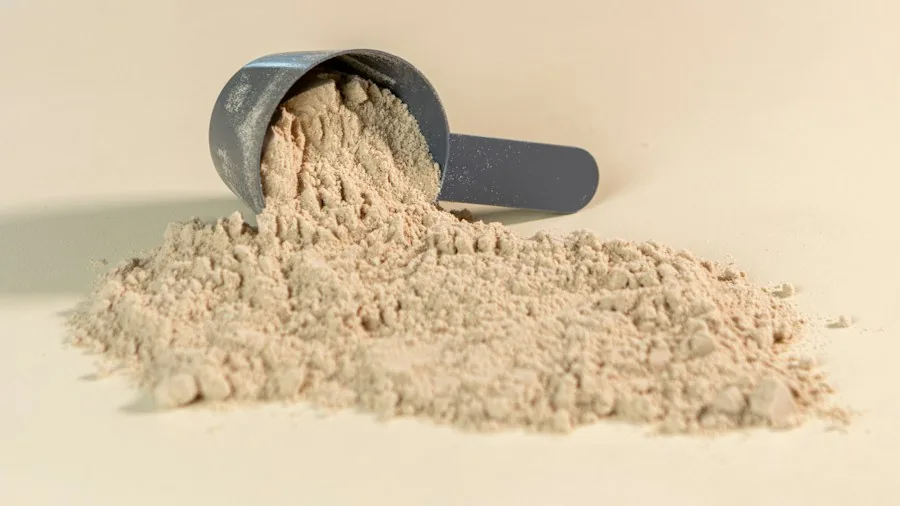
Creatine’s mechanism involves several biological processes. The supplement is highly hydrating, meaning it draws water into muscle cells. Once inside, creatine expands your phosphate stores, which function as a natural energy system within muscles. This increased hydration supports protein production and usage throughout the body.
The cognitive benefits likely stem from creatine’s ability to boost brain energy. When your brain receives more energy supply, mental clarity and performance both improve. This trickle-down effect suggests that simply having more cellular energy throughout your body creates conditions favoring muscle development and mental function, even during rest days.
Some researchers also theorize that increased daily energy and cellular hydration from creatine supplementation naturally supports muscle preservation and minor gains during routine activities. When you add structured workout training on top of that baseline benefit, the improvements compound significantly.
What This Means for Your Workout Plan
Sports medicine experts caution against viewing creatine as a replacement for exercise. Dr. Shane Davis, a sports medicine physician, emphasizes that while these findings are interesting, the supplement works best as an addition to regular physical activity. Those who combined creatine with consistent workout routines showed substantially more improvement than those taking the supplement alone.
If you plan to pursue cognitive benefits specifically, dosing matters considerably. While many users consume two to three grams daily, achieving measurable cognitive improvements may require closer to 10 grams per day, split between morning and evening doses. This higher dosage represents a significant difference from typical muscle-building protocols.
Before purchasing creatine supplements, consultation with a healthcare provider makes sense. Individual tolerance varies, and some users experience gastrointestinal discomfort or bloating. A professional can help you determine appropriate dosing for your specific goals and health profile.
Choosing the Right Gear to Support Your Goals

Whether or not you decide to add creatine to your routine, investing in quality workout equipment enhances consistency and results. Proper workout shorts for men that move with your body reduce distractions during sessions. Similarly, supportive workout shoes matching your activity type protect your feet and joints during strength and cardio training.
Key Takeaways for Shoppers
The emerging research on creatine monohydrate suggests this supplement deserves consideration even if you aren’t an elite athlete. Middle-aged and older adults may find particular value in creatine’s potential to support muscle preservation and cognitive health.
However, the greatest benefits come from combining supplementation with regular exercise and balanced nutrition. View creatine as part of a comprehensive approach to fitness, not as a standalone solution. Talk to your doctor about whether creatine makes sense for your individual circumstances, preferred dosage, and any potential interactions with existing medications or health conditions.






Write Your Review
No reviews yet. Be the first to share your experience!