

Volvo Takes On Luxury With a Practical Approach
In 1976, Volvo made a bold claim: its new 264 sedan could compete with established luxury automakers like BMW and Cadillac. The price certainly suggested it, with the test model costing $10,409.25. But for shoppers considering a premium car purchase, understanding what the 264 actually delivers versus what it promises is crucial to making the right decision.
The Premium Price Tag and What It Buys
The 264GL commanded a premium price comparable to Cadillac models of the era. However, buyers shopping for that kind of money need to understand the fundamental difference in philosophy. Cadillac buyers typically sought maximum size, presence, and silence, rewarding themselves with acres of metal and effortless cruising. The Volvo, by contrast, was a tall but narrow compact sedan that prioritized function over prestige. For shoppers accustomed to flashy badging and decorative trim, the 264GL offered neither, which meant its appeal would be limited to those who valued practicality over status symbols.
Interior Design Focused on Real-World Usability
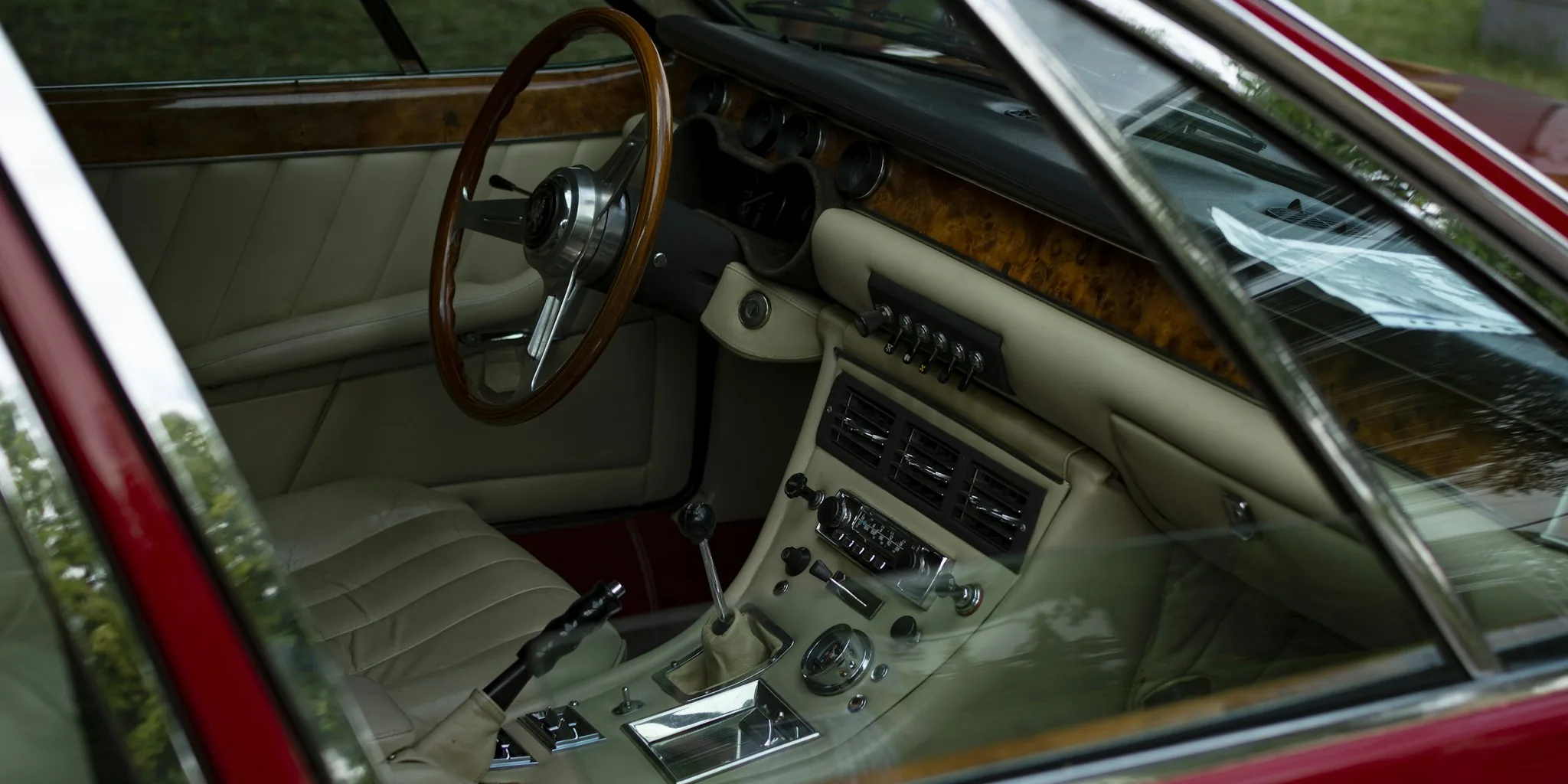
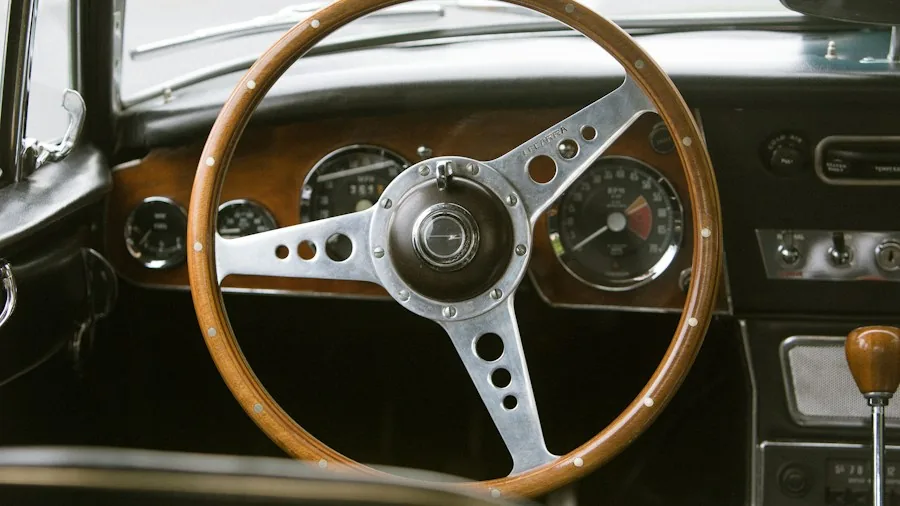
The car’s interior revealed Volvo’s commitment to utility above all else. The upright body and tall doors made entry and exit effortless, while the high-mounted seats provided visibility that exceeded almost every contemporary competitor. The cabin was narrow at 67.2 inches wide, yet three passengers could sit comfortably in back with adequate headroom and legroom, a significant advantage for family travelers. The dashboard was pure function: matte-black instruments with no decorative wood or bright metal, aircraft-style controls within easy reach, and adjustable air vents for genuine climate control.
Front seats offered both leather and velour options, but what mattered was the engineering underneath. Firm padding provided support without excessive contouring, and the driver’s seat featured electric heating and height adjustment. Volvo even anticipated personal seating preferences by including adjustable lumbar support. For long-distance drivers and daily commuters alike, this thoughtful design meant fewer aches and better fatigue management during extended driving sessions.
Engine Technology and Transmission Choices
The 264 debuted a 2.7-liter V-6 engine developed collaboratively by Renault, Peugeot, and Volvo. Despite using an unconventional 90-degree angle that created some low-speed vibration, the aluminum-block design kept weight down and delivered performance comparable to domestic compacts with small V-8 engines. Buyers could choose between a four-speed manual, manual with overdrive, or automatic transmission.
The overdrive option proved particularly clever for a car at this price point. A simple switch on the shift knob engaged a fifth-gear ratio that reduced engine revolutions by 20 percent without requiring clutch movement or throttle lift. For shoppers who wanted occasional convenience without the complexity of a full five-speed gearbox, it struck an intelligent balance.
Handling and Safety Considerations
The revised suspension using MacPherson struts represented a significant improvement over previous Volvo designs. The 264 delivered responsive handling that wasn’t overly sporting but definitely encouraged driver participation. On rough roads, the shock absorber damping kept ride motions controlled, and increased roll stiffness eliminated the tippy sensation that characterized older models.
However, brake performance disappointed test results. Stopping from 70 mph required 209 feet, with rear wheels locking up prematurely. The four-wheel disc brake system was elaborate and well-engineered, but appeared biased toward heavy loads or slippery conditions rather than optimized for everyday driving. This trade-off meant shoppers needed to understand that even high-priced Volvo brakes required careful evaluation before purchase.
Fuel Economy and Real-World Performance

Observed fuel economy of 17 mpg city and 22 mpg highway was respectable for the era and engine size. With a top speed around 103 mph and 0-60 acceleration in 10.2 seconds, performance was adequate rather than thrilling. Shoppers seeking dynamic acceleration would find more excitement elsewhere, but those valuing steady, reliable transportation would find the 264 delivered what it promised.
What the 264 Meant for Buyers Then and Now
The 264GL represented a rare philosophy in the automotive market: a high-priced vehicle that rejected pretense entirely. Unlike competitors focused on visual impact and perceived luxury, Volvo built a car where every element served function. The seating was comfortable because the engineering was sound, not because of flashy styling. The cabin was quiet because of sound engineering, not because of size.
For today’s shoppers researching classic car purchases or studying automotive history, the 264GL demonstrates how engineering integrity and thoughtful design can create value independent of brand prestige. While car phone mounts and modern conveniences didn’t exist in 1976, the 264’s focus on driver comfort and visibility principles remain relevant. Similarly, understanding how quality car chargers enhance daily driving reminds us that practical technology has always mattered more than decoration.
The 264 wasn’t for everyone, and Volvo never pretended it was. It appealed to discerning drivers who measured value by reliability, comfort, and engineering excellence rather than flash. That selective approach to the market positioned Volvo uniquely and explained why those who preferred this brand would find the 264 precisely what they wanted.






Write Your Review
No reviews yet. Be the first to share your experience!