
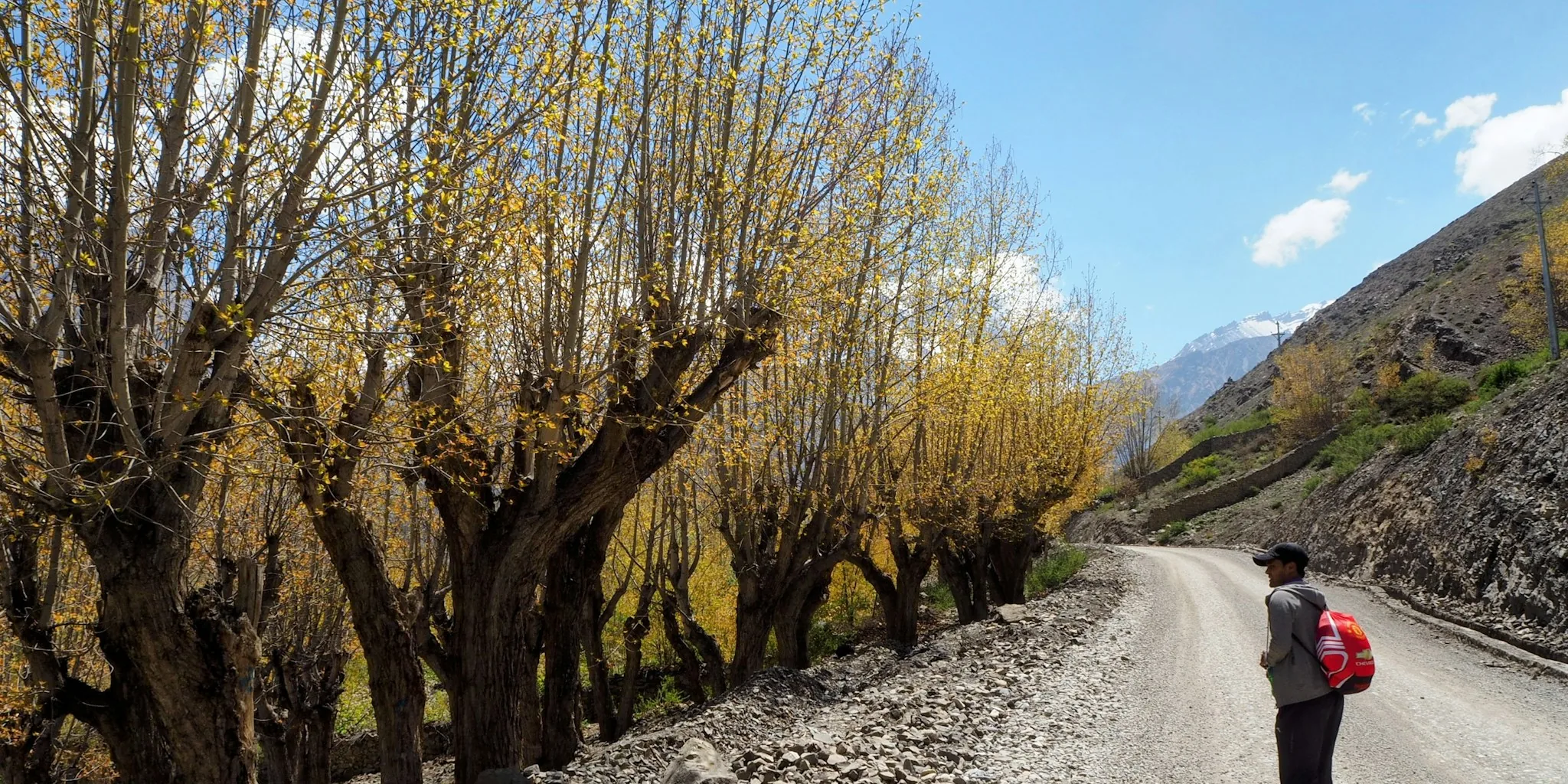

Shoulder Season Brings a Spike in Hiking Gear Purchases
September marks a pivotal moment in the outdoor calendar. As summer winds down and fall adventure season kicks into high gear, consumer buying patterns tell a revealing story about what serious hikers and outdoor enthusiasts actually want. Last month saw a dramatic surge in purchases across specific categories of equipment, offering valuable clues about which gear deserves space in your backpack and budget.
The data reveals a clear trend: shoppers were preparing for autumn trail adventures while maintaining their summer comfort. This shoulder season split reflects the reality of transitioning from beach trips and lazy afternoons to serious mountain expeditions and multi-day backpacking trips.
The Hiking Boot Dominance
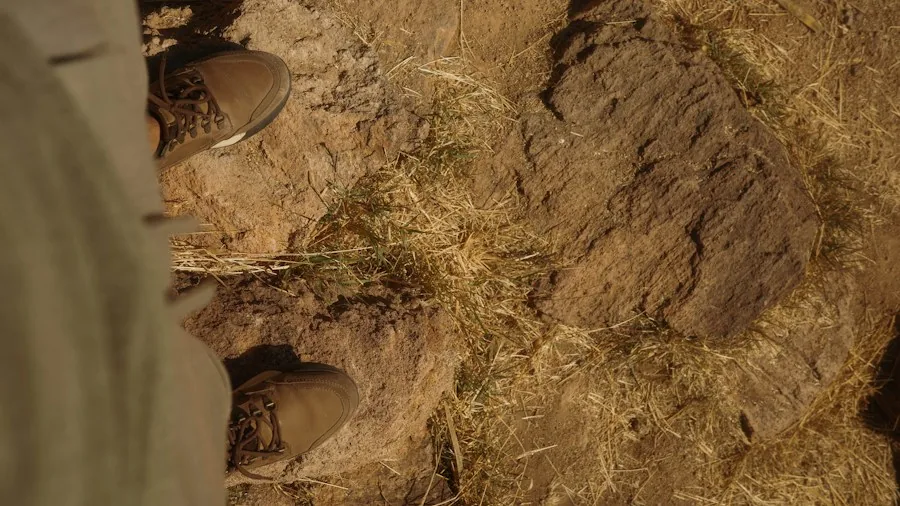
Two hiking boot models commanded exceptional attention from buyers last month, signaling that footwear remains the foundation of any serious hiking plan. The Arc’teryx Kopec Mid GTX emerged as a standout choice, with testers praising its responsive midsole and barely-there weight of just twelve ounces per shoe. The canvas-like upper adapts to your foot shape, while the Vibram Megagrip lugs deliver reliable traction on variable terrain. Gore-Tex protection kept feet dry through winter conditions, addressing one of the most common frustrations hikers face. The Kopec’s combination of speed and stability makes it ideal for readers planning to move confidently across diverse landscapes.
The Danner N45 Mid GTX also captured significant shopper interest, offering a sleeker aesthetic without sacrificing durability. These boots withstand multi-day expeditions with heavy pack loads exceeding forty pounds, proving that premium boots are investments in sustained performance rather than single-season purchases. If you’re serious about finding the right hiking boots, understanding the weight, support, and weather protection each model offers makes a measurable difference in trail comfort and confidence.
Sleeping Pads and Camp Comfort
The Therm-a-Rest NeoAir XLite NXT achieved remarkable sales momentum despite its premium price point. Weighing just thirteen ounces in regular mummy size, this sleeping pad offers an R-Value of 4.5, making it suitable for three-season backpacking. What surprised many buyers was its insulation efficiency: testers found its warmth comparable to pads rated at R-5 or R-6, meaning you’re essentially getting premium thermal performance at a more accessible price. The compact packed size, roughly equivalent to an overstuffed burrito, addresses a critical concern for backpackers managing limited pack space on extended trips.
Specialized Field Tools and Gear Organization
Beyond conventional hiking equipment, buyers showed strong interest in the Silky Nata Professional 240mm Outback Edition. This Japanese field hatchet and machete hybrid proved essential for campsite tasks. The black-oxide coated mono-steel blade stays sharp enough to produce fine kindling slivers for fire starting, handling wood processing that ordinary hatchets struggle with. For hikers planning remote backcountry trips where firewood prep matters, this tool represents specialized functionality that generic multi-tools cannot match.
The GoBox storage container also attracted considerable attention. Made from durable polymer comparable to rotomolded coolers, this eleven-pound bin remains portable despite substantial construction. Its gasketed lid, tie-down points, and non-slip feet perform equally well lashed into a raft, secured in a truck bed, or positioned at an exposed campsite. For organized hikers managing gear between home and trailhead, this container solves the genuine problem of protecting equipment during transport.
Budget-Friendly Cooling and Recovery Gear

September shoppers also gravitated toward practical non-hiking essentials that support the broader outdoor lifestyle. The RTIC soft-sided cooler offers welded, leakproof construction with two inches of closed-cell foam insulation. The package includes two complimentary tumblers, delivering functional value without premium pricing. For trail runners and hikers who appreciate post-adventure recovery, cooling solutions matter more than many realize.
The Ora Recovery Slide 3s addressed post-hike soreness with dual-density foam construction. A sugarcane-based EVA midsole provides cushioning while a sturdier outsole offers support. Buyers recognized that recovery gear extends your hiking season by reducing the impact of accumulated trail miles on your feet and joints.
What This Means for Your Hiking Purchases
These sales patterns indicate that experienced outdoor enthusiasts prioritize functional performance over trend-driven marketing. Weight matters for backpackers covering distance with loaded packs. Durability matters for extended trips where gear failures mean real consequences. Weather protection matters because hiking comfort depends on staying dry. Quality hiking pants complement quality boots, creating a foundation of reliable performance.
The September surge also reveals that many hikers view their gear as interconnected systems. A quality boot pairs with a quality sleeping pad and an organized way to transport everything. Recovery tools like cooling containers and cushioned slides extend your active season by supporting faster recovery between adventures.
If you’re planning fall hiking adventures or building your gear collection, the buying patterns from last month provide a roadmap. Focus on footwear that balances weight and support. Invest in sleeping pads that prioritize warmth efficiency. Choose storage solutions that protect your equipment during transport. These fundamentals consistently matter more than following trends, and the data confirms that serious hikers continue voting with their wallets for gear that delivers across multiple trips and seasons.



Write Your Review
No reviews yet. Be the first to share your experience!