
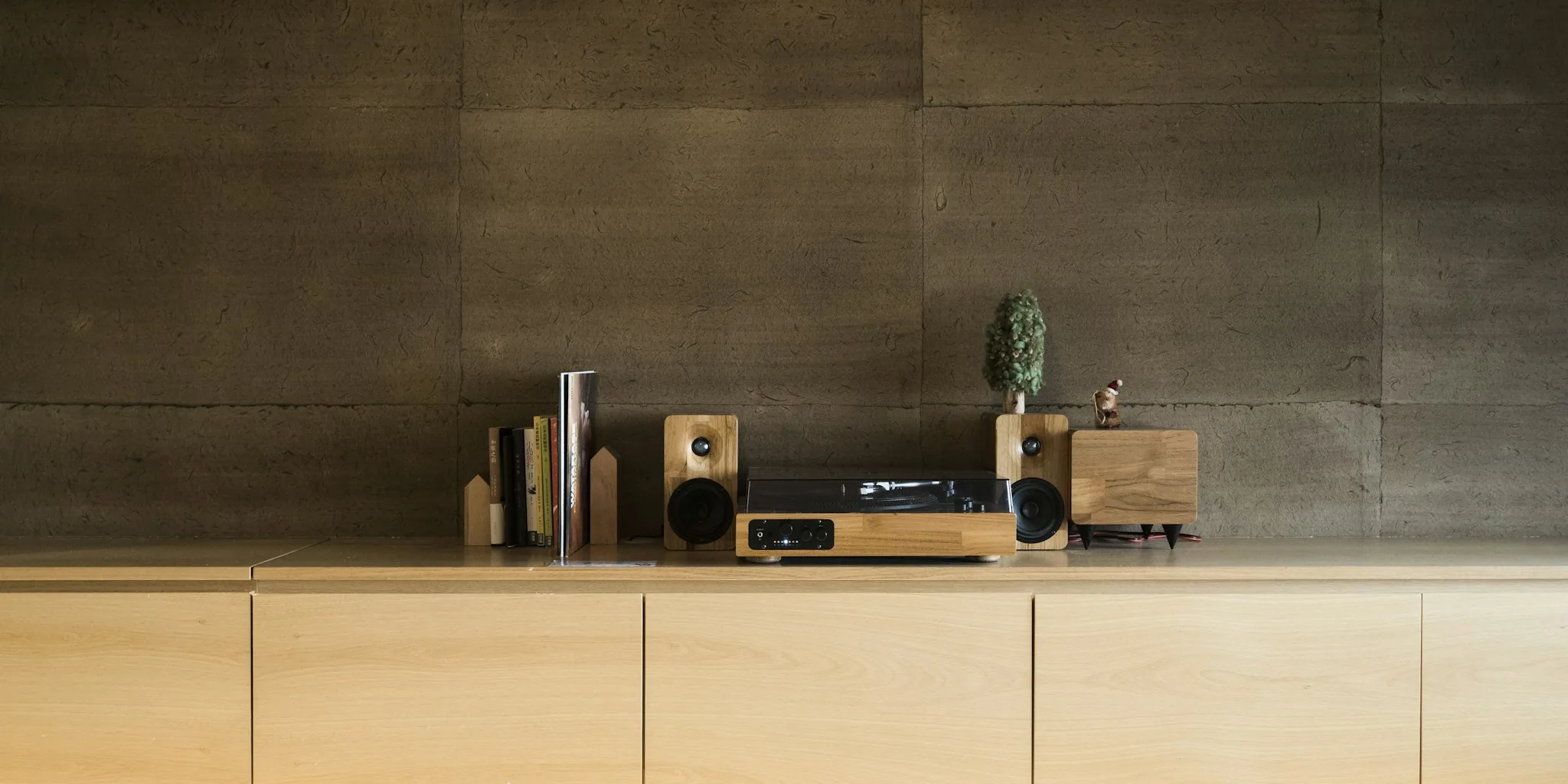

Building a high-quality multi-room audio system no longer requires spending thousands of dollars. While premium brands have long dominated the market, a new wave of budget-friendly speakers now makes it possible for shoppers to create seamless, voice-controlled audio setups across their entire home without emptying their wallets.
Why Multi-Room Audio Matters for Your Home
Multi-room speaker systems let you play different music in different rooms or sync the same song throughout your house. They work with voice commands, smartphone apps, and streaming services like Spotify and Apple Music. For years, this convenience came with a hefty price tag, but that’s changing rapidly as competition increases.
The Budget Speaker Landscape in 2026

The $99 Google Home speaker has emerged as one of the most compelling options for budget-conscious buyers. It pairs Google’s Gemini voice assistant with solid audio quality and an intuitive app that makes grouping speakers together straightforward. You can set up three Google Home speakers for less than the cost of two premium alternatives, giving you genuinely flexible multi-room capabilities without breaking the bank.
If you’re deeply invested in Apple products, the HomePod mini offers solid audio quality at $129, though it’s worth noting this device hasn’t received a major update in years despite a recent price increase. Apple Music and YouTube Music work seamlessly with it, but Spotify integration through voice commands remains limited.
Amazon’s Echo Dot Max rounds out the budget trinity at $119. It supports the newer Alexa+ voice assistant and delivers better sound than standard Echo Dot models while still remaining affordable. Amazon has spent years perfecting multi-room audio setup, and that experience shows in the simplicity of grouping speakers together.
Understanding the Trade-offs
All budget speakers make acoustic compromises compared to premium models. A $99 speaker uses fewer drivers and a smaller enclosure than a speaker costing three times as much, which means less volume and lower audio clarity. For casual listening, background music, and voice commands, this limitation rarely matters. If you need concert-level volume or audiophile-grade sound, you’ll need to spend more.
The good news: you can pair two budget speakers in stereo mode to boost volume in any single room. Most budget speaker apps handle stereo pairing effortlessly, letting you create louder playback in your living room while keeping single speakers elsewhere in your home.
Beyond the Budget Big Three
Other manufacturers compete in this space with varying degrees of success. Higher-end brands like Denon and Fender make powerful speakers, but their cheapest models start at $219 and $300 respectively, placing them outside true budget territory. The best speakers for every budget and room size in 2026 showcase how much the market has expanded, offering options for nearly every price point and listening preference.
JBL focuses primarily on portable speakers that prioritize mobility over seamless multi-room integration, making them less ideal if your main goal is synchronized home audio. However, if portability matters alongside multi-room capability, Marshall’s latest compact speaker offerings demonstrate how brands are pushing the boundaries of what portable speakers can deliver.
What Matters Most When Shopping

Price remains the primary consideration when evaluating budget speakers, with everything worth recommending falling well under $150. Easy management of multiple speakers ranks second, since the whole point of multi-room audio is controlling everything from one app without frustration. Voice assistant quality matters more than ever, especially as manufacturers roll out AI-powered versions that understand natural language better than older assistants.
Music service compatibility deserves attention too. Google Home and Echo Dot Max work with virtually every major streaming platform, while HomePod mini remains more limited to Apple’s ecosystem. Consider which services you actually use before committing to any platform.
The Bottom Line for Budget Buyers
The $99 Google Home speaker currently offers the best value proposition, delivering respectable audio quality, strong multi-room capabilities, and broad streaming service support at an unbeatable price. For Apple households, HomePod mini makes sense despite its higher cost. Amazon fans should seriously consider Echo Dot Max for its newer AI features.
Whatever you choose, today’s budget speaker market proves that excellent multi-room audio no longer means premium pricing. Outdoor speaker options for patios and decks have similarly democratized, giving shoppers affordable ways to extend quality audio throughout their properties.
As new products launch and AI assistants continue improving, these recommendations may shift. But for right now, budget-friendly multi-room speakers represent genuine value, finally making seamless home audio accessible to everyday shoppers.






Write Your Review
No reviews yet. Be the first to share your experience!