
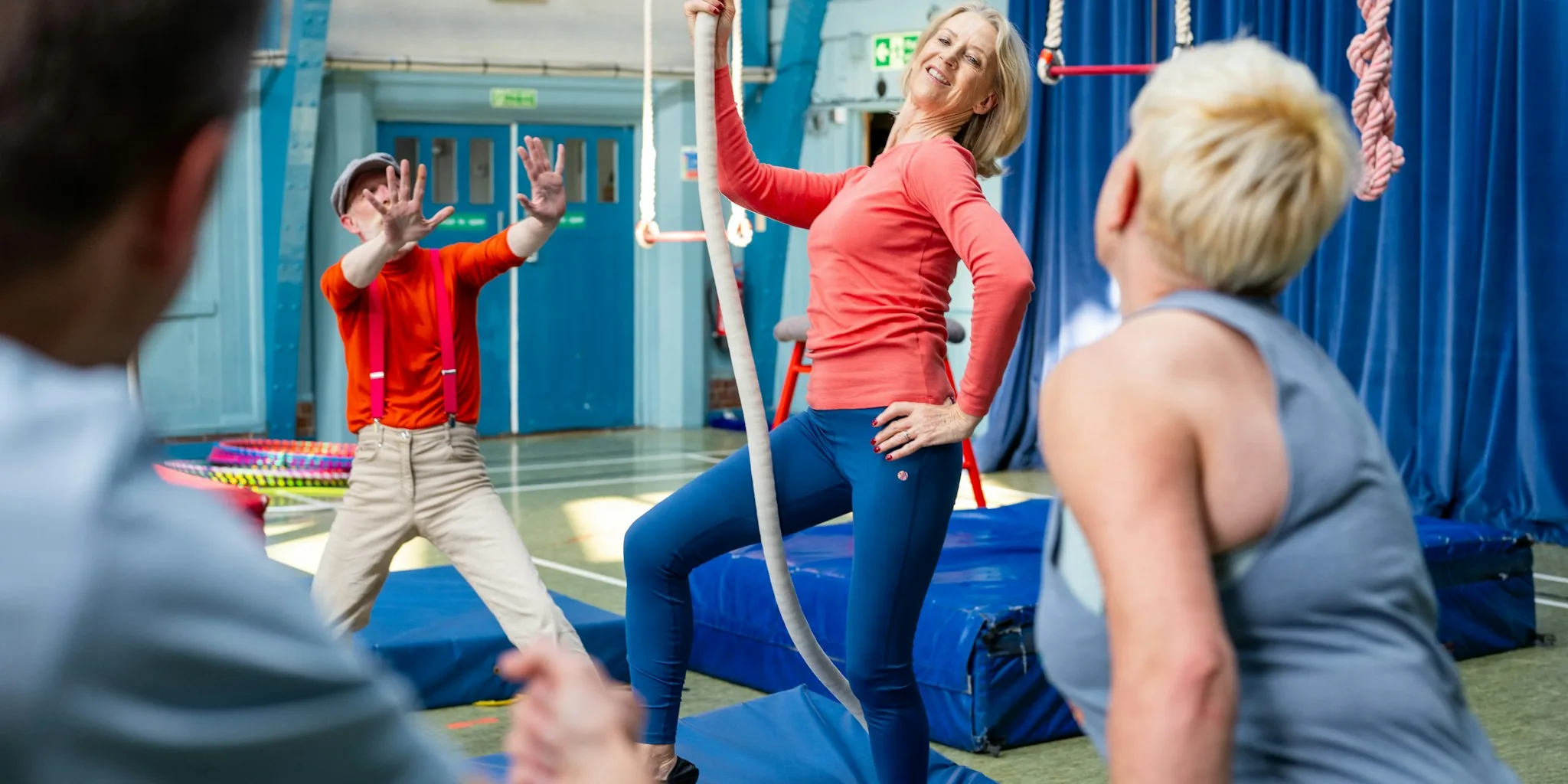

A fitness instructor at a senior center in Queens, New York recently discovered something unexpected: older adults have remarkable insights about sustainable exercise habits. After starting to teach fitness classes to seniors facing age-related challenges like arthritis and joint replacements, he realized their decades of experience offered lessons that could transform how people of all ages approach fitness.
What emerged from these classes is a complete rethinking of what effective fitness actually means for shoppers looking to maintain health as they age. Instead of chasing viral workout trends or pushing through high-intensity sessions, the seniors taught him that consistency, comfort, and community matter far more than intensity.
Small Movements Deliver Real Results
One of the most valuable lessons came from a client who had endured two knee replacements and two spinal fusions over her lifetime. Despite these challenges, seated bodyweight exercises performed in class led to measurable improvements in joint stability, mobility, and muscle strength around her joints. Her progress proved that fitness doesn’t require complicated single-leg balance drills or viral exercise trends to be effective.
The practical takeaway for shoppers: if you spend most of your day seated, commit to just five minutes of movement every hour. A simple full-body roll-down performed three times, followed by standing hip circles in each direction, can boost mood, energy, and focus without requiring gym equipment or athletic ability. The underlying principle is that all movement has value, regardless of intensity.
This insight aligns with what fitness scientists have discovered about consistency versus intensity. When you commit to regular movement, results show up faster than many people expect, even when the exercises feel minimal.
Posture as a Foundation for Lasting Fitness

Another breakthrough came from observing how quickly posture improved in his senior students. Within weeks, clients who arrived hunched began walking into class noticeably taller. One older student explained it simply: “If you don’t use it, you’ll lose it.” This phrase captures the reality that postural habits either build or diminish movement capacity over time.
Proper posture supports everything from breathing efficiency to joint protection to muscle activation. The foundation begins with standing or sitting tall with shoulders back, hips slightly tucked, and core engaged. Adding intentional breathing five or more times daily reinforces this alignment until it becomes automatic.
For shoppers investing in fitness, this means prioritizing proper form and body positioning over simply completing reps. Setting phone reminders to practice posture throughout the day turns alignment into a habit rather than an occasional thought.
Finding Your Why Sustains Commitment
Many of the senior participants managed chronic conditions including age-related muscle loss and fibromyalgia. What kept them returning weekly wasn’t motivation alone, but a clear personal “why.” For many, it was the desire to have enough strength and energy to play with grandchildren for years to come.
This principle applies universally. Shoppers struggling to maintain consistency often lack a compelling reason beyond general health goals. Identifying a specific, emotionally meaningful driver, like family time, adventure capability, or independence, creates mental stamina that carries through difficult days.
Breaking larger fitness goals into digestible steps also helps. Instead of committing to intense workouts, commit to walking three times per week. On tough days, a walk feels achievable and often provides enough energy to spark a fuller workout. For shoppers over 40, sustainable strength building depends on this kind of progressive, manageable approach rather than extreme training shifts.
Joy and Community Drive Long Term Adherence
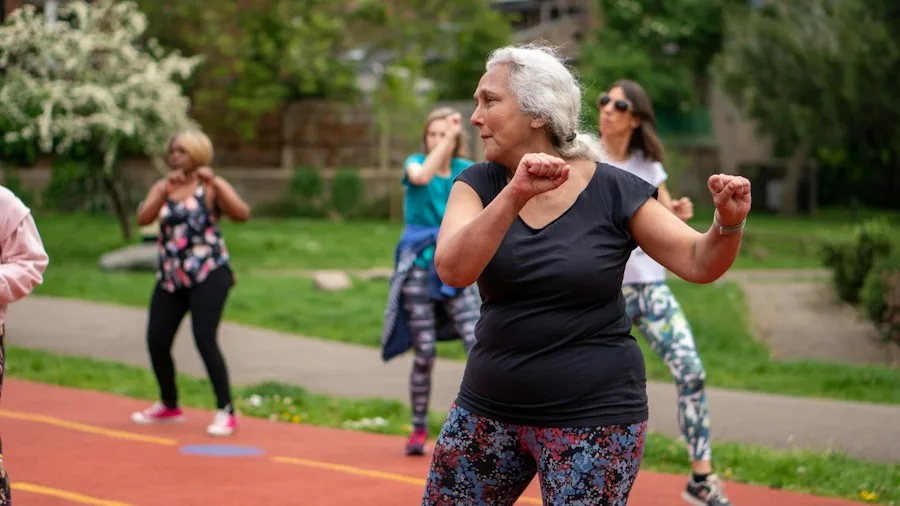
Perhaps the most powerful lesson came from the social element. Every Friday, the senior fitness class transforms into a mini disco party with conga lines and dance moves. Watching seniors sync their breathing to music and genuinely enjoy the experience revealed why consistency matters so much.
People stay committed to activities they actually look forward to. For many in the class, this weekly gathering represented their only structured social activity, especially since pandemic-related cuts eliminated other community programs. The friendships formed in class and the accountability from workout partners proved more motivating than any solo routine.
For shoppers selecting fitness classes, equipment, or workout partners, this research confirms that enjoyment and community membership should factor equally with program quality. Advanced fitness tracking can monitor your progress and help optimize workouts, but the social environment often determines whether you’ll actually show up.
What This Means for Your Fitness Purchases
These lessons reshape how shoppers should approach fitness investments. Rather than buying expensive equipment for high-intensity training, consider investing in items that support consistency and enjoyment: comfortable workout clothes, classes that feel fun rather than punishing, or a reliable gym partner relationship. Prioritize accessibility and sustainability over intensity.
The bottom line: aging bodies demonstrate that fitness is a lifelong practice requiring adjustment and flexibility. Whether you’re stretching, doing seated exercises, or dancing, these consistent efforts compound into genuine improvements in how you feel and function daily. The oldest participants proved that with the right mindset and support system, fitness remains possible and valuable at every stage of life.






Write Your Review
No reviews yet. Be the first to share your experience!