
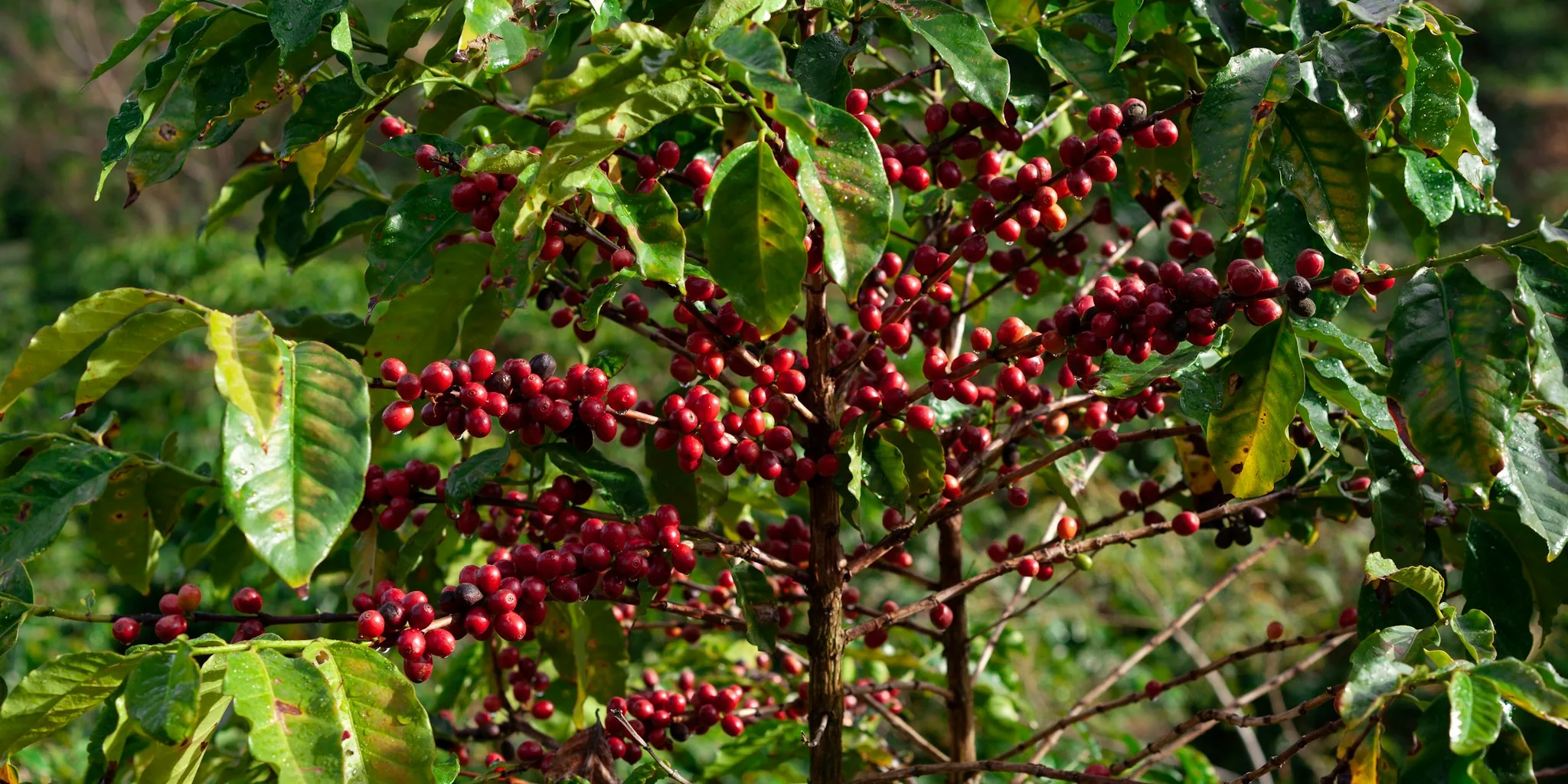

On October 1st, the United Nations formally marked the first official International Coffee Day following a vote by the UN General Assembly in March. The resolution passed with overwhelming support: 150 countries voted in favor, one abstained, and notably, only one country voted against it. That single opposing vote came from the United States, a move that caught many observers by surprise given America’s massive role in the global coffee market.
The UN resolution acknowledges that coffee generates significant economic benefits throughout the entire global supply chain, supporting both the countries that produce beans and those that import and consume them. The measure calls on governments and organizations worldwide to promote activities that highlight coffee’s importance across economic, social, and environmental dimensions. For millions of farming families in developing nations, the recognition emphasizes sustainable production practices, fair wage distribution, and efforts to lift workers out of poverty.
Why Did the US Vote No?
The United States’ opposition wasn’t necessarily a statement about coffee itself. Instead, analysts point to a broader political stance: the Trump administration’s skepticism toward international institutions and multilateral cooperation. On the same day, the United States also cast solo “no” votes against resolutions on international road safety and International Wellness Day. The pattern reflects a policy approach that questions whether UN commitments serve American interests.
This represents a significant shift in US coffee policy. In 2018, the United States withdrew its membership from the International Coffee Organization, the industry body that had established October 1st as International Coffee Day back in 2014. That earlier withdrawal was part of a broader pullback from international agreements during the same administration.
What the Recognition Means for Coffee Buyers
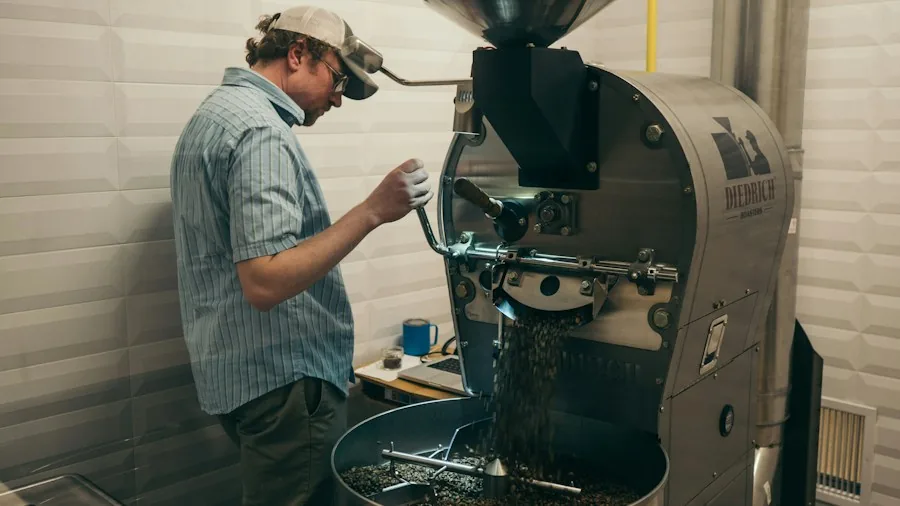
For American consumers and coffee businesses, the UN designation carries practical implications. The resolution emphasizes equitable revenue distribution throughout the coffee supply chain, meaning more money should reach the farmers and workers at the production stage rather than staying concentrated with large exporters and importers. This aligns with growing consumer interest in ethically sourced, fairly traded coffee.
The formal recognition also strengthens global sustainability initiatives. Coffee farming faces real environmental pressures, including deforestation, water usage, and climate vulnerability. By giving International Coffee Day official UN status, participating nations commit to promoting production methods that protect ecosystems while supporting the livelihoods of smallholder farmers who produce much of the world’s coffee.
If you’re shopping for coffee, understanding these supply chain dynamics helps you make informed choices. Many specialty roasters and retailers now highlight their sourcing practices, certifications, and direct relationships with farming communities. When you invest in quality coffee makers and brewing equipment, pairing them with responsibly sourced beans amplifies your impact. The UN’s focus on sustainability and fair wages reflects values that an increasing number of American coffee drinkers share.
The Growing Coffee Day Movement
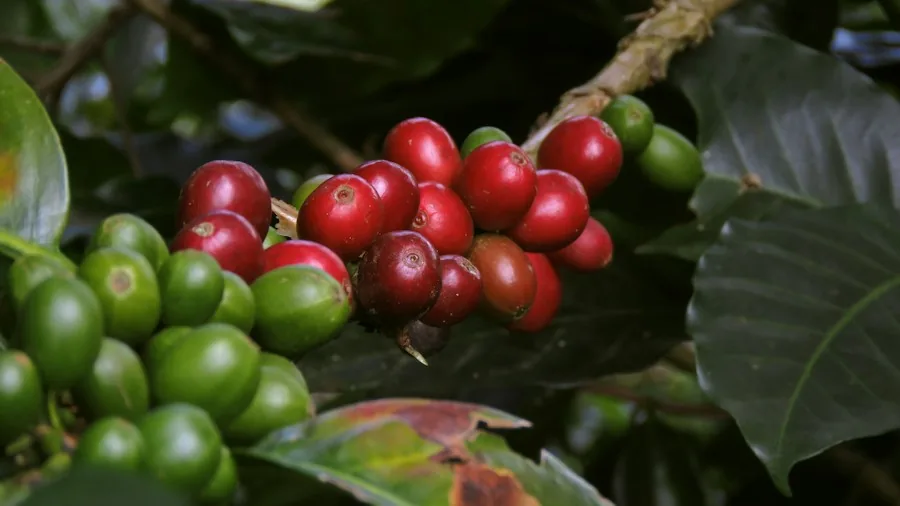
International Coffee Day isn’t entirely new. The International Coffee Organization first established the October 1st observance in 2014, and the first official celebration took place in 2015 alongside Expo Milan. What changed this year is the United Nations’ formal endorsement. In 2025, the Food and Agriculture Organization of the UN adopted October 1st as well, followed by the General Assembly’s March 2026 resolution.
The UN’s involvement doesn’t reinvent the concept; rather, it elevates an existing industry observance into the broader framework of sustainable development. The designation connects coffee production to UN goals addressing hunger, poverty, women’s empowerment, and decent working conditions. It draws attention to how revenue flows through the supply chain and whether all participants, especially small farmers, receive fair compensation.
What This Means Going Forward
The US abstention and opposition represent a symbolic moment in coffee policy, but they don’t change the fundamental market realities. American traders, roasters, retailers, and consumers depend on coffee sourced globally. With specialty products and brewing options expanding rapidly, consumer interest in quality and ethics continues climbing.
The UN’s recognition gives legitimacy to conversations about sustainable farming, fair trade practices, and worker welfare that were already gaining traction in the American coffee industry. Whether through official policy or market demand, the emphasis on transparency and equity in coffee supply chains is likely to grow. For shoppers, this means more access to information about where coffee comes from and how it was produced.
As the coffee market evolves, staying informed about sourcing practices, certifications, and industry initiatives helps you make purchases aligned with your values. The official recognition of International Coffee Day on the UN stage underscores that coffee isn’t just a commodity: it’s a product with real human stories, environmental implications, and economic significance for millions of people worldwide.




Write Your Review
No reviews yet. Be the first to share your experience!