

A Chinese Market Crossover Experiment Gone Wild
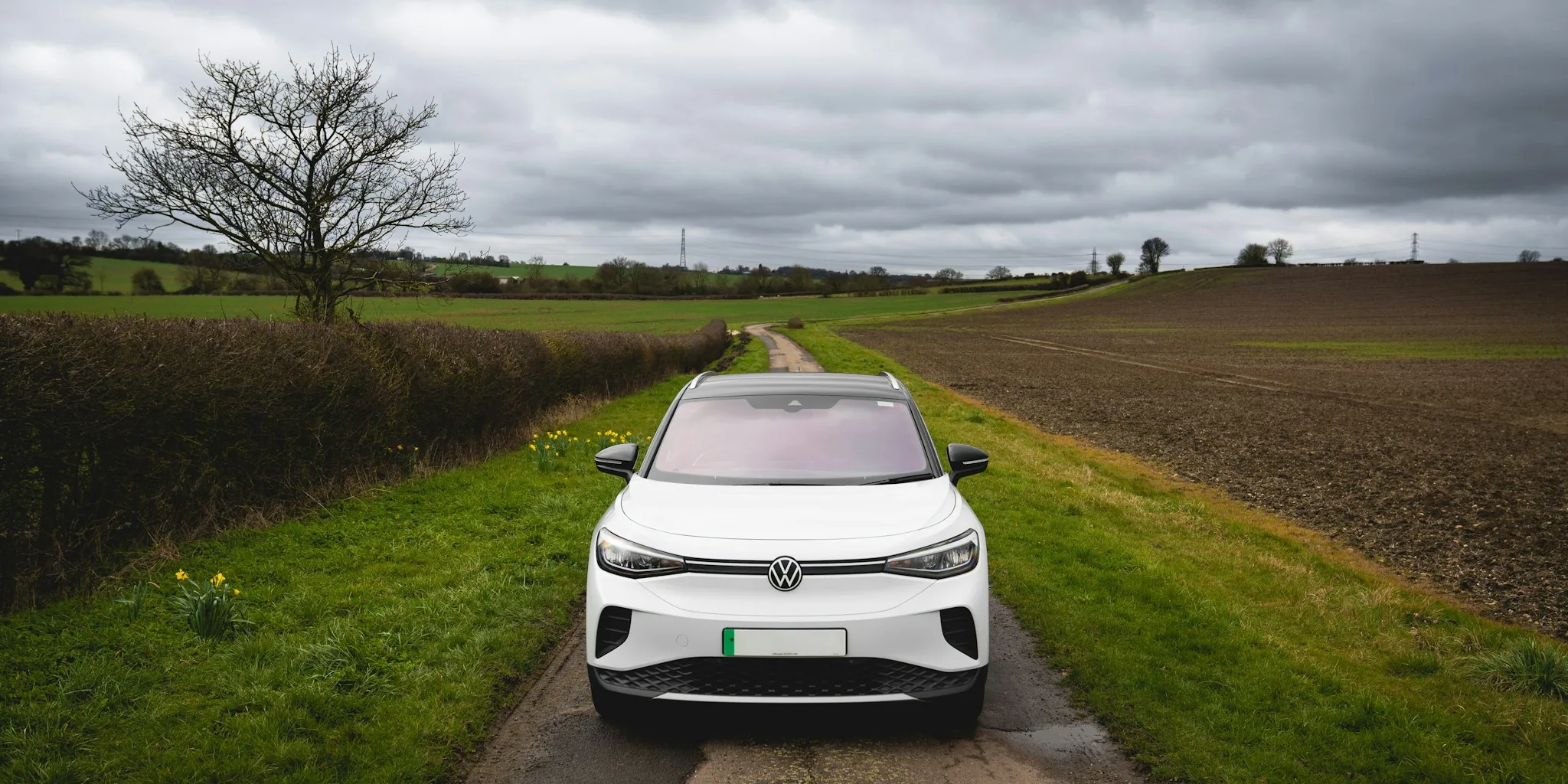
Mazda has introduced an unusual feature on the CX-6e electric crossover sold in China and Australia: an external speaker system designed to communicate warnings and alerts to pedestrians and cyclists. The intention is sound, since early electric vehicles raised safety concerns due to their nearly silent operation. Many manufacturers responded by installing standard reversing sounds, but Mazda engineers took the concept further.
The CX-6e combines Mazda’s familiar crossover styling with a Chinese-built EV powertrain and adds a sophisticated audio warning system. Drivers can activate this system to broadcast pre-programmed safety messages with a single button press. Messages like “Please look up from your phone” to distracted pedestrians or “You go ahead” to uncertain drivers at intersections could theoretically improve traffic flow and prevent accidents.
The Problem With Unlimited Freedom
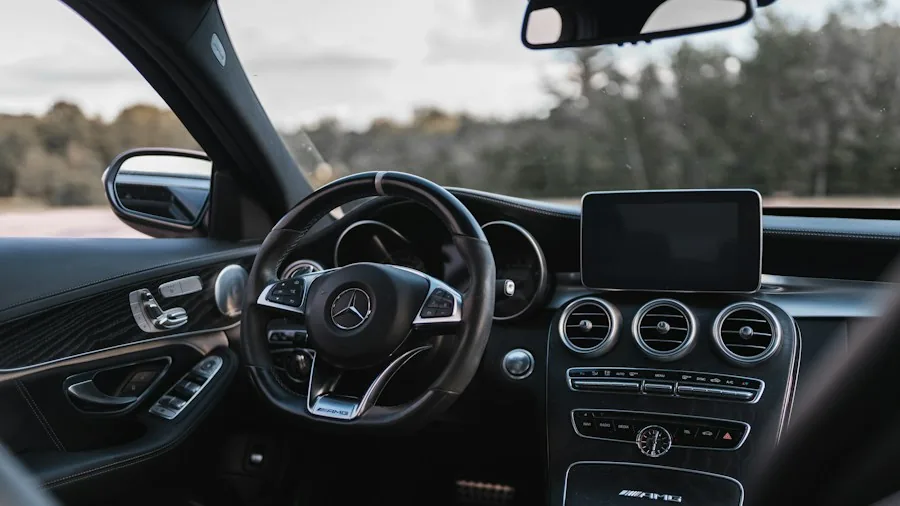
While the concept initially seems beneficial, the execution reveals a significant oversight. Journalists who tested the system in Australia discovered that the external speaker comes with virtually no restrictions on what can be broadcast. Beyond the pre-programmed safety messages, drivers can use a keyboard to type out any text they wish, which the system will read aloud in a robotic voice. The system also functions as a direct audio feed, allowing drivers to record and broadcast their own voice like a mobile public address system.
This flexibility has obvious downsides. Without content filtering, drivers can broadcast profanities, insults, or aggressive statements to other road users. Some have already used it to yell at fellow motorists in ways that could escalate road rage rather than promote safety. The irony is stark: a system intended to prevent accidents could instead become a tool for harassment and distraction.
What This Means for Electric Vehicle Safety Standards
This situation highlights a broader challenge in EV development. As manufacturers add new technologies to electric cars, safety considerations must extend beyond mechanical performance to user behavior. While features like hands-free phone mounting systems help drivers stay focused on the road, external communication tools require guardrails to prevent misuse.
The CX-6e scenario demonstrates that not all product innovations benefit consumers. Even clever ideas can create problems when implemented without appropriate limitations. Mazda will likely issue a software update that restricts messages to approved content, but the incident raises questions about how automakers should evaluate new features before launch.
Current Safety Solutions That Actually Work

For shoppers concerned about vehicle safety and communication, proven solutions exist. Many modern cars offer clear directional signals, warning lights, and horn systems that effectively communicate with other road users without introducing new risks. Additionally, technology that keeps drivers connected to essential information, such as reliable in-vehicle charging solutions, supports longer attention spans and safer driving practices during trips.
If you’re shopping for an electric vehicle, look for models with thoughtfully designed safety features that improve communication without creating new hazards. Consider how each technology actually serves driver and pedestrian safety, rather than simply being novel.
The Broader Takeaway for Car Buyers
This incident reminds shoppers to think carefully about features before assuming they add value. Some innovations solve real problems, while others introduce complications. When comparing electric vehicles, prioritize fundamentals: battery range, charging infrastructure, handling, and established safety features that have proven effective.
The CX-6e’s audio system serves as a cautionary tale. What seemed like a good idea without proper restrictions became a tool for potential mischief. As electric vehicles become more common, manufacturers will continue introducing connected features and communication tools. Smart buyers should demand that these features enhance safety and convenience without creating new risks.
If you’re considering an EV purchase, focus on vehicles from manufacturers with a clear track record of responsible feature implementation. Test drive multiple options, ask about software updates and customer support, and don’t let flashy additions overshadow practical concerns like charging time, real-world range, and long-term reliability. The right electric vehicle should make your driving experience better, not just different.





Write Your Review
No reviews yet. Be the first to share your experience!