
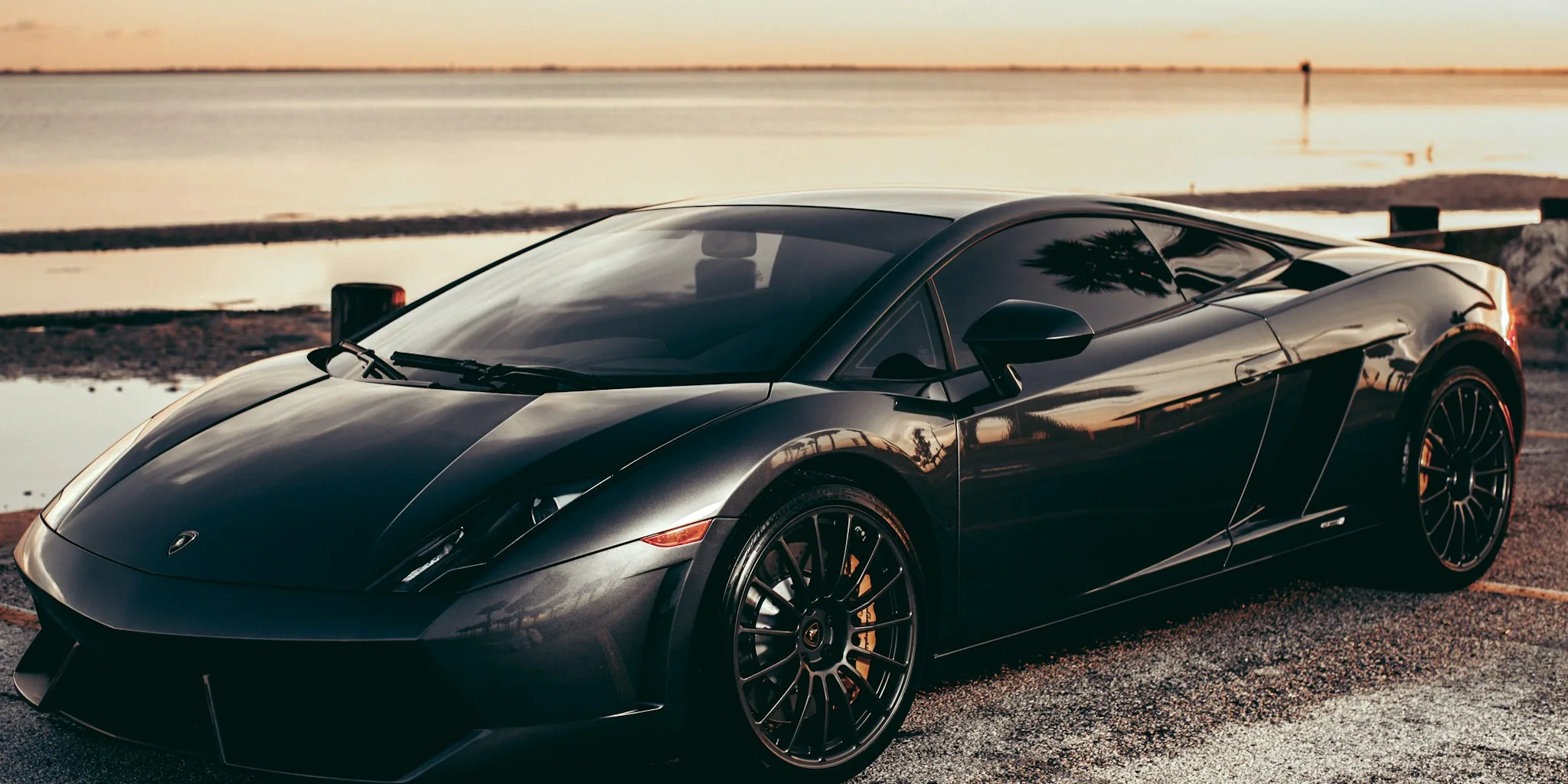

What One Journalist Learned Driving $10 Million in Supercars
Most car shoppers will never experience driving a ten-million-dollar vehicle, but a recent month of automotive journalism reveals something important about what extreme price actually buys. An automotive expert recently spent a month rotating through hypercars and collector automobiles, gaining rare insight into whether the world’s most expensive cars deliver proportional value. The findings may surprise budget-conscious buyers: more money does not always equal better engineering or a better driving experience.
During this unusual month, the journalist rotated through a $2.4 million Bugatti Veyron Super Sport, a Lamborghini Miura worth millions, and several other elite vehicles totaling ten million dollars combined. For perspective, a typical month involves driving $100,000 to $200,000 in new vehicles, usually featuring the latest pickup trucks and compact SUVs. This extraordinary month stood apart because it focused exclusively on heritage collector cars and modern hypercars, vehicles that exist outside the realm of normal automotive experience.
The Bugatti Veyron: Power Without the Drama

The Bugatti Veyron Super Sport holds historical significance as the production car that first exceeded 250 miles per hour. Its original $2.4 million price tag made it one of the most expensive cars available when released. The W-16 quad-turbocharged engine produces 1,200 horsepower, a specification that seemed impossible until recently.
However, actually driving the Veyron reveals an unexpected truth: extreme power does not necessarily translate to an engaging or thrilling experience. Behind the wheel, the car felt remarkably subdued and low-key in everyday traffic. The design aesthetic is understated compared to flashier hypercars, with a rounded profile that sparkles subtly rather than announces itself dramatically. The interior lacks complex screens and multiple performance modes, featuring only a power gauge to remind drivers of the car’s extraordinary capabilities.
Most interesting to seasoned drivers is how the Veyron feels less responsive than modern vehicles with electric power steering and instant torque. The W-16 engine delivers smooth confidence rather than the jumpy sensation of contemporary machines. The experience is astonishing, yet it raises an important question for potential collectors: is the Veyron’s price justified by the actual driving experience? For frequent drivers managing their attention and controls, even supercars must balance performance with usability.
The Lamborghini Miura: Why Some Cars Become Timeless
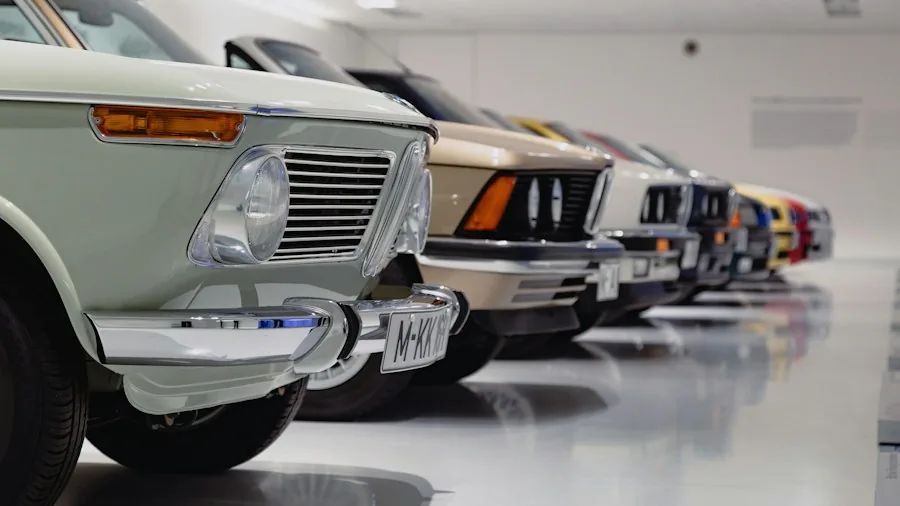
If the Veyron represents extreme modern engineering, the Lamborghini Miura represents automotive art. This classic vehicle holds legendary status comparable to iconic achievements in music, cinema, and visual art. Even non-enthusiasts immediately recognize the Miura’s gorgeous proportions, elegant curves, and flirty design elements. Nobody questions why it appears on lists of greatest cars ever made.
The Miura delivers an experience the Veyron cannot match: emotional connection. The sound alone justifies ownership, with a melodic V-12 that howls like a wolf pack with each gear change. The gated manual shifter and mid-mounted transverse engine layout represent engineering philosophies that no longer exist in production cars. These design choices carry trade-offs, including a tendency for the front end to become light during aggressive driving and documented fire risk, but enthusiasts accept these limitations as part of owning something genuinely rare and significant.
The Miura represents what happens when automotive design prioritizes beauty and emotion over safety metrics and computing power. That philosophy explains why enthusiasts would spend millions on this car while dismissing newer hypercars as less worthy of investment.
Lessons for Regular Car Shoppers
Most people will never need to consider whether a $2.4 million purchase makes financial sense, yet these extreme examples illustrate principles that apply across all price ranges. More expensive cars do not automatically offer better quality, reliability, or driving enjoyment. A broken supercar creates far more frustration than a broken economy car, yet both disappoint equally when basic features fail.
The expert acknowledged that modern affordable vehicles often deliver better engineering and fewer reliability issues than six-figure cars. A Tesla Model S with 1,000 horsepower now exists at a fraction of what a Bugatti costs, yet it may not generate the same cultural cachet or emotional response.
For buyers evaluating cars at any price point, these insights matter. Consider whether you prioritize emotional engagement with your vehicle or pure performance specifications. Decide if heritage and cultural significance influence your satisfaction. Evaluate whether advanced features enhance your driving or distract from it. You might also consider practical upgrades like quality charging systems that improve daily vehicle use more than exotic powertrains ever could.
Ultra-expensive cars reveal that value remains deeply personal. The million-dollar question for any buyer is not what price tag indicates quality, but what specific combination of features, feel, and meaning will satisfy your own automotive aspirations.





Write Your Review
No reviews yet. Be the first to share your experience!