
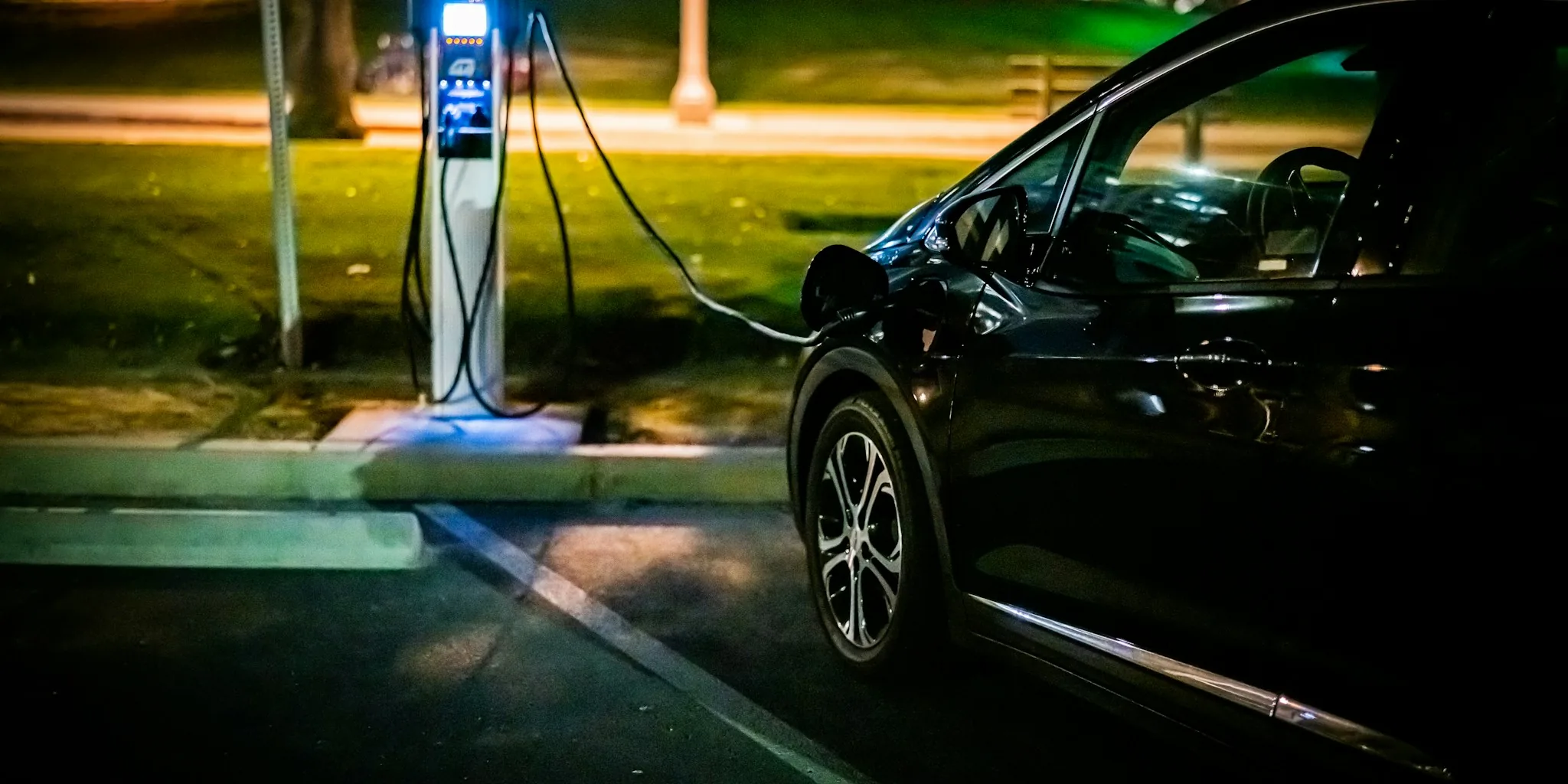

A New Safety Override for Tesla Charging Stations
Tesla has introduced Emergency Drive Away, a software feature that allows drivers to leave a Supercharger station without manually disconnecting the charging cable. Available through an over-the-air update, this capability addresses a critical safety gap that emerged after a tragic incident in August when three people sheltering in Tesla vehicles at a charging station became victims during an active shooter situation in Twin Falls, Idaho.
The feature fundamentally changes how Tesla owners interact with Superchargers during emergencies. Normally, Tesla vehicles are locked in park while connected to a charger and cannot shift into drive until the cable is physically removed from the port. This safety mechanism prevented accidental damage to charging infrastructure and the vehicle itself. However, it also meant drivers had no quick escape route if a dangerous situation unfolded at or near the charging station.
How Emergency Drive Away Works
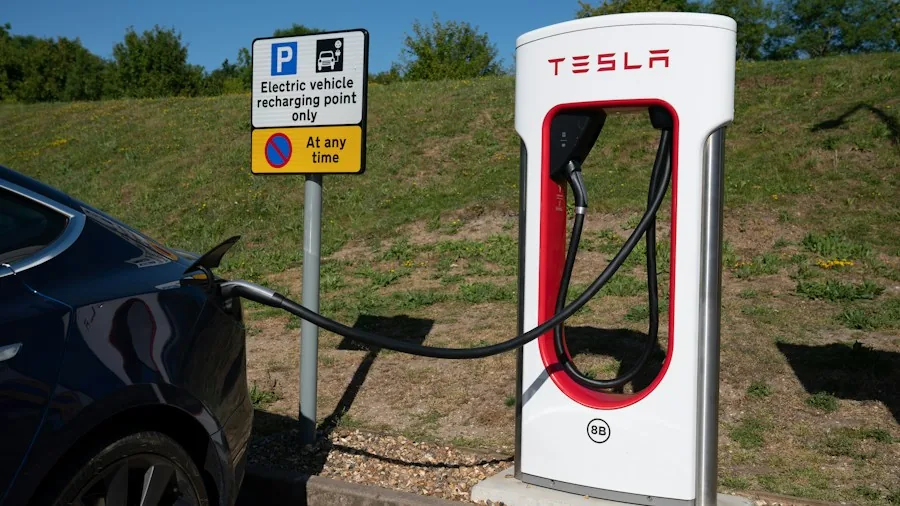
When activated, Emergency Drive Away enables drivers to shift the vehicle into drive while still physically connected to the Supercharger. The system displays a warning screen requiring drivers to press the brake pedal and tap an “Activate” button on the in-vehicle display. Once engaged, the vehicle can pull away from the charging station, and the cable automatically breaks from the port.
Tesla is explicit about the trade-off involved: the feature causes substantial damage to both the vehicle and the Supercharger station. According to the company, repair costs can reach up to $25,000 depending on which Supercharger is affected. The aggressive mechanical break creates a high-risk scenario intentionally designed only for true emergencies when lives are at stake.
To prevent misuse, Tesla has indicated that intentional activation outside of genuine emergencies may result in additional penalties, though the company has not yet clarified what those consequences will be. This warning reflects Tesla’s effort to balance safety with responsible ownership.
Availability and Limitations
Emergency Drive Away is currently limited to U.S. Supercharger locations and requires the latest software update. Not all Tesla models qualify: vehicles built before 2021, including early Model S and Model X variants, are not supported by the feature. Tesla has indicated that the capability may eventually roll out to international Supercharger networks, but no timeline has been announced.
EV shoppers considering Tesla should verify their vehicle’s model year and software version before assuming this feature is available. Those with older Tesla models who want emergency override capability have historically relied on third-party adapters, though Tesla has repeatedly warned that these aftermarket solutions risk overheating and causing damage.
What This Means for EV Buyers

The introduction of Emergency Drive Away reflects growing awareness that charging infrastructure extends beyond convenience into personal safety territory. As more electric vehicles enter the market and charging networks expand, understanding how different EV platforms handle safety features becomes increasingly important for consumers.
For Tesla owners, this feature provides peace of mind that a rapid escape route exists in worst-case scenarios. The willingness to accept vehicle and infrastructure damage in exchange for personal safety underscores how seriously the company takes emergency preparedness following the Idaho incident.
For prospective EV buyers comparing Tesla to competitors, it raises important questions: What safety features do other electric vehicle manufacturers offer at charging stations? How do traditional automakers balance accessibility with emergency protocols? Understanding what premium features mean in practical terms helps consumers make informed decisions about which EV platform aligns with their priorities and concerns.
The Broader Charging Safety Picture
Emergency Drive Away is one piece of a larger conversation about public charging infrastructure safety. As electric vehicles become mainstream transportation, charging stations increasingly serve as gathering spaces where people wait, work, or rest. This reality demands that charging networks incorporate the same emergency response considerations that traditional gas stations and public spaces maintain.
Tesla’s proactive response to a tragic event demonstrates how real-world incidents can accelerate safety feature development. Other EV manufacturers and charging network operators may face similar pressure to evaluate their own emergency protocols and capabilities.
For EV buyers, this evolution is positive. It signals that the industry recognizes charging station safety as a legitimate consumer concern worthy of technological solutions and infrastructure investment.






Write Your Review
No reviews yet. Be the first to share your experience!