

Understanding the Real Difference in Cutting Capacity
When shopping for a miter saw, many buyers assume that the bigger option automatically delivers better performance. The truth is more nuanced. While a 10-inch and 12-inch miter saw differ by just 2 inches in blade diameter, that gap doesn’t translate directly to proportional increases in what you can actually cut. The real factor is how the saw is designed, whether the blade head slides, and how the manufacturer engineers the rails, fence, and blade assembly.
A quality 10-inch dual-bevel slider can handle impressive cutting tasks. For example, many models cut through a 2×12 piece of lumber at 90 degrees and a 2×8 at 45 degrees. Full dimensional lumber as large as 4×6 can be cut straight through at 90 degrees on a capable 10-inch model. For most household projects, this is as much capacity as you’ll ever require.
What a 12-Inch Saw Brings to the Table
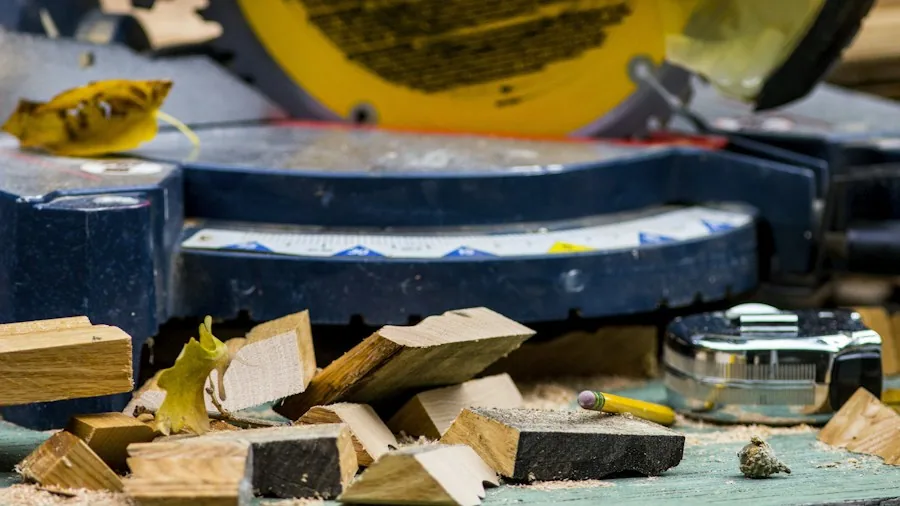
The 12-inch saw category opens up larger vertical cutting abilities. These models can typically handle maximum crosscuts of 3.5 inches by 13.5 inches or larger at 90 degrees. This means you can place a dimensional 4×4 on the turntable and slice straight through it in one pass without repositioning. The bigger platform also accommodates tall baseboards, crown molding, and other oversized materials when standing vertically against the fence. If you’re working with various saw types for different applications, understanding these differences becomes critical for your toolkit.
The trade-off is weight and portability. A 12-inch model can easily exceed 60 pounds, making it heavier and more cumbersome to move, transport, and store compared to a 10-inch version that typically weighs under 40 pounds.
Who Should Buy a 10-Inch Saw
A 10-inch dual-bevel slider is the smart choice for homeowners who cut standard dimensional lumber and trim work regularly. If your saw lives in a garage, under a workbench, on a shelf, or tucked against a wall until the next project arrives, the smaller model shines in practicality. Portability becomes a major advantage when you’re moving from room to room while installing new trim or handling multiple projects throughout your home. Being able to easily transport your saw setup saves time and effort compared to running up and down stairs or hauling equipment between locations. Different saw styles serve different needs, and for basic home improvement, the 10-inch delivers everything you need.
The financial benefit matters too. A solid 10-inch model costs considerably less than comparable 12-inch options, allowing you to invest savings in other tools and materials for your projects.
When You Actually Need a 12-Inch Model
Certain situations demand the larger saw. If you routinely work with 4×4 lumber, large crown molding, tall baseboards, or other oversized materials, a 12-inch saw removes guesswork from your approach. Rather than adapting your technique or making multiple cuts to accommodate your tool’s limitations, the larger model handles these tasks confidently in single passes.
There’s real value in owning a tool that can handle pretty much anything future projects might require. If you live in an older home or own rental properties with varied renovation needs, the versatility reduces the risk of buying a tool that later proves inadequate. The downside is paying for that extra capacity every time you lift, transport, and especially store the saw.
Making Your Decision
The best miter saw for your situation depends on your actual needs, not maximum theoretical capacity. For most homeowners who pull their saw out of storage for occasional projects, a capable 10-inch dual-bevel slider handles an enormous range of work while remaining considerably less cumbersome. You get professional-quality cuts without the burden of hauling and storing heavy equipment.
However, if you work with large materials regularly, operate a renovation business, or want flexibility for unpredictable project scope, the 12-inch model justifies its extra weight and cost. The broader, sturdier surface area provides confidence when positioning large workpieces, and you’ll never hit a ceiling imposed by blade size. Consider exploring specialty saws for specific cutting applications as your toolkit grows beyond basic miter work.
The key is honestly assessing what you’ll actually cut over the next few years, then selecting the tool that matches that reality rather than purchasing phantom capacity you may never use.




Write Your Review
No reviews yet. Be the first to share your experience!