
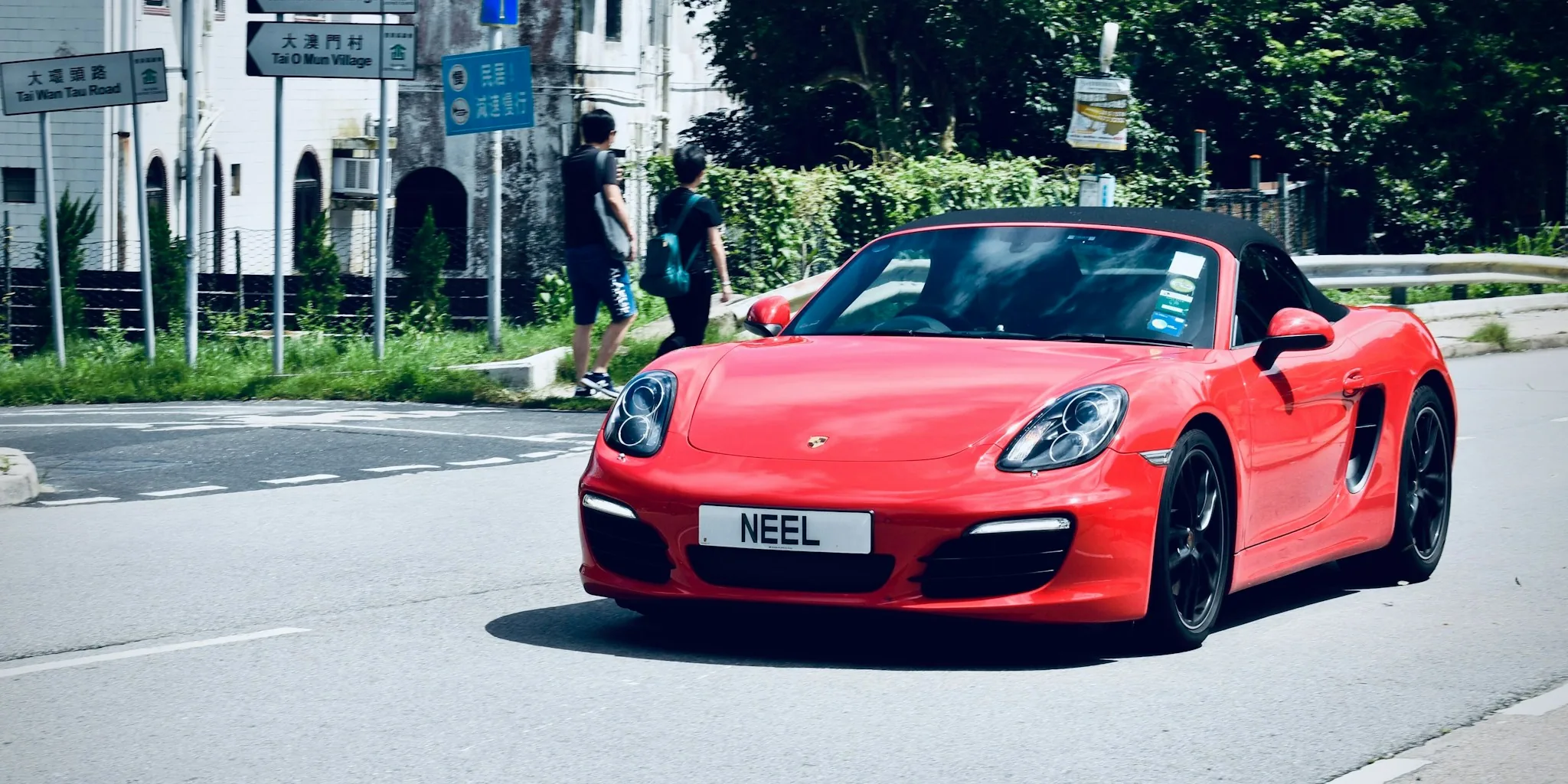

Porsche Confirms Electric 718 Boxster and Cayman Are Coming in 2027
Porsche has officially announced that its long-awaited electric replacement for the 718 Boxster and Cayman will arrive in 2027. After years of delays since the project was first confirmed in 2022, the German automaker revealed its timeline during a Capital Markets Day presentation. For sports car enthusiasts who have been waiting for an electric alternative to these beloved convertibles and coupes, this confirmation marks a significant milestone in the EV revolution.
The company recently allowed journalists to ride in a prototype of the new electric 718 at its Weissach test track in Germany, providing the first public glimpse of how this car will perform and feel on the road. The experience suggests that Porsche has taken a markedly different approach to EV design compared to most competitors in the market today.
Unconventional Battery Placement Preserves the Classic Driving Feel
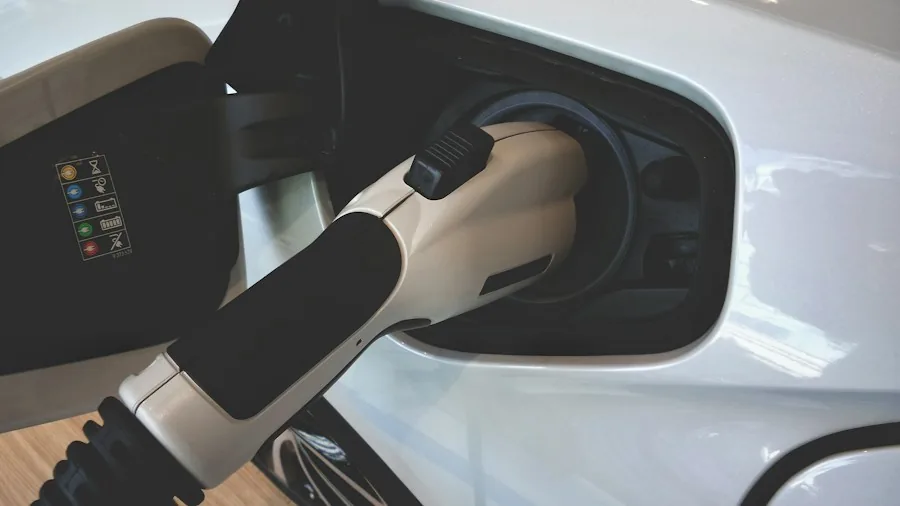
The most striking aspect of Porsche’s electric 718 strategy is its choice to reject the standard EV battery layout. Most electric vehicles place their battery packs under the floor in a skateboard-style configuration, which typically raises the seating position and changes how a car handles. Porsche instead mounted the battery directly behind the seats, exactly where the combustion engine sat in the gas-powered 718 models.
This innovative approach, called E-Core architecture, is structurally integrated into the chassis and designed to maintain the mid-engined driving characteristics that made the original 718 Boxster a driver’s favorite. The weight distribution proves this works: the gas 718 positioned 59.8 percent of its weight over the rear axle, while the electric version achieves 55.2 percent, preserving the balanced feel that sports car buyers demand.
The result is immediately obvious when you slide into the driver’s seat. The electric 718 offers a low seating position that feels remarkably similar to the gas-powered model it replaces, not the elevated perch common in many EVs today. The overall proportions remain lithe and familiar, even with the new electric powertrain underneath. This design choice could set a new standard for how automakers think about EV design and driver engagement, addressing a key concern that many enthusiasts have about the transition to electric power.
Performance and Handling That Rewards Spirited Driving
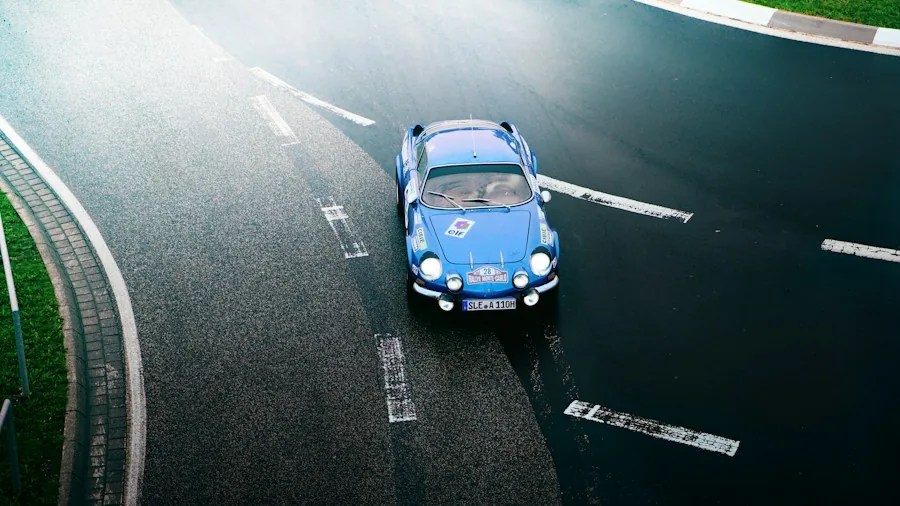
During the test drive experience, the electric 718 demonstrated nimble and responsive handling characteristics. The prototype tested was configured with rear-wheel drive, though Porsche has not yet confirmed whether this means a single rear motor or dual motors driving each wheel separately. What matters to shoppers is that the car readily rotates into corners and dives in eagerly without requiring driver corrections.
Despite the added weight that batteries typically bring to an EV, the suspension remained compliant when tackling rough surfaces at speed. The car cornered flat and felt agile even on the tight, twisty sections of the Weissach test circuit. This suggests that Porsche has successfully engineered a vehicle that doesn’t sacrifice dynamic handling for electric power, a concern many traditionalists have raised about EVs in the performance segment.
E-Shift Mode Brings Interactive Engagement to Electric Driving
Porsche will equip the 718 EV with E-Shift mode, the same technology found in the Taycan for 2027 model year vehicles. This system simulates traditional gear changes and engine sounds through paddle controls, providing drivers with a more engaging and interactive experience than typical one-speed EVs offer. According to those who have tested it, the feature delivers authentic reference points during spirited driving and sounds more refined than some competitors, without the artificial quality found in some other performance EVs.
This represents a clever middle ground: maintaining some of the driving feedback that sports car enthusiasts crave while harnessing the efficiency and performance benefits of electric propulsion. It’s part of a broader industry trend toward making EVs feel more visceral and connected to their drivers.
What Remains Unknown and What Shoppers Should Expect
Porsche has been deliberately quiet about several key specifications. Power output, specific motor configuration, driving range, pricing, and availability details remain undisclosed. However, the company confirmed that the 718 EV will use an 800-volt electrical architecture, enabling rapid charging speeds that compete with current leaders in the EV market.
Porsche also emphasized that the battery has been developed for repeatable performance, suggesting the vehicle is engineered for consistent handling both on the street and on the track. With three years until launch, enthusiasts and shoppers have time to gather more details about this anticipated model.
The confirmation that Porsche’s electric future for the 718 platform prioritizes driver engagement and dynamic handling sets an encouraging precedent. As more performance brands transition to EV powertrains, safety and innovation continue advancing across the EV sector. The 2027 arrival of the electric 718 Boxster and Cayman represents a pivotal moment for the sports car industry and confirms that thrilling driving experiences don’t require a combustion engine.


Write Your Review
No reviews yet. Be the first to share your experience!