
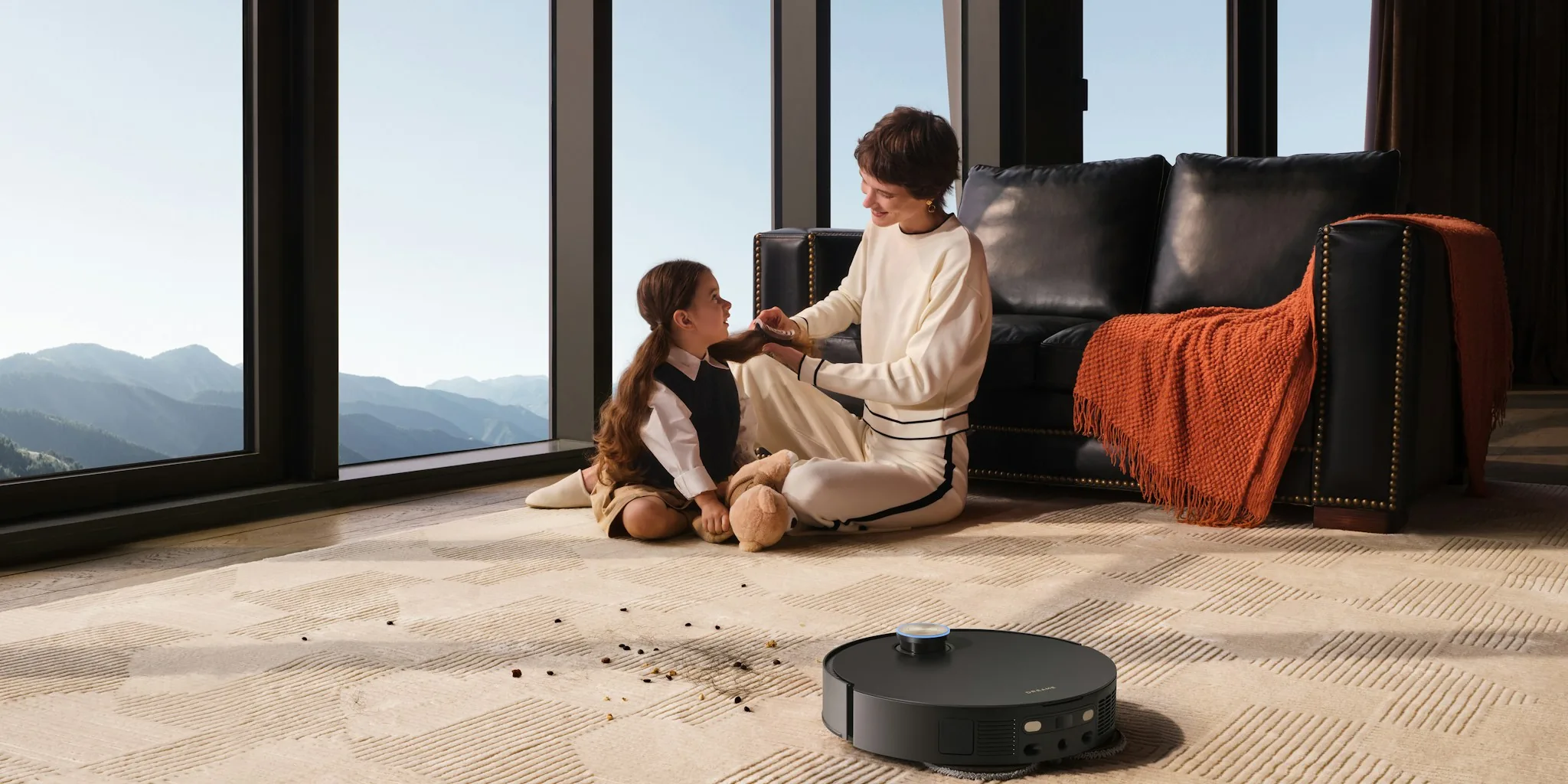

Vacuuming is one of those household chores that never seems to end. The good news is that you don’t need to spend hours pushing your vacuum around to achieve excellent results. The real secret to cutting your cleaning time in half comes down to working smarter, not faster, and ensuring your vacuum operates at peak efficiency.
Whether you own one of the best cordless vacuums for every budget or a traditional corded model, these seven actionable techniques will transform your vacuuming routine and help you maintain cleaner floors with less effort.
1. Prepare Your Vacuum Before Each Session
The foundation of efficient vacuuming starts before you even power on your machine. Spend a few minutes performing basic maintenance that directly impacts suction and performance. Clear any tangled hair from the brush roll, wash and fully dry the filter according to your manufacturer’s guidelines, and inspect your hose and wand for blockages. These quick checks take only a few minutes but dramatically improve how effectively your vacuum picks up dirt and debris. A well-maintained vacuum works harder and faster, which means you finish your job sooner.
2. Start at the Back of the Room
Think of vacuuming the same way you would use a wet mop: you want to avoid going over the same spot twice and never draw clean dirt back over areas you’ve already finished. The best approach is to start at the back corner of the room furthest from the door. Work your way across the entire back wall, then progress toward the front. This methodical pattern prevents you from accidentally vacuuming yourself into a corner and ensures you don’t miss any spots while staying organized throughout the process.
3. Use the W-Pattern Crosshatch Technique
One of the most effective vacuuming methods involves creating a W-shaped pattern across your floor, starting from that back corner. Move your vacuum in a W motion across the space, then rotate 90 degrees and repeat in the opposite direction to create a crosshatch effect. This technique provides excellent coverage because the multiple angles agitate the floor thoroughly. The result is that your floors stay cleaner longer, meaning you won’t need to vacuum as frequently overall. This method works on all floor types, though the pattern is most visible on carpet.
4. Slow Down for Better Results
While it might seem counterintuitive when your goal is to finish faster, rushing your vacuuming actually works against you. When you move too quickly, your vacuum doesn’t have time to pick up hidden dirt and debris, which means you’ll need to go over the same areas again later. Taking a deliberate, steady pace allows your machine to capture everything on the first pass. The extra minute or two spent going slowly now saves you significant time in the long run because you won’t need to revacuum problem spots or clean your home as often.
4. Empty Your Dustbin Regularly
Many people wait until their vacuum’s dustbin is completely full before emptying it, thinking this maximizes efficiency. This approach actually reduces your vacuum’s performance. A full dustbin restricts airflow, which decreases suction power and forces your vacuum to work harder and less effectively. Instead, empty your dustbin when it reaches about 50 to 70 percent capacity. This simple step takes just a few seconds and immediately restores your vacuum’s suction power, allowing it to clean more effectively and help you finish faster.
6. Choose the Right Vacuum for Your Needs
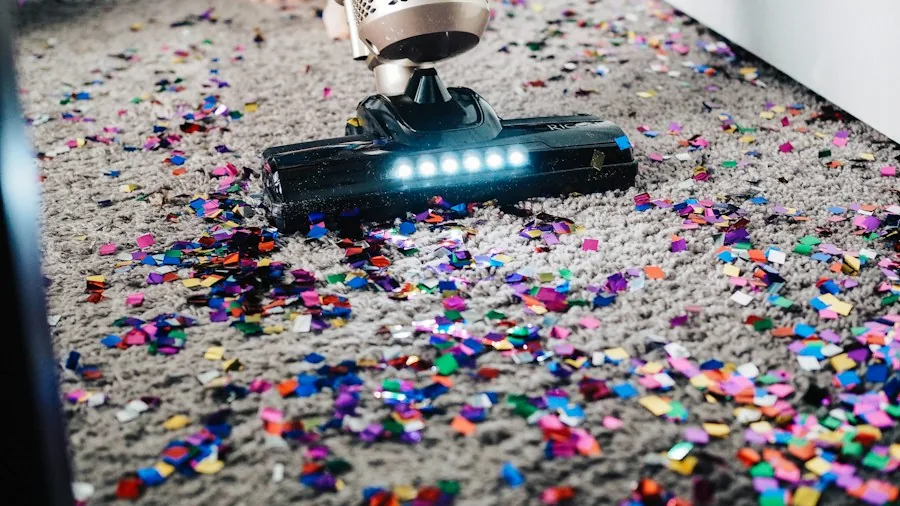
Your vacuum type matters significantly when it comes to speed and efficiency. If you have pets, the best vacuums for pet hair include specialized features that capture stubborn fur more effectively than standard models. Cordless vacuums offer convenience and allow you to move quickly between rooms without managing cords. Consider your home’s specific needs, floor types, and any particular challenges like pet hair or high-traffic areas when selecting your machine.
7. Maintain a Consistent Cleaning Schedule
Staying ahead of dirt accumulation keeps each vacuuming session faster and easier. Daily or every-other-day spot cleaning for high-traffic areas, combined with weekly full-home vacuuming, prevents dirt from building up and becoming harder to remove. Establishing a routine means you’re never starting with heavily soiled floors, which translates to quicker, more satisfying cleaning sessions every time.
By combining these techniques, you’ll discover that vacuuming doesn’t have to consume your afternoon. Focus on maintaining your equipment, using efficient movement patterns, and cleaning consistently rather than frantically rushing through the job. The result is a cleaner home and significantly less time spent pushing your vacuum around.



Write Your Review
No reviews yet. Be the first to share your experience!