
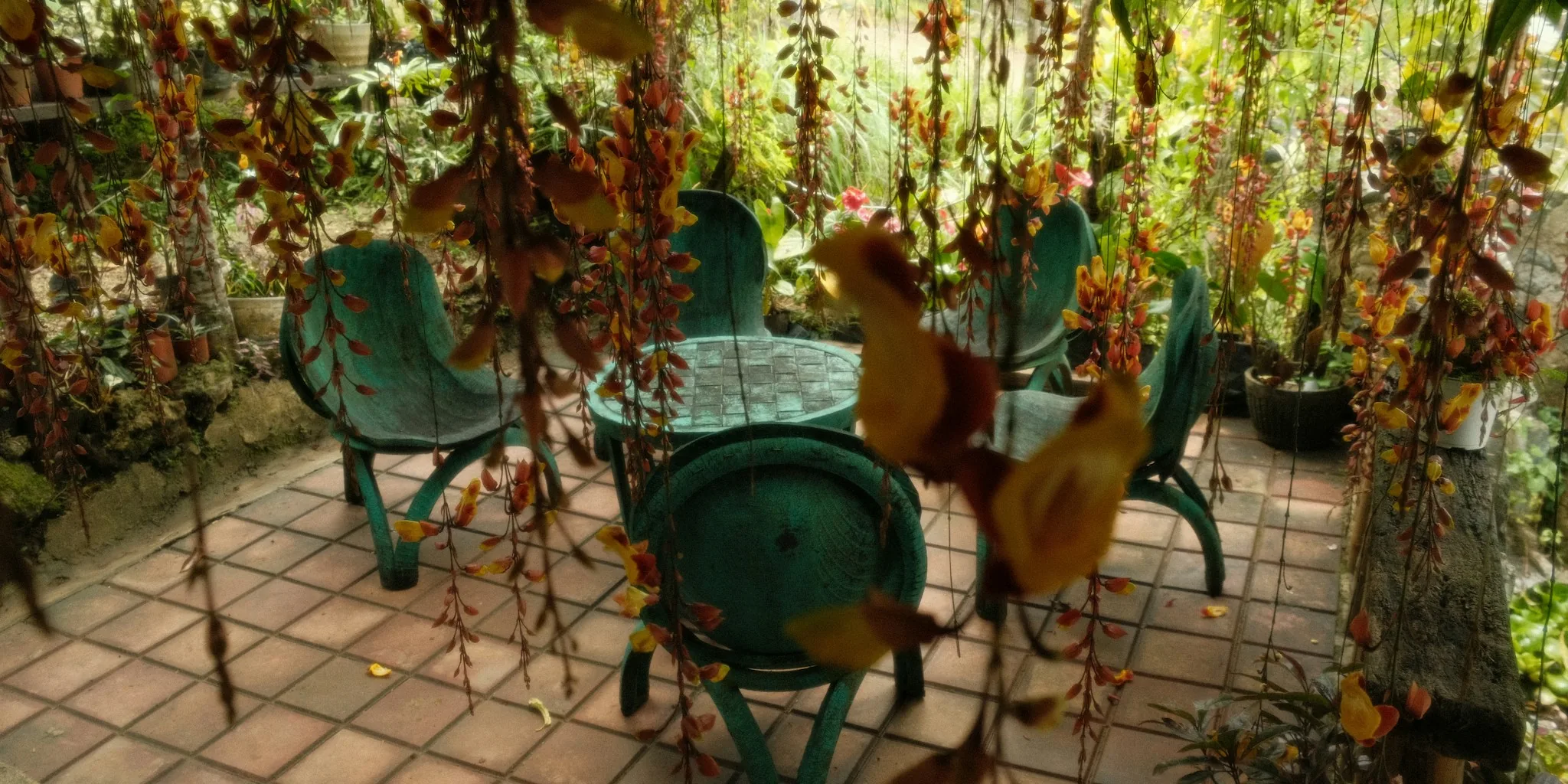

A shady garden doesn’t have to feel dark and uninviting. With the right design strategies and plant choices, you can transform even the gloomiest north-facing yard into a luminous retreat where you’ll love spending time. Landscape designers have perfected techniques to brighten shadowy spaces, and you can apply these same approaches to your own plot.
1. Choose Pale-Colored Pavers to Reflect Natural Light
One of the simplest ways to brighten a shady garden is selecting lighter materials for hardscaped areas. Light-colored pavers, pebbles, and stepping stones in soft gray, sand, buff, and cream tones reflect whatever sunlight reaches your garden. Porcelain and limestone alternatives work particularly well because they bounce light around the space, making it feel larger and more open.
Upgrading your patio doesn’t require tearing everything out. You can carefully lift existing dark pavers and replace them with lighter versions of the same size. This preserves your base structure while refreshing the look, and you can recoup costs by selling the old materials online.
2. Layer Large-Leaved Plants in Vibrant Green Tones
Start your shade garden design with foliage-first plants as your foundation. Ferns, hostas, and Fatsia japonica are workhorses in low-light conditions and come in varieties with bright, eye-catching greens that naturally lift dark corners. Look for plants with variegated leaves in cream or lighter shades, which catch whatever light filters through and add visual interest without requiring direct sun.
Layered planting creates depth and an immersive feel while softening the hard edges that shady gardens sometimes have. This trending approach among professional designers works beautifully when you intentionally choose complementary foliage colors and textures.
3. Add White-Blooming Flowers to Brighten Borders
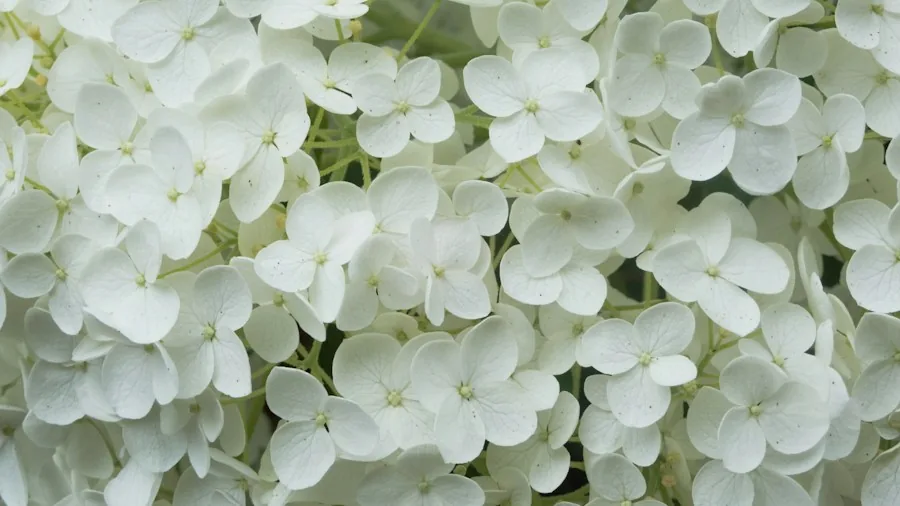
While shade limits flowering options compared to sunny gardens, plenty of shade-tolerant bloomers exist. White flowers are especially valuable because their pale petals naturally draw the eye and brighten gloomy spaces. Hydrangeas are one of the most reliable choices, offering abundant blooms throughout summer and fall in partial shade. Compact dwarf varieties work well in smaller yards while still delivering that luxurious impact.
4. Use a Planting Repeat to Create Visual Flow
Landscape designers know that repeating key plants in groups of three, five, or seven creates continuity throughout a garden. Choose three unfussy plants that tolerate partial shade, then repeat them across your yard. In deeper shade zones, swap in full-shade lovers, and in sunnier pockets, introduce sun-preferring varieties. This technique links different light conditions seamlessly rather than creating stark contrasts.
5. Map Sunny Microclimates for Accent Plants
Most vibrant plant colors require full sun because intense pigmentation demands substantial energy from photosynthesis. Rather than fighting this, map your garden’s light patterns to identify prime sunny spots. Do a simple sketch from an upstairs window and mark shadow patterns every two hours throughout the day. These micro-zones are perfect locations for colorful accent plants that landscape designers love but most homeowners can easily maintain.
A simple tool like a digital light meter helps pinpoint these ideal spots with precision, taking the guesswork out of placement.
6. Incorporate Reflective Water Features and Mirrors
Water acts as a natural mirror, reflecting sky and surrounding foliage to create the illusion of increased light. A small pond or raised garden feature with water adds depth and brightens shaded areas significantly. For a budget-friendly alternative, strategically positioned garden mirrors on walls or fences reflect sunlight across the space and make your garden feel noticeably larger.
Reflective gazing balls tucked into planting beds capture light in a subtle, decorative way that enhances rather than dominates your design.
7. Position Solar Lights to Highlight Key Plants
Strategic garden lighting works wonders in shady spaces, especially during evening hours. Solar uplights positioned beneath sculptural plants like Japanese maples or ornamental grasses emphasize their architectural forms. Choose warm-toned lights over harsh white options for a softer, more welcoming ambiance. Place solar lights where they’ll receive sun charge during the day, typically in gaps between trees or on south-facing edges.
8. Paint Boundaries in Light, Neutral Shades
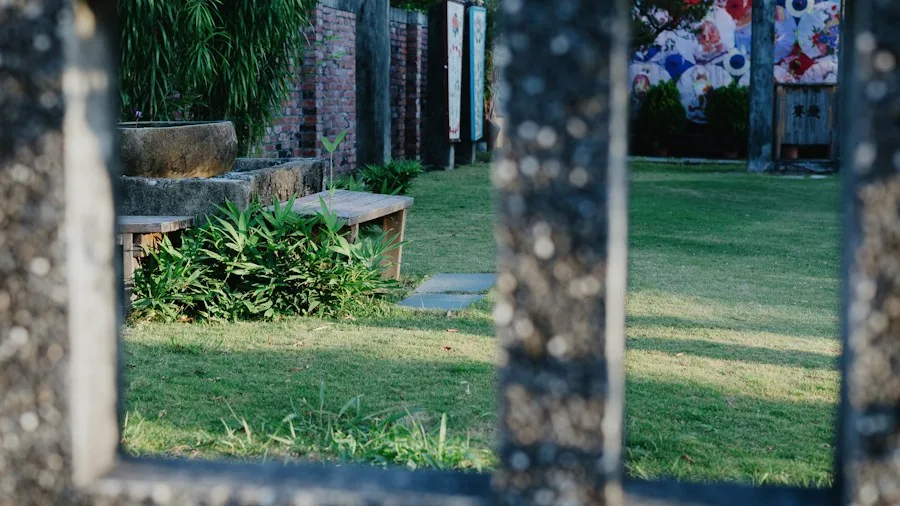
One of the most cost-effective upgrades is repainting boundary fences and walls in pale neutrals. Light gray, cream, buff, soft sage, and willow green instantly brighten a shaded garden without any planting changes. Satin finishes bounce light better than matte, so choose satin exterior paint for maximum brightness. Soft fence landscaping softens large painted expanses and adds visual interest.
9. Fill Containers with Shade-Loving Plants
Container gardening offers flexibility in shady yards. Hydrangeas, hostas, ferns, and ornamental sedges all thrive in pots positioned in low-light areas. The advantage of containers in shade is reduced watering needs and longer-lasting flowers compared to sun-exposed plants. You can easily rotate seasonal displays or move pots to follow subtle light shifts throughout the year.
Shade-garden containers also look lovely clustered on patios. Browse options for quality gardening tools that make maintaining containers easier, from gloves that protect your hands while planting to pruners for deadheading spent blooms.
A north-facing garden is not a limitation but an opportunity. By implementing these designer strategies, you’ll create a lush, bright outdoor space that rivals any sunny plot. Start with one or two techniques, then gradually build your transformed shade garden into the retreat you’ve always wanted.





Write Your Review
No reviews yet. Be the first to share your experience!