


Fall is the ideal time to expand your garden without breaking the bank. Taking cuttings in October gives you a cost-effective way to multiply your favorite plants and create new specimens for next spring’s growing season. The timing works in your favor because the current season’s growth has matured enough to withstand the propagation process better than softer spring or summer growth.
Why October Is the Perfect Time for Plant Cuttings
When you take cuttings during fall, you’re working with semi-hardwood stems that have developed a tougher exterior layer. This mature growth is far more resilient to drying out compared to the tender, softwood cuttings you might take during summer months. The stems have also accumulated concentrated growth hormones at their tips, which speeds up the rooting process. Five plants that respond exceptionally well to fall propagation are lavender, rosemary, fuchsia, holly, and boxwood, meaning you can clone existing garden specimens into brand new plants at virtually no cost.
The Step-by-Step Cutting Process
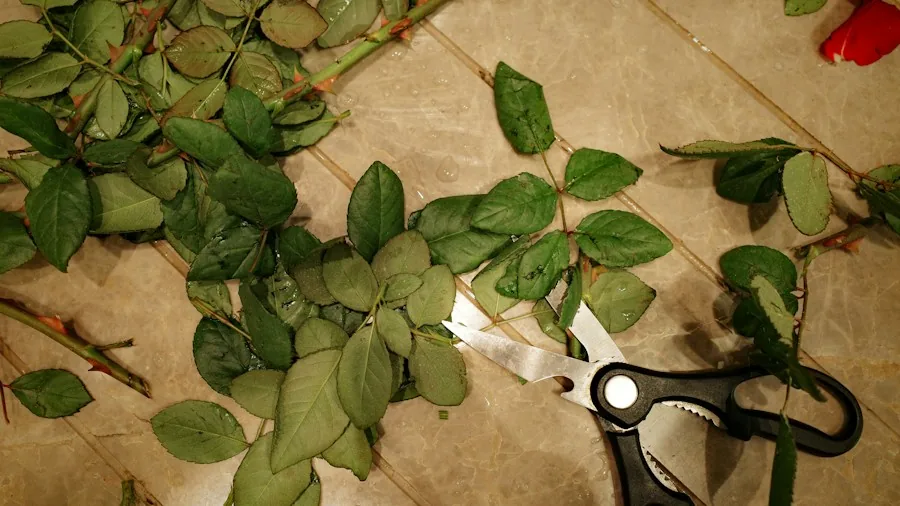
Choose Your Stems Carefully. Start by selecting a healthy stem from your chosen plant. Look for recent growth that has firmed up but remains flexible, not completely woody. A good test is to bend the stem gently; if it snaps with a clean break, it’s ready. Avoid stems with flowers, and aim for cuttings about 4 to 6 inches long, preferably from the top of the plant where growth hormones concentrate.
When you make your cut, use a quality tool like sharp bypass pruning shears positioned just below a leaf node, where a leaf joins the stem. Clean, precise cuts are essential because crushing or bruising the stem tissue is one of the main reasons cuttings fail to root. Always remove the lower leaves from your cutting, keeping only a few leaves at the top.
Prepare Your Rooting Medium. Fill a small pot with sterile, well-draining rooting medium or soil-less propagation mix. Use a pencil to create a small hole, then insert about 1 to 1.5 inches of your cutting into the medium, cut end first. At minimum, one bare leaf node must be submerged in the mix to encourage root development, but no foliage should sit below the soil surface.
Optional rooting hormone can speed success with certain plants, but it is not always necessary. What matters most is proper moisture and humidity levels throughout the rooting period.
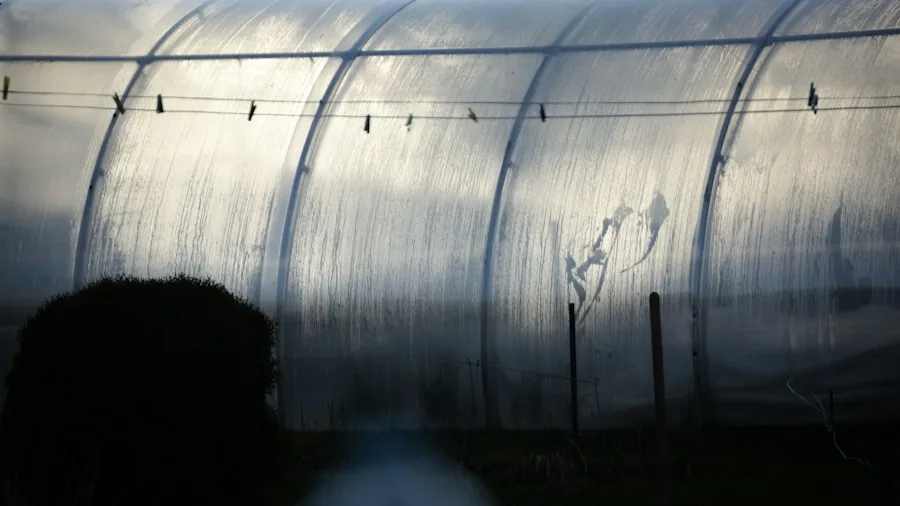
Create a Mini Greenhouse Environment. After firming the soil around your cutting and watering gently to settle the medium, place a clear plastic bag over the pot to trap moisture and create humidity. A resealable sandwich bag works well for this purpose. Position your setup in a spot with bright, indirect light away from cold drafts. The plastic covering maintains the moisture your cutting needs while it’s supporting leaves but has no roots yet to draw up water. Every few days, mist the leaves or wipe away any excess condensation if needed.
Monitoring Progress and Hardening Off
Within a few weeks, you should see fresh leaves beginning to unfold, indicating that roots have developed. If you do not see new growth after about a month, gently tug the stem upward; resistance means roots are forming. A successful cutting will look firm and plump, while a failed one starts to shrivel.
Once you confirm rooting has occurred, begin the hardening-off process gradually. Snip off the corners of the plastic bag to let fresh air in, then remove a bit more the following day, and take the bag off entirely on the third day. Continue watering your young plant through winter and keep it ready to plant outside when spring arrives.
Five Plants That Root Easily in October
Rosemary and Lavender: Both propagate readily from semi-hardwood cuttings in fall. Choose flexible, non-woody stems and use very well-draining rooting mix since neither tolerates soggy conditions. In milder climates, you can keep these outdoors in a sheltered, bright location; otherwise, move them indoors for winter.
Fuchsia: Most fuchsias are hardy in zones 6 through 11, but taking cuttings and keeping them indoors during winter provides insurance against winter loss. Root cuttings from healthy, non-flowering stems in quality propagation mix.
Boxwood and Holly: These evergreens respond well to semi-hardwood cuttings, and propagating them now saves significant money on spring landscaping costs. However, these cuttings take longer to develop roots, so patience is essential. Take more cuttings than you think you need because not all will succeed. Overwinter your new plants indoors in indirect light with good humidity rather than planting them outside before cold weather arrives. When you are ready to landscape, raised beds provide excellent options for displaying your new specimens in spring.
Final Tips for Success
October propagation demands more time and patience than spring or summer methods, but the results are worth it. If you have any doubts about cold tolerance in your area, keep all cuttings and young plants indoors throughout winter and transplant them outside only after temperatures warm in spring. This strategy ensures your new plants are established and hardy before facing outdoor conditions.





Write Your Review
No reviews yet. Be the first to share your experience!