
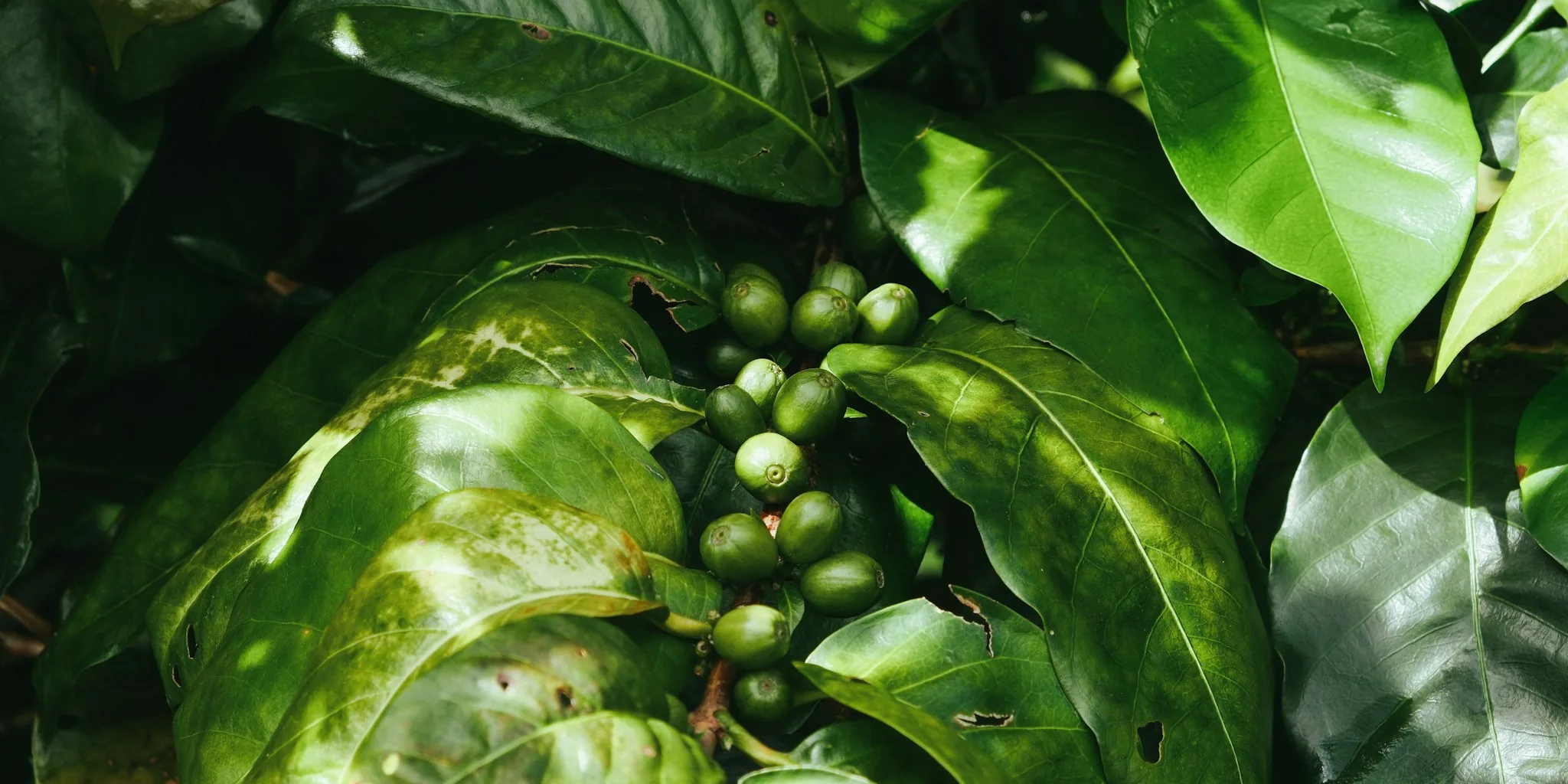

For centuries, the Yemeni port of Mocha was the world’s coffee epicenter. The bustling harbor exported beans cultivated in Yemen’s highland terraces to markets across Europe, Asia, and beyond, becoming so legendary that the city’s name became synonymous with the beverage itself. Today, that same strategic location is disrupting global coffee supplies in ways that directly affect what you pay at the grocery store and what’s available on shelves.
Since late 2023, Houthi attacks on vessels in the Red Sea have created a shipping crisis that reshapes how coffee reaches American and European consumers. Rather than sailing through the Suez Canal to reach the Red Sea, many cargo ships now take an expensive 11,000-kilometer detour around the southern tip of Africa. This rerouting adds weeks to delivery times and significantly increases transportation costs, pressures that ripple through the entire supply chain.
The ripple effects are already visible in coffee aisles and cafes. European drinkers are shifting away from lower-cost Robusta blends toward higher-quality whole Arabica beans, choosing to drink less but enjoy better quality. Industry leaders like the head of Italian coffee manufacturer Lavazza have publicly warned that supply chain pressure is mounting rapidly. These changes suggest American consumers may soon face similar choices: pay more for premium options or accept reduced availability of familiar products.
From Monopoly to Modern Conflict
Understanding how Yemen came to control this vital shipping corridor requires looking back centuries. From the 16th through 18th centuries, Mocha was the exclusive gateway for virtually all the world’s coffee. The Arabica plant, native to Ethiopia, was first commercially cultivated in Yemen’s terraced highlands. Sufi religious orders drank coffee to stay alert during nighttime prayers, while Portuguese sailors adopted it to maintain focus on new maritime trade routes. The beverage spread through the Ottoman Empire and into Europe, always carrying Mocha’s name with it.
Yet Mocha’s dominance could not survive the age of colonial expansion. Dutch merchants smuggled a coffee plant from Mocha in 1616, eventually cultivating it on Java in the Indonesian archipelago by the 1690s. A cutting from Amsterdam’s botanical garden eventually produced descendants that crossed the Atlantic to Martinique and reached Brazil by 1727. Within a century, stolen seeds had destroyed Mocha’s monopoly. Silt clogged its harbor, and the British development of nearby Aden in 1839 ended its status as a major trading hub. The once-thriving port became a quiet fishing village as coffee prices collapsed under competition from colonial plantations.
Ecological Collapse and Modern Instability
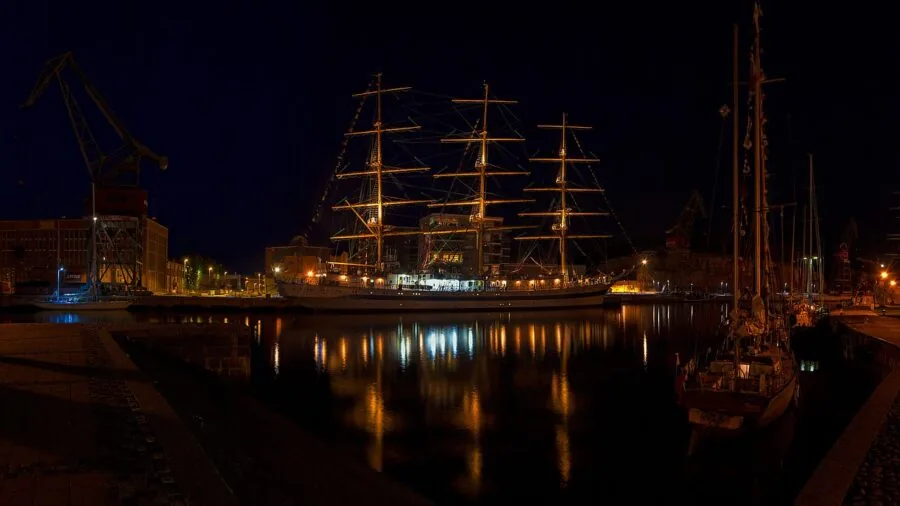
When coffee stopped generating wealth, Yemeni highland farmers turned to a different crop: qat, a mildly narcotic leaf chewed throughout Yemeni culture but impossible to export profitably due to its rapid loss of potency. This shift proved catastrophic. Qat cultivation now consumes over 40 percent of Yemen’s renewable water resources in a country already drawing groundwater at twice the rate it naturally replenishes. Wells around the capital Sana’a must now be drilled hundreds of meters deep, and water experts forecast the city will become the world’s first capital to run completely dry.
This ecological collapse directly enabled the rise of the Houthis. The militant group emerged from the impoverished north and the city of Sa’ada during the 2000s, drawing strength from a countryside of failing farms, dying wells, and young men with no stake in an agricultural system that had already collapsed. While the Houthis’ grievances are primarily political, the terrain they conquered was prepared by environmental exhaustion. They inherited the geographical advantage that once made Mocha wealthy: control of the Bab el-Mandeb strait, a narrow waterway at the Red Sea’s entrance between Yemen and Djibouti.
What This Means for Your Coffee
The current shipping crisis means coffee prices will likely rise in the coming months. When you shop for coffee makers and brewing equipment, expect higher costs for imported beans as freight expenses increase. Consumer preferences are already shifting, with specialty and premium blends gaining share as people trade quantity for quality.
There is hope for recovery. UN agencies are funding a






Write Your Review
No reviews yet. Be the first to share your experience!