
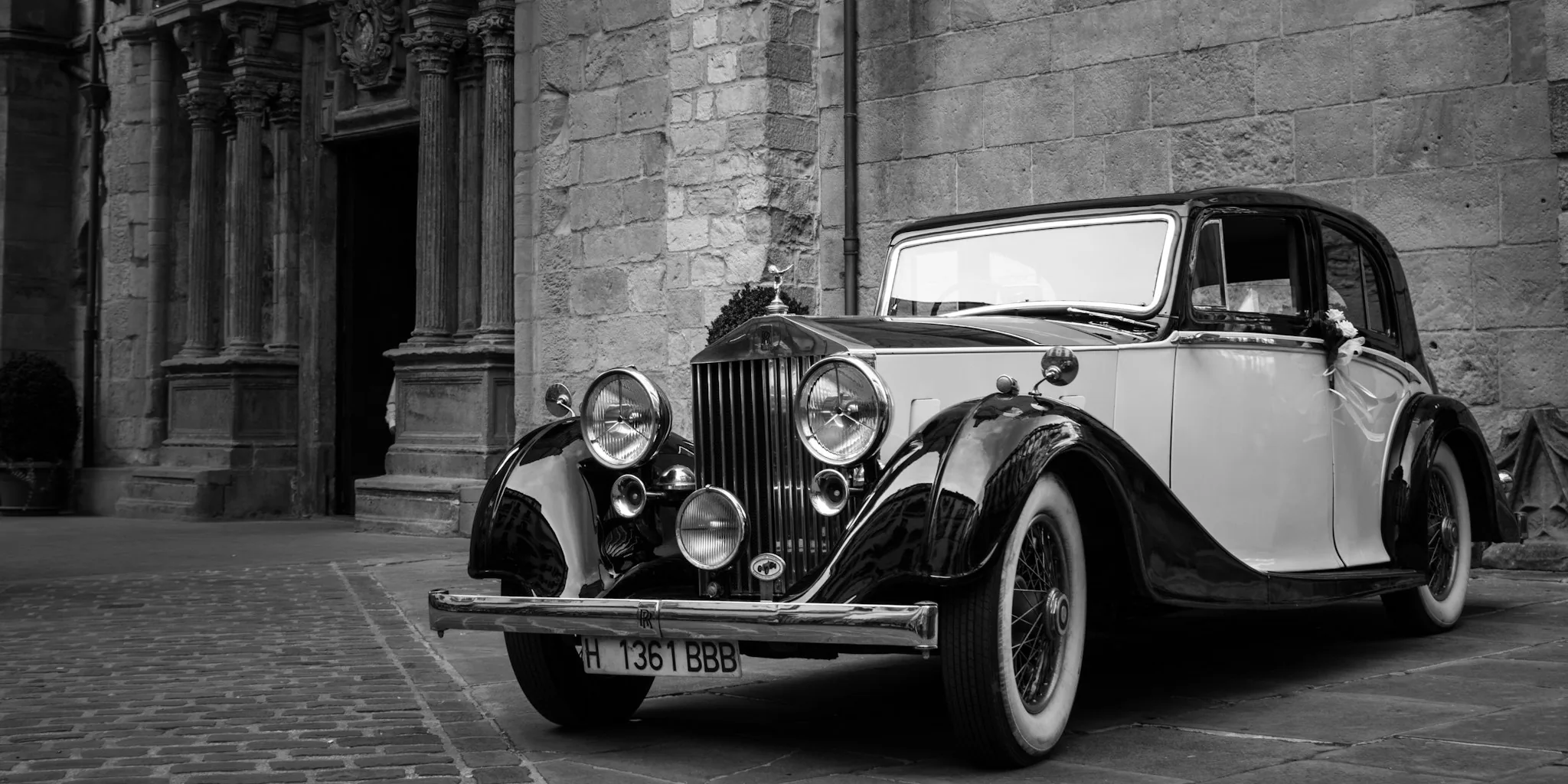

What the 1977 Chrysler Cordoba Represented in the Automotive Market
The 1977 Chrysler Cordoba stands as one of the most iconic examples of the personal luxury car movement that dominated the American automotive landscape during the 1970s. This two-door coupe embodied the design philosophy and consumer preferences of that era, when buyers prioritized comfort and distinctive styling over sporty performance. Understanding what made this car special helps today’s consumers appreciate how vehicle design priorities have shifted over the past several decades.
The Cordoba’s formula was straightforward but highly appealing to its target market. It featured a long hood, an intermediate-size chassis, and a two-door configuration that gave it a sleek, commanding presence on the road. The vehicle’s proportions were carefully balanced to convey elegance rather than aggression, a stark contrast to the high-performance muscle cars that had been popular just years earlier.
Distinctive Design Features That Set It Apart
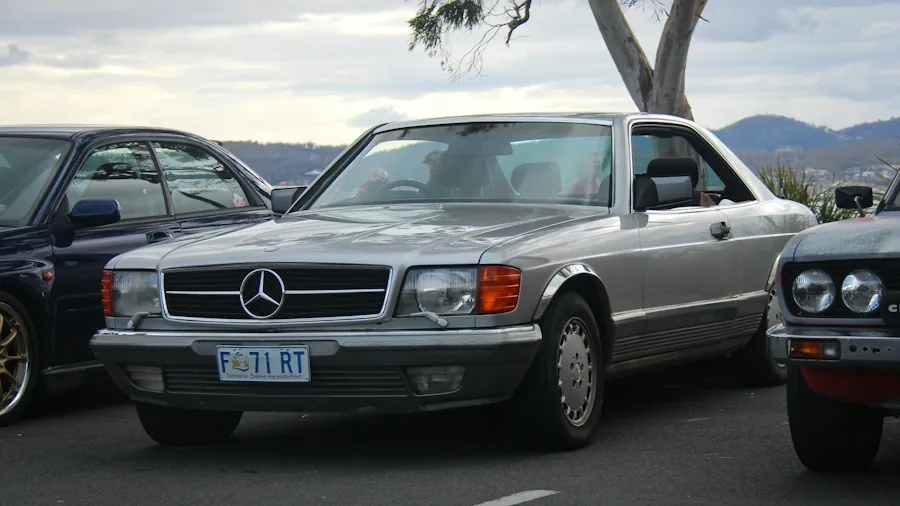
The 1977 model year Cordoba showcased styling elements that were instantly recognizable and intentionally different from other vehicles in the Chrysler lineup. The front end design was particularly distinctive, with a unique character that made it stand out in parking lots and on highways. These visual differentiators were crucial for a personal luxury vehicle, as buyers of this segment valued individuality and status recognition.
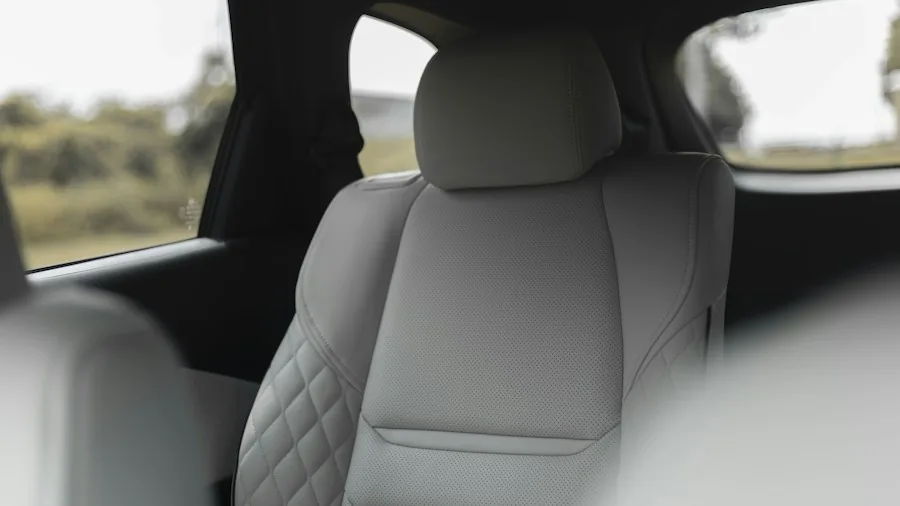
Interior design was equally important to the Cordoba’s appeal. The cabin featured plush velour seats that communicated luxury and comfort to occupants. Rather than promising sportiness or agility, the interior design made no apologies for prioritizing a smooth, cushioned driving experience. The soft furnishings and generous padding throughout the cabin set the tone for leisurely cruising rather than spirited driving.
Practical styling features included tiny, non-opening side windows and a rear vinyl top, both typical of the personal luxury car genre. These elements contributed to the vehicle’s distinctive appearance and reinforced its positioning as a premium product. Buyers understood they were making a statement about their taste and lifestyle when they chose a Cordoba.
What This Means for Understanding Modern Car Shoppers
For today’s car shoppers, the Cordoba represents an important historical moment when automotive preferences were dramatically different. The 1970s personal luxury car market valued comfort, distinctive styling, and conspicuous luxury over fuel efficiency, technology, and dynamic handling. Modern buyers benefit from understanding this shift because it explains why today’s vehicles prioritize features like advanced infotainment systems, improved fuel economy, and active safety technology.
The Cordoba’s emphasis on soft, cushy seating and a cocoon-like interior environment speaks to an era before smartphones, satellite navigation, and entertainment streaming made driving less about the journey itself. Contemporary vehicles often incorporate features like car phone mounts for safer device placement and charging solutions for extended trips because modern driving involves constant connectivity.
Today’s market has also become more diverse in its vehicle preferences. Where the 1970s favored large two-door coupes with distinctive personal styling, today’s consumers spread their choices across sedans, crossovers, electric vehicles, and trucks. The personal luxury coupe market has largely disappeared, replaced by premium luxury sedans and crossovers that offer more practicality alongside refinement.
The Evolution of Comfort and Luxury
The Cordoba taught automotive manufacturers valuable lessons about what luxury actually means to consumers. While the velour seats and soft suspension were comfortable for relaxing drives, they didn’t provide the comprehensive comfort solutions that modern vehicles offer. Today’s luxury cars combine plush seating with lumbar support adjustments, climate control zones, massage functions, and memory settings that the 1977 Cordoba could never provide.
Beyond seating, modern luxury vehicles offer numerous amenities that reflect contemporary priorities. Ambient air freshening solutions have become a standard part of the luxury experience, allowing drivers to customize their environment. Technology integration, which was nonexistent in 1977, now defines the luxury car experience through premium audio systems, large touchscreen displays, and wireless device integration.
The personal luxury car segment’s decline reflects broader changes in how Americans prioritize vehicle spending. SUVs and crossovers have captured the market share that personal luxury coupes once dominated, offering families more utility without sacrificing comfort or style. This evolution shows that



Write Your Review
No reviews yet. Be the first to share your experience!