

A beloved actor from the 1990s has opened up about the unexpected challenges of raising two young sons and what she’s learned about intentional living in her mid-40s. In a recent interview, she discussed how parenting has forced her to confront her own flaws and reshape the way she approaches wellness and self-care.
The Self-Parenting Challenge Every Parent Faces
One of the most surprising aspects of raising children, according to the interview, is how quickly kids mirror their parents’ habits and mindsets. When parents see their flaws reflected in their children’s behavior, it creates an unexpected teaching moment that works both directions. Raising sons to stand against peer pressure and other challenges requires parents to first examine themselves.
She described noticing how her oldest son has absorbed her perfectionism, which she acknowledges has been painful to witness. Rather than simply trying to stop him from being hard on himself, she realized she needed to model self-compassion. Every mistake she makes, she now views as a teaching opportunity for her children. This shift in perspective has helped her become kinder to herself while also setting a better example for her kids.
Wellness Beyond Trends and Quick Fixes

After dealing with a health scare, this mother of two completely rethought her approach to wellness. She no longer bounces between different health trends. Instead, she’s developed a clear routine that centers on intention and consistency.
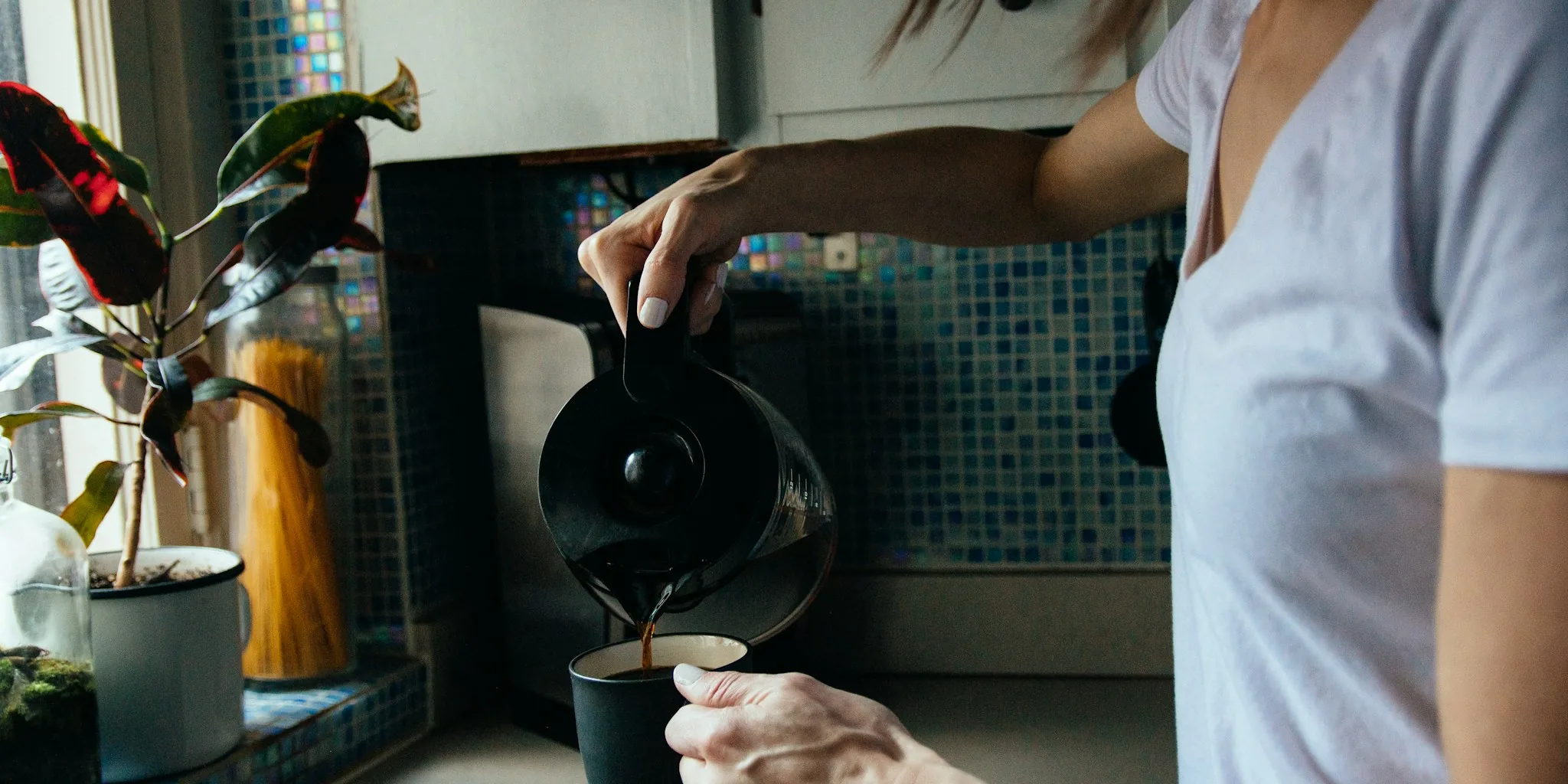
Her day begins at 5:30 or 6 a.m., well before her children wake up. This quiet time is non-negotiable. She starts with fiber supplementation and her medications, then enjoys coffee and silence. She emphasizes that this early morning ritual is about more than physical health: it’s about mental clarity before the day’s demands begin. She uses this time to accomplish something on her wellness checklist before her kids even wake up, which creates a sense of accomplishment and sets a positive tone.
Weight training has become central to her fitness routine, replacing endless cardio sessions she never truly enjoyed. She notes that lifting weights has made her feel genuinely stronger in her body, not just exhausted. This shift in exercise philosophy ties directly to nutrition: she now prioritizes adequate protein intake to support her strength training and overall health goals. Intentional parenting starts with intentional self-care, and that includes fueling your body properly.
Body Image and Teaching Kids Acceptance
Growing up in the public eye during the 1990s meant navigating strict and unrealistic beauty standards. She didn’t fit the thin aesthetic that dominated that era, which was isolating. However, she points out that social media didn’t exist then, so she at least was spared from seeing constant negative commentary about her appearance online.
With her own children, she’s taking a deliberate approach to body image discussions. She’s teaching them that all bodies are different, acceptable, and beautiful. More importantly, she emphasizes not commenting on other people’s bodies at all. Her goal is for her children to understand that bodies exist to be capable and strong, not to be judged or critiqued. Today’s parents navigate body image differently than previous generations, with increased awareness of how such discussions affect child development.
What Shoppers Can Learn
For parents shopping for their families, this celebrity’s insights offer practical takeaways. Wellness isn’t about following the latest trend or pushing yourself with extreme routines. It’s about understanding what works for your body and prioritizing consistency. Starting the day with quiet time before children wake up isn’t a luxury: it’s a foundational wellness practice that many busy parents overlook.
Additionally, parents should consider how their own habits and mindsets will influence their children. When shopping for health products, fitness equipment, or nutritional supplements, think about whether your choices align with the values you want to model for your kids. Intentionality in self-care isn’t selfish; it’s essential modeling for the next generation.



Write Your Review
No reviews yet. Be the first to share your experience!