
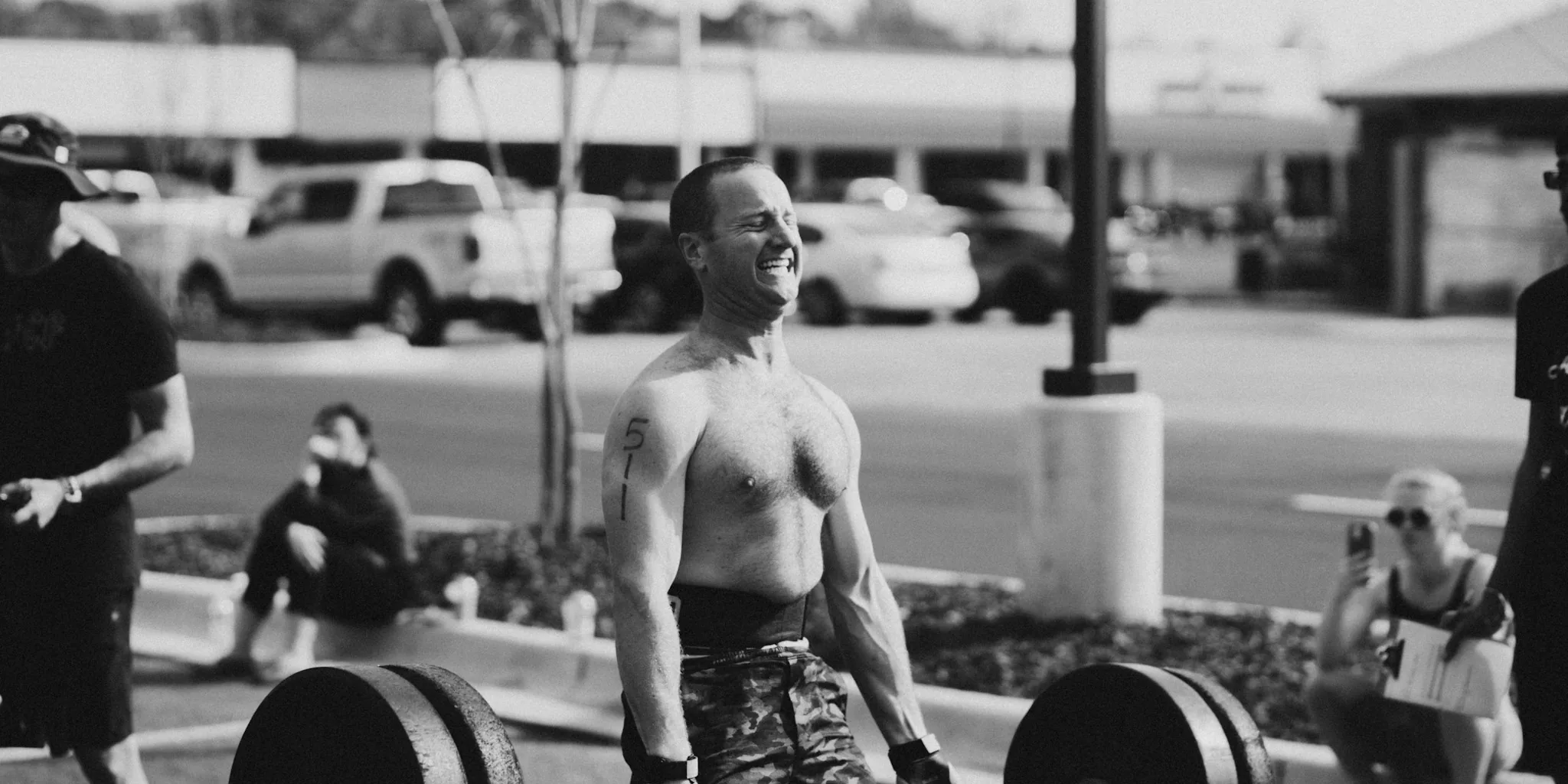

Building and maintaining muscle after age 50 is absolutely achievable, but it requires a shift in strategy. Fitness professionals and coaches who have successfully maintained their physiques into their fifties emphasize that the key is training smarter rather than simply pushing harder. For shoppers looking to invest in fitness equipment and programs, understanding these age-appropriate strategies can help ensure your purchases align with what actually works for mature athletes.
Training Smarter, Not Harder
The fundamental principle for fitness after 50 centers on controlled, purposeful training. As fitness coaches point out, strength naturally declines with age, but this doesn’t mean progress stops. In fact, even those starting their fitness journey from scratch at 50 can experience rapid gains in their first months of training. The difference lies in how you approach your workouts.
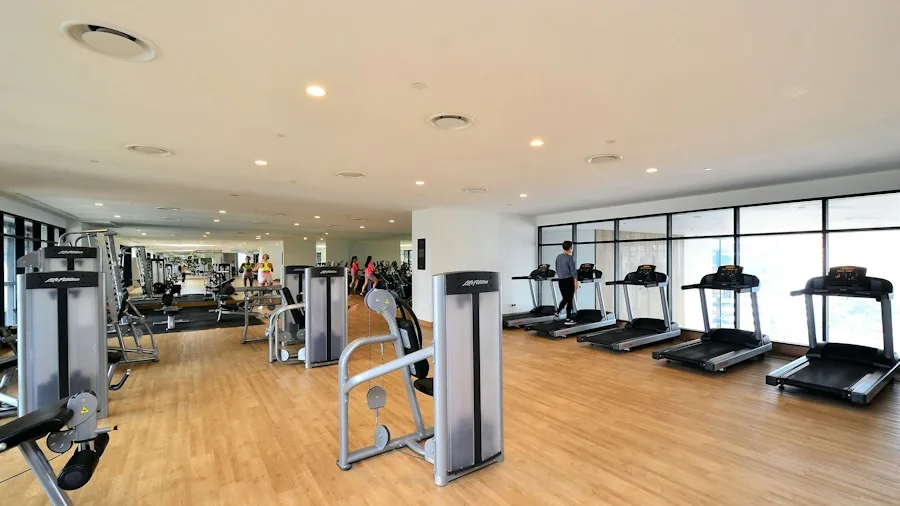
One major adjustment involves equipment selection. Many experienced trainers have shifted from free weights to machine-based training because machines offer more controlled movement patterns and safer resistance options. This transition doesn’t represent a downgrade in effectiveness, it’s simply a smarter way to engage target muscles while protecting joints and connective tissue that are more vulnerable to injury. Shoppers investing in home gyms or gym memberships should recognize that the latest adjustable dumbbells and barbells aren’t always the best choice for every age group and experience level.
Finding Your Actual Training Limits
A critical error many people make when training after 50 is basing workouts on what they used to do or what they think they could do on an exceptional day. Instead, fitness experts recommend establishing your genuine current limits, then reducing that weight by approximately 10 percent. This approach prevents injury while still providing sufficient stimulus for muscle growth.
The specific rep ranges and exercise selection should be tailored to individual movement capabilities and joint health. For instance, one exercise physiologist finds that performing 8 to 15 repetitions on compound movements like hack squats provides optimal muscle-building stimulus while minimizing injury risk, compared to attempting just 5 very heavy repetitions. However, this approach may vary by exercise and individual preference. Some lifters perform better with heavier loads on pressing movements while using moderate weights on lower body exercises.
Injury Prevention as Priority
Shoulder injuries are common among lifters of all ages, but they take longer to heal and cause more complications as you age. Trainers who have dealt with shoulder injuries report switching their programming significantly. Using machines that guide movement paths and support proper alignment becomes increasingly important. This is why the proliferation of quality machine-based equipment has genuinely benefited the over-50 fitness community.
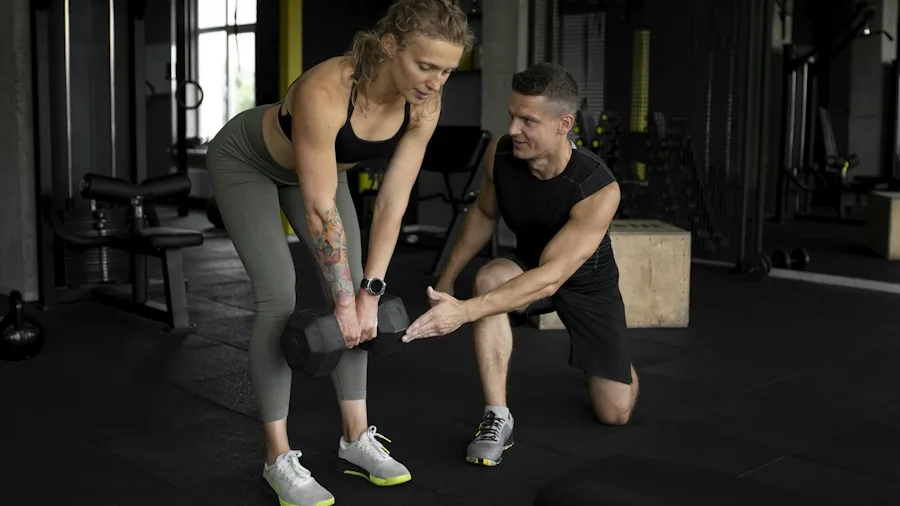
Beyond equipment selection, proper form execution matters more than ever. Taking time to fully engage the target muscle through each repetition, using controlled tempos, and avoiding ballistic or jerky movements all contribute to staying injury-free. Many shoppers assume that intensity always means heavy weight, but for this age group, intensity comes from controlled tension and proper execution.
Realistic Daily Commitment
Maintaining muscle after 50 doesn’t require hours in the gym daily. Fitness coaches emphasize that there is a realistic minimum amount of daily movement and nutritional attention needed to preserve muscle mass. This matters for shoppers evaluating fitness programs and supplements because it sets realistic expectations about time investment and results.
Experts also address supplement effectiveness at this stage of life. While many products promise dramatic results, only certain supplements have legitimate evidence supporting their muscle-building benefits. Shoppers should approach supplement marketing with healthy skepticism and focus on proven options rather than trendy formulations targeting older demographics.
What This Means for Your Fitness Investments
If you’re over 50 and considering fitness purchases, these insights should guide your decisions. Investing in quality machines or equipment that enables controlled movements typically provides better long-term value than high-end free weight setups. Consider that innovative training methods are evolving at all age levels, and what works for 25-year-olds may not be optimal for your needs.
Programs and coaching specifically designed for mature athletes offer better guidance than generic fitness content. Your training program should account for individual joint health, prior injuries, and movement capabilities rather than following age-generic templates. Similarly, fitness comebacks after setbacks require specialized knowledge about progression that goes beyond standard programming.
The bottom line: muscle building after 50 is real, achievable, and worth pursuing. But success requires purchasing equipment and following programs specifically suited to your age, experience, and injury history. By training within appropriate parameters, prioritizing injury prevention, and maintaining consistent effort, you can maintain and build muscle well into your fifties and beyond.






Write Your Review
No reviews yet. Be the first to share your experience!