


Mercedes-Benz has unveiled the cabin of its upcoming 2027 GLC EV, and the design signals a major shift in how the automaker approaches luxury electric vehicles. The interior emphasizes simplified controls, premium materials, and a focus on the digital experience, setting expectations for what buyers can anticipate from the company’s growing EV lineup.
The Hyperscreen Dominates the Cabin
The standout feature is the optional 39.1-inch Hyperscreen, which replaces the traditional three-screen setup found in many modern vehicles. Instead of separate displays for instruments, climate, and infotainment, Mercedes has consolidated everything under a single expansive glass panel. Buyers who opt for this feature will notice that the initial learning curve quickly gives way to intuitive operation, allowing drivers to focus on the road rather than wrestling with controls. As manufacturers across the industry continue to evolve EV cabin designs, this consolidated approach represents a meaningful evolution in passenger car technology.
Comfort and Customization Options
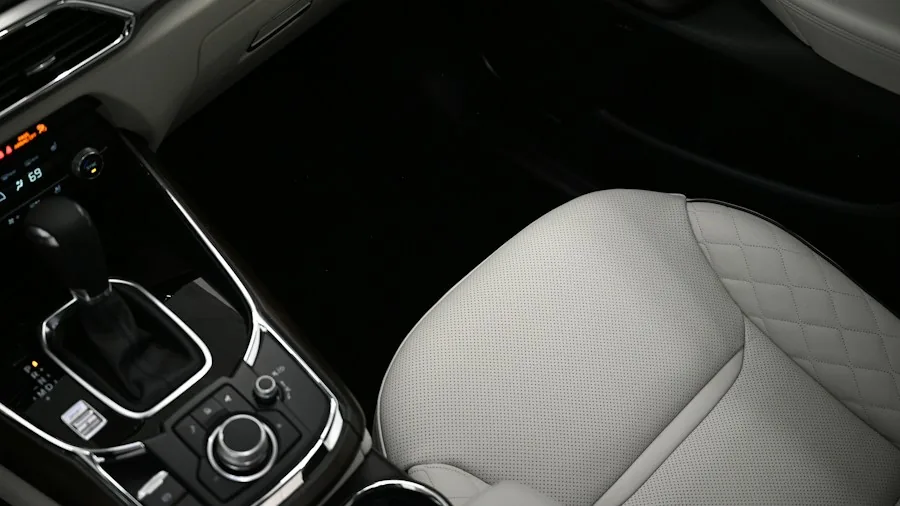
The seating in the 2027 GLC EV reflects Mercedes’ commitment to luxury even in its electric offerings. The seats provide substantial support and can be specified with genuine nappa leather or a certified vegan-alternative interior for buyers prioritizing sustainable materials. This dual approach allows different customer preferences without compromising quality or comfort during longer drives.
The center console further emphasizes choice and personalization. Buyers can select from open-pore wood trim, carbon fiber accents, or metallic finishes depending on their aesthetic preferences. Practical conveniences like dual wireless charging pads positioned forward of the cupholders indicate that Mercedes understands real-world EV ownership, where keeping multiple devices charged matters.
Streamlined Controls and Usability
The steering wheel maintains a familiar form factor but features substantially simplified controls. Rather than cramming numerous buttons and switches into the wheel rim, Mercedes has taken a minimalist approach that buyers will find both natural and practical. This shift toward clarity extends throughout the cabin and reflects a broader industry trend toward reducing driver distraction. Other manufacturers developing new EV models are similarly rethinking interior layouts to prioritize usability over complexity.
What This Means for EV Shoppers

The GLC EV interior design delivers several signals for potential buyers evaluating the electric vehicle market. First, premium automakers are taking EV cabins seriously, investing in cohesive design languages rather than retrofitting existing platforms. Second, the emphasis on optional luxury materials suggests that electric vehicles are becoming genuine lifestyle choices rather than purely practical purchases. Third, the technology integration is becoming more mature, with manufacturers balancing innovation with usability rather than overwhelming occupants with unnecessary features.
For shoppers considering an EV purchase in the near term, the 2027 GLC EV’s cabin represents what established luxury brands are prepared to deliver to the market. Meanwhile, the broader EV sector continues evolving rapidly, with different manufacturers targeting different buyer priorities, whether that means advanced autonomous features, performance capabilities, or, as in Mercedes’ case, refined interior environments.
The Bigger Picture
The reveal of this interior is part of a larger industry narrative in which traditional luxury automakers are aggressively competing in the EV space. Mercedes is signaling to buyers that switching to an electric vehicle does not require accepting lower quality or reduced customization options. The combination of the massive optional screen, genuine material choices, and thoughtful ergonomics suggests the brand views its EV customers as discerning buyers with high expectations.
As the EV market expands, consumers will increasingly encounter these kinds of design decisions and feature trade-offs. Understanding what various manufacturers prioritize in their cabin design helps buyers align their purchase with their values and actual usage patterns. The 2027 GLC EV interior demonstrates that the market for electric vehicles is maturing beyond early-adopter enthusiasts into a segment where traditional luxury expectations increasingly apply.






Write Your Review
No reviews yet. Be the first to share your experience!