


Why Fall Is Peak Dust Mite Season
As temperatures drop and homes seal up for the colder months, dust mite populations surge. According to allergy experts, autumn marks the perfect storm for dust mite proliferation. When central heating kicks in, indoor air initially traps humidity that accumulated over the summer, creating ideal breeding conditions. Simultaneously, the large dust mite population that thrived all summer begins to die off, releasing massive quantities of dried fecal allergen particles into the air just as people spend more time indoors with windows closed.
This seasonal spike is most pronounced in northern and midwest states where temperature swings are more dramatic, but anyone closing their windows against the autumn chill faces the same risk. If you suffer from allergies or asthma, understanding this seasonal pattern helps you take action before symptoms worsen.
The 2-Inch Mattress Rule Explained

The most effective way to reduce dust mites and allergens in your bed is to remove their food source: the dead skin cells, sweat, oils, and debris embedded in your mattress. Most people lose roughly 500 million skin flakes daily, and many end up in your bedding, creating a buffet for dust mites.
A light surface vacuuming won’t reach the allergens settled deep within mattress layers. That’s where the 2-inch rule comes in. This technique involves using your vacuum’s upholstery or brush attachment to compress your mattress surface down about two inches while slowly moving in overlapping circles or tight horizontal lines. The compression creates a temporary seal that draws out embedded dust and debris far more effectively than regular vacuuming.
This process takes 20 to 30 minutes for a queen-sized mattress, but it’s worth the effort. Not only does it reduce allergens, but it also removes dust mite fecal matter, which is the primary trigger of allergic reactions. When you’re coughing and sneezing, you’re actually reacting to mite waste, not the mites themselves.
Preparing Your Mattress and Choosing the Right Vacuum
Before starting, remove all bedding, pillows, and blankets completely. This is an ideal time to wash your sheets and blankets in water heated to at least 140 degrees Fahrenheit, which effectively kills dust mites and removes allergens. Open a window to allow air circulation and dust to escape during the cleaning process.
For an even deeper clean, sprinkle baking soda over the entire mattress surface and let it sit for 30 to 60 minutes. The powder absorbs moisture and odors, leaving your mattress fresher.
Most importantly, your vacuum must have a sealed HEPA filter. Without one, compressing the mattress can send micro-allergens back into your bedroom through the exhaust. If your current vacuum lacks a HEPA filter, consider investing in a handheld model designed for upholstery cleaning, which makes reaching corners and edges easier while giving you better control over the compression technique.
Additional Steps to Control Dust Mites
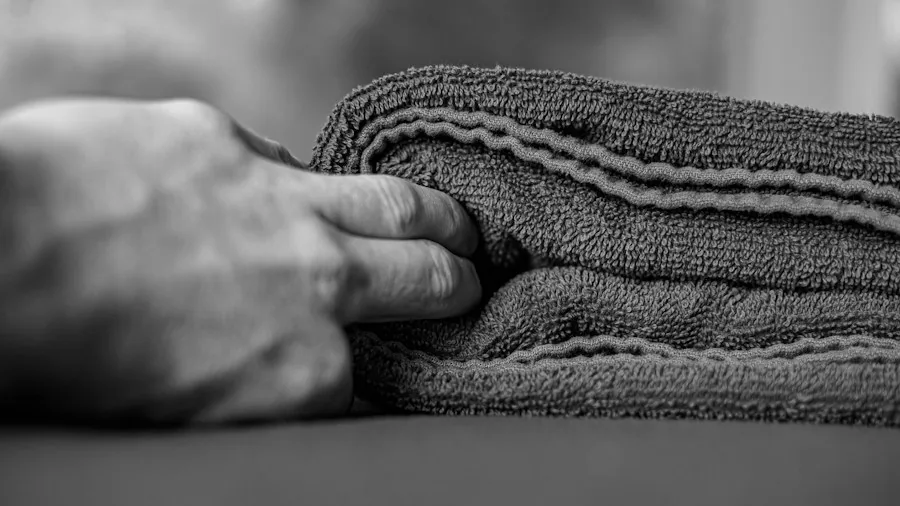
The 2-inch mattress vacuuming method works best as part of a comprehensive approach. Wash your bedding weekly at 140 degrees Fahrenheit to keep allergen levels down. Additionally, consider investing in an allergen-proof mattress encasement, a tightly woven zip-up barrier that prevents skin cells from embedding in your mattress and blocks allergen exposure.
Reducing indoor humidity is another key strategy. Keep relative humidity below 50 percent using dehumidifiers or extractor fans, as dust mites thrive in moist environments. Removing bedroom rugs eliminates another major dust and allergen trap.
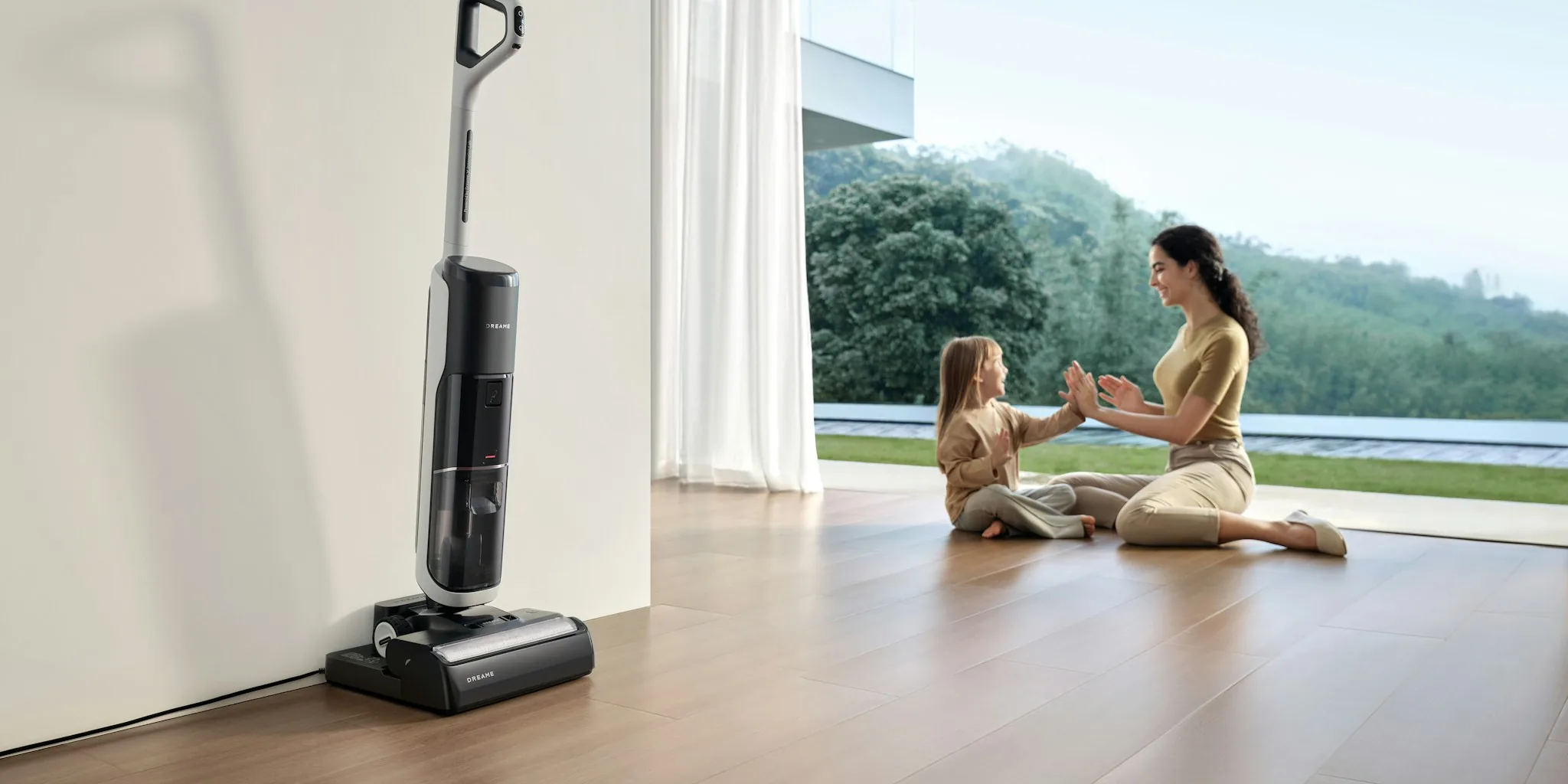
For those with significant allergies or asthma, choosing a high-quality vacuum with strong HEPA filtration makes all the difference. Regular vacuuming of floors and soft furnishings prevents dust mites from spreading throughout your home.
Beyond the Seasonal Spike
While the fall surge creates urgent motivation for cleaning, dust mites live year-round in most homes. Even those in warmer climates with consistent temperatures can benefit from regular mattress maintenance. Adding mattress deep cleaning to your twice-yearly routine, ideally before and after the most intense dust mite seasons, helps extend your mattress lifespan while improving sleep quality and reducing allergy symptoms.
The benefits extend beyond allergy relief. A properly cleaned mattress simply feels more inviting, comparable to the comfort of freshly changed sheets. Over time, regular maintenance can extend your mattress lifespan by years, protecting your investment while protecting your health. Start this fall by tackling your mattress with the 2-inch rule, and notice the difference in how you feel come morning.




Write Your Review
No reviews yet. Be the first to share your experience!