


Tesla just unveiled a reimagined sports car that performed stunts no production vehicle has achieved before. During a high-profile reveal event, the new Roadster jumped over other vehicles without a ramp, flipped through the air, and drove upside down on a curved surface. While these demonstrations look like movie magic, they relied on real engineering innovations that shoppers should understand, even if most of these features never reach the standard model.
How the Roadster Achieved Flight
The demonstration vehicle, called the Rocket Roadster, used pressurized air technology borrowed from space exploration. Two carbon fiber tanks held 250 kilograms of compressed air that powered a system of 10 nozzles positioned around the car’s perimeter. These nozzles function similarly to rocket thrusters, firing pressurized gas downward and outward to lift the vehicle and control its rotation in mid-air.
Tesla’s engineering team designed the system so that all-electric actuators manage the thrust with extreme precision, allowing the car to accelerate upward and adjust its position during flight. The base Roadster weighs around 3,700 pounds and sits as rear-wheel drive only, making it nimble enough for these kinds of maneuvers when equipped with the specialized hardware.
It’s important to note that Tesla has stated the Rocket trim is not approved for public road use and will be available by invitation only. This means the flying capabilities are purely experimental demonstrations rather than features you’ll see on highways anytime soon.
The Downforce Technology That Buyers Might Actually Use
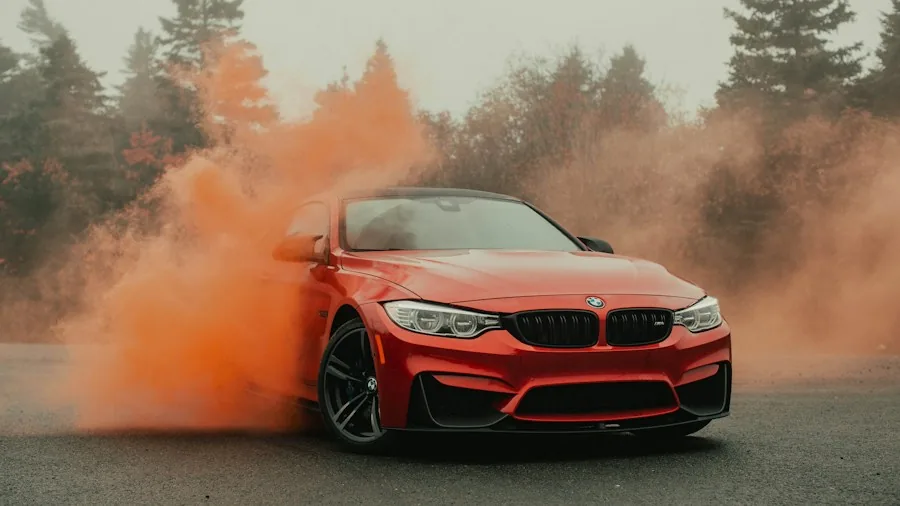
More relevant to everyday drivers is the Roadster’s advanced downforce system, which could become available in future models. The car features a multi-mode fan and ground-sealing arrangement that creates suction beneath the vehicle, effectively pulling the car toward the road. This technology performed the upside-down driving stunt by generating enough downforce to keep the car pressed against an inverted surface even at a standstill.
The system operates in two distinct modes. At low speeds, the fans work to maximize traction in corners by generating over 2 g’s of downforce, which helps the car grip the road during aggressive acceleration and turning. At higher speeds, the front and rear sections of the suction system open up to create additional airflow underneath the chassis, further enhancing performance.
Four high-powered rear fans, each producing 20 kilowatts, handle the heavy lifting. These fans are upgraded versions of the motor that runs the vehicle’s heat pump system. The front and rear wings dynamically adjust their angle to provide the right amount of downforce for different driving conditions and speeds. With this technology, Tesla claims the limited Thrust trim can accelerate from zero to 60 miles per hour in under one second.
What Else You Should Know About the New Roadster
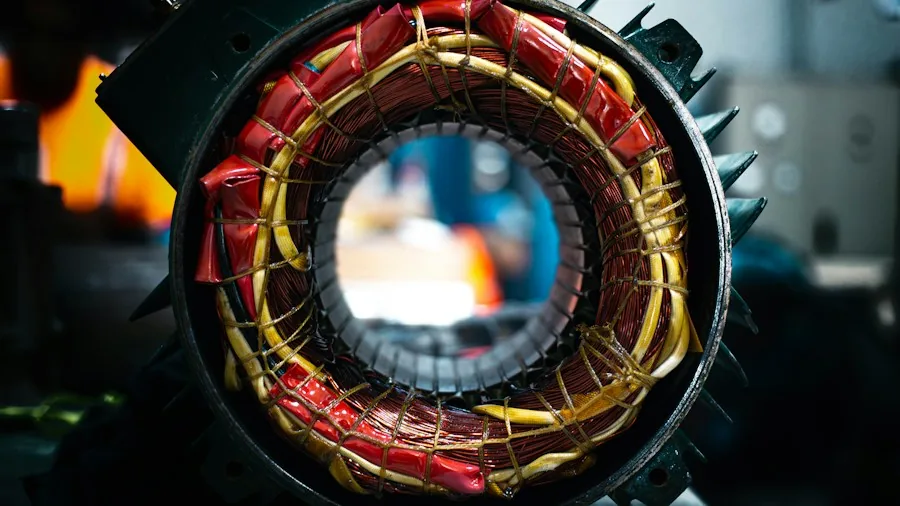
Beyond the stunts and specialty features, the standard Roadster brings legitimate performance upgrades. Two rear-mounted electric motors produce up to 1,500 horsepower and generate more torque than any previous Tesla Model S Plaid. The vehicle uses a steer-by-wire control system with a yoke-style steering input, replacing the traditional steering wheel.
Battery technology has also advanced. The Roadster uses Tesla’s latest 4680 battery cell, which the company describes as its fastest-charging version ever produced. Despite the high-performance focus, the car offers an estimated driving range exceeding 300 miles on a single charge, which compares favorably to many competing sports cars. When preparing for road trips with an electric vehicle, investing in quality charging solutions becomes essential, especially for models with impressive range.
What This Means for Car Shoppers
The Roadster reveal demonstrates that automakers continue pushing the boundaries of what electric vehicles can do. The combination of extreme speed, innovative aerodynamics, and cutting-edge battery technology signals that sports cars are evolving rapidly in the electric age.
However, shoppers should distinguish between demonstration features and production capabilities. The flying and pressurized-air systems are unlikely to appear on road-legal versions, at least not in the near term. The downforce technology, while impressive, represents an engineering capability that may take years to translate into consumer models.
What matters now is that these experiments show the potential trajectory of electric performance vehicles. Features like active aerodynamics and advanced thermal management are more practical for future cars. As vehicle technology continues to advance, staying informed about these developments helps buyers understand where the automotive market is heading and what capabilities might become standard in coming years.


Write Your Review
No reviews yet. Be the first to share your experience!