


Subaru is taking a major step toward automotive independence by developing its own dedicated electric vehicle platform set to debut in 2029. The Japanese automaker revealed its first details about this in-house EV architecture, signaling a significant shift in how the company will design and build its future electric models.
Why Subaru Is Building Its Own EV Platform
Until now, Subaru has relied on technology partnerships with Toyota to develop its current EV lineup, which includes the Uncharted, Solterra, and upcoming Getaway three-row electric SUV. While this collaboration helped Subaru enter the EV market quickly, company executives recognized that dependence on Toyota limited their ability to express Subaru’s unique brand identity, especially in areas like all-wheel-drive performance and safety systems.
By creating its own platform, Subaru aims to regain control over its technological direction and preserve what makes the brand distinctive to buyers who value Subaru’s engineering philosophy and capability-focused design.
What the New Platform Will Offer
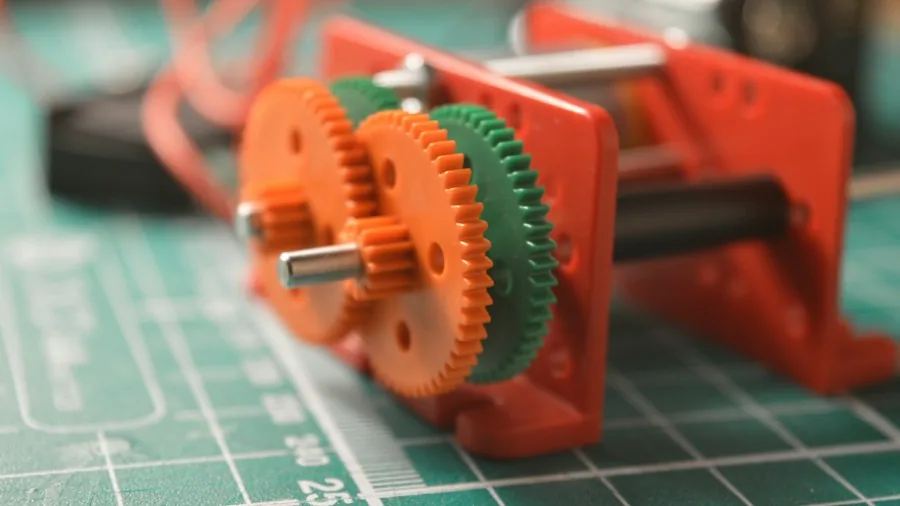
Subaru’s prototype, displayed in Japan, is based on an extended Outback chassis and features a dual-motor all-wheel-drive setup producing approximately 510 horsepower. The front motor generates 201 hp while the rear delivers 308 hp, enabling acceleration from zero to 62 mph in under four seconds. This performance level positions Subaru’s future EVs competitively within the electric SUV segment.
The motors were co-developed with Aisin and represent a significant engineering achievement. They are notably more compact and lighter than current Subaru EV motors while delivering 30 percent greater efficiency compared to the automotive industry average. This efficiency gain translates to better driving range and lower operating costs for buyers.
Battery technology also receives substantial investment. Working alongside Panasonic Energy, Subaru has engineered a new pack featuring 4,000 cylindrical cells. This battery is 25 percent lighter than Subaru’s previous generation while targeting an energy density that exceeds the industry standard by 20 percent. Starting development in September 2024, this collaboration demonstrates Subaru’s commitment to creating batteries optimized for its platform rather than adapting third-party solutions.
Safety and Structural Improvements
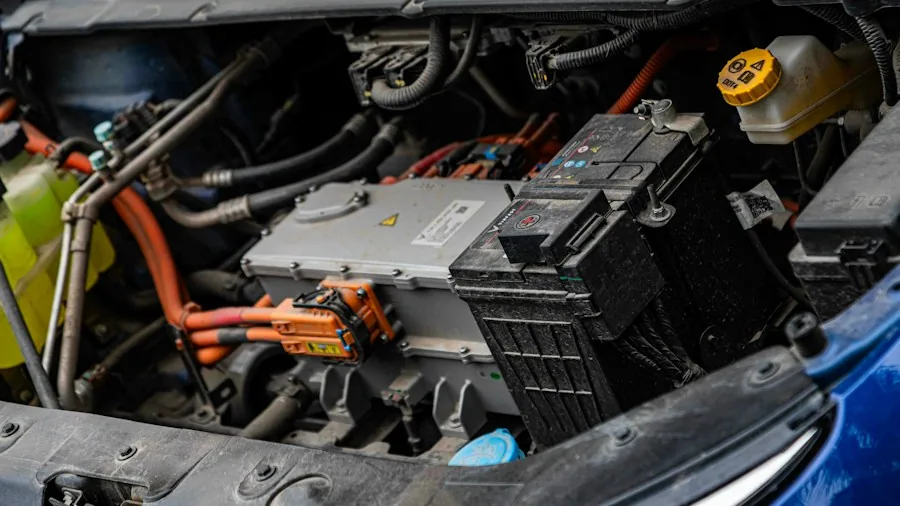
Beyond powertrain enhancements, the new platform incorporates redesigned safety systems. The front end has been reworked to absorb crash energy more effectively while protecting both occupants and the battery pack. In collision scenarios, the front motor is engineered to rotate, helping soften impact forces. The entire platform weighs approximately 220 pounds less than Subaru’s current EV architectures, which improves handling and efficiency without sacrificing structural rigidity.
These safety features reflect Subaru’s historical emphasis on protective engineering, a brand characteristic that other luxury EV manufacturers are increasingly prioritizing as electric vehicles mature.
Timeline and Future Technology Rollout
Subaru has committed to introducing technologies from this platform beginning in 2029, though the company has not specified exact model launch dates. Beyond the dedicated EV platform, Subaru is developing more efficient internal combustion engines for future gas and hybrid models, as well as an advanced Eyesight driver assistance system powered by artificial intelligence.
This multi-pronged approach acknowledges that the automotive market will continue accommodating various powertrain types during the transition period. It also means Subaru will offer buyers choices across fuel types and technology levels as preferences and infrastructure develop.
What This Means for EV Shoppers
For consumers considering Subaru’s electric future, this announcement signals meaningful investment in vehicles designed from the ground up as EVs rather than adapted from existing platforms. Performance capabilities rival traditional luxury EV brands, while the weight savings and efficiency improvements suggest longer range and more responsive handling. The emphasis on all-wheel-drive capability gives shoppers looking for winter performance and capability an authentic option in the electric market.
As the broader EV industry matures, new ride services are expanding electric vehicle infrastructure, making ownership more practical for everyday drivers. Subaru’s platform arrival will benefit from this expanding ecosystem while contributing new design perspectives to it.
Buyers planning EV purchases before 2029 still have options through Subaru’s current Toyota-partnership lineup. Those willing to wait will gain access to vehicles built on Subaru’s proprietary technology, potentially offering stronger differentiation in the increasingly crowded electric SUV market. The company’s commitment to over-the-air update capability means these future vehicles will receive improvements and new features throughout their lifespan, a standard increasingly expected by EV consumers.
Subaru’s investment in independent EV platform development underscores how traditional automakers are adapting their strategies as the industry electrifies. Rather than becoming purely dependent on technology partners, Subaru is betting that distinctive engineering and brand identity will resonate with buyers choosing vehicles for the next decade.




Write Your Review
No reviews yet. Be the first to share your experience!