
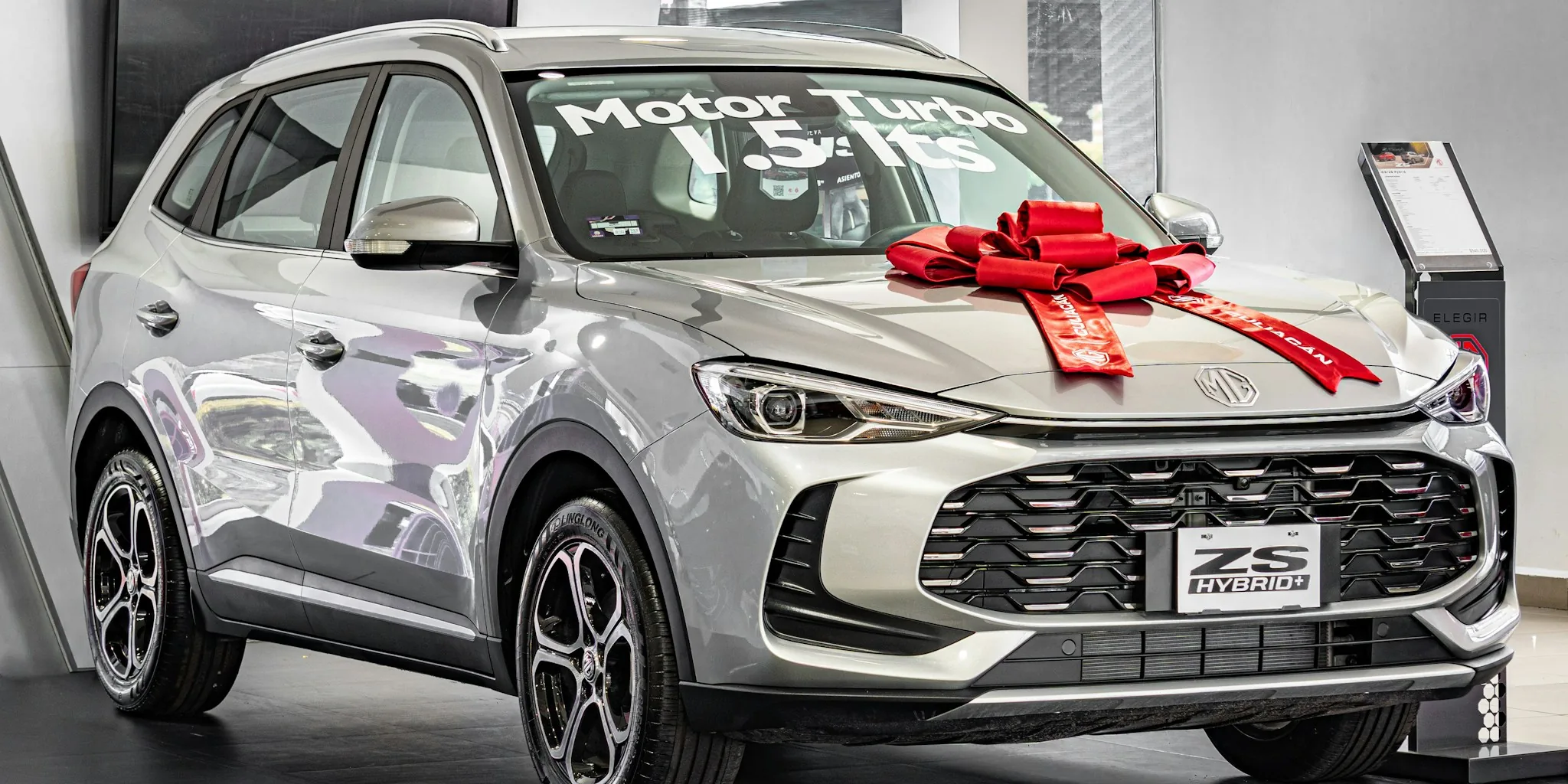

America’s Most Popular Vehicles Through the First Nine Months of 2026
With three-quarters of the year in the books, sales data reveals which vehicles Americans are actually buying. The 2026 lineup shows some familiar faces at the top alongside unexpected climbers that signal shifting buyer preferences. Understanding which models are gaining traction helps shoppers make informed decisions and spot strong resale value candidates.
The Sedan and Compact Car Comeback
Sedans continue to prove their staying power in the American market. The Honda Accord is experiencing remarkable growth, posting a 33 percent increase in sales year-to-date. What makes this surge especially notable is the performance of hybrid variants, which account for nearly 69,000 of those sales. The Toyota Corolla remains in close contention with the Civic, separated by just six units sold, though the Corolla benefits from a solid 8 percent annual boost. Both vehicles demonstrate that affordable, fuel-efficient cars still command significant buyer interest despite the SUV craze.
The Toyota Camry rounds out the sedan leaders at number six overall, benefiting from robust demand and an 11 percent sales increase. The Camry’s strong performance partly reflects weakness in crossover segments where the sixth-generation RAV4 has underperformed expectations.
Crossovers and SUVs Lead the Pack
Mid-size and compact SUVs dominate the bestseller list, with Toyota and Chevrolet models particularly prominent. The Toyota RAV4, while still strong in absolute numbers, represents a disappointment relative to previous generations, down 29 percent through the first nine months. However, its plug-in hybrid variant has become a standout performer, surging 92 percent compared to last year. This trend underscores buyer enthusiasm for electrified powertrains even as traditional gas models face headwinds.
The Nissan Rogue continues its impressive run with a 25 percent year-to-date increase, suggesting strong market positioning as car covers and protective accessories become increasingly important for preserving vehicle value. A new hybrid e-Power variant arriving for 2027 signals the brand’s commitment to this segment.
Chevrolet’s Equinox has encountered sales challenges, declining 6 percent overall, though the electric variant has been available for a limited time. The Chevrolet Traverse remains competitive at the larger end of the spectrum, up 16 percent year-to-date despite competition from three-row SUV alternatives.
Trucks Maintain Steady Demand
Full-size trucks continue delivering strong sales figures, though growth has moderated in some segments. The Toyota Tacoma leads mid-size truck sales, maintaining its category dominance with a 5 percent annual increase. The GMC Sierra ranks eighth overall with over 252,000 units sold, though it faced a weak third quarter with the Sierra HD variant declining 7 percent. Interestingly, GMC’s electric Sierra truck has generated minimal adoption so far.
The Ford Maverick, a compact truck that disrupted the market at an accessible price point, climbed in popularity with an impressive third-quarter showing despite modest year-to-date growth of just 2 percent. This model appeals to buyers seeking truck utility without premium pricing or size.
What This Means for Shoppers
These sales patterns reveal important signals for car buyers. First, hybrid and plug-in hybrid technology is gaining traction across multiple segments, suggesting improved consumer confidence in these powertrains and their long-term reliability. Sedans are not disappearing from American roads as some predicted, particularly when paired with hybrid efficiency. quality batteries and electrical components will become increasingly important as more buyers choose electrified options.
Second, the performance gaps between traditional and hybrid versions of the same model demonstrate that buyers prioritize fuel economy and lower operating costs. The Corolla Hybrid, Accord Hybrid, and RAV4 Prime all contribute substantially to their respective model’s total sales, indicating this is not a niche preference but a mainstream trend.
Third, mainstream crossover SUVs remain the default choice for most American families, but specific models are losing momentum. The RAV4’s year-over-year decline despite strong absolute numbers suggests buyers are evaluating alternatives more carefully, potentially drawn to vehicles offering better value propositions or newer generations.
Upcoming Changes on the Horizon
Several manufacturers are preparing next-generation models that should shake up these rankings. Hyundai plans to launch a completely redesigned Elantra for 2027, which could inject fresh momentum into its sedan sales. The Nissan Rogue e-Power hybrid debut will likely accelerate that model’s growth trajectory. The Ford Ranger adds a twin-turbo 3.0-liter option for 2027, potentially attracting truck buyers seeking more power without sacrificing efficiency.
For shoppers in 2026, this sales data provides valuable insight into market realities. Popular models hold their value better, service networks are robust, and used-car availability remains strong for bestsellers. Conversely, vehicles with declining sales may offer better purchase incentives but potentially fewer future buyers. car accessories and practical upgrades will enhance any purchase, regardless of model selection. Understanding which vehicles resonate with American buyers helps ensure your next vehicle choice reflects both personal preference and smart financial decision-making.



Write Your Review
No reviews yet. Be the first to share your experience!