
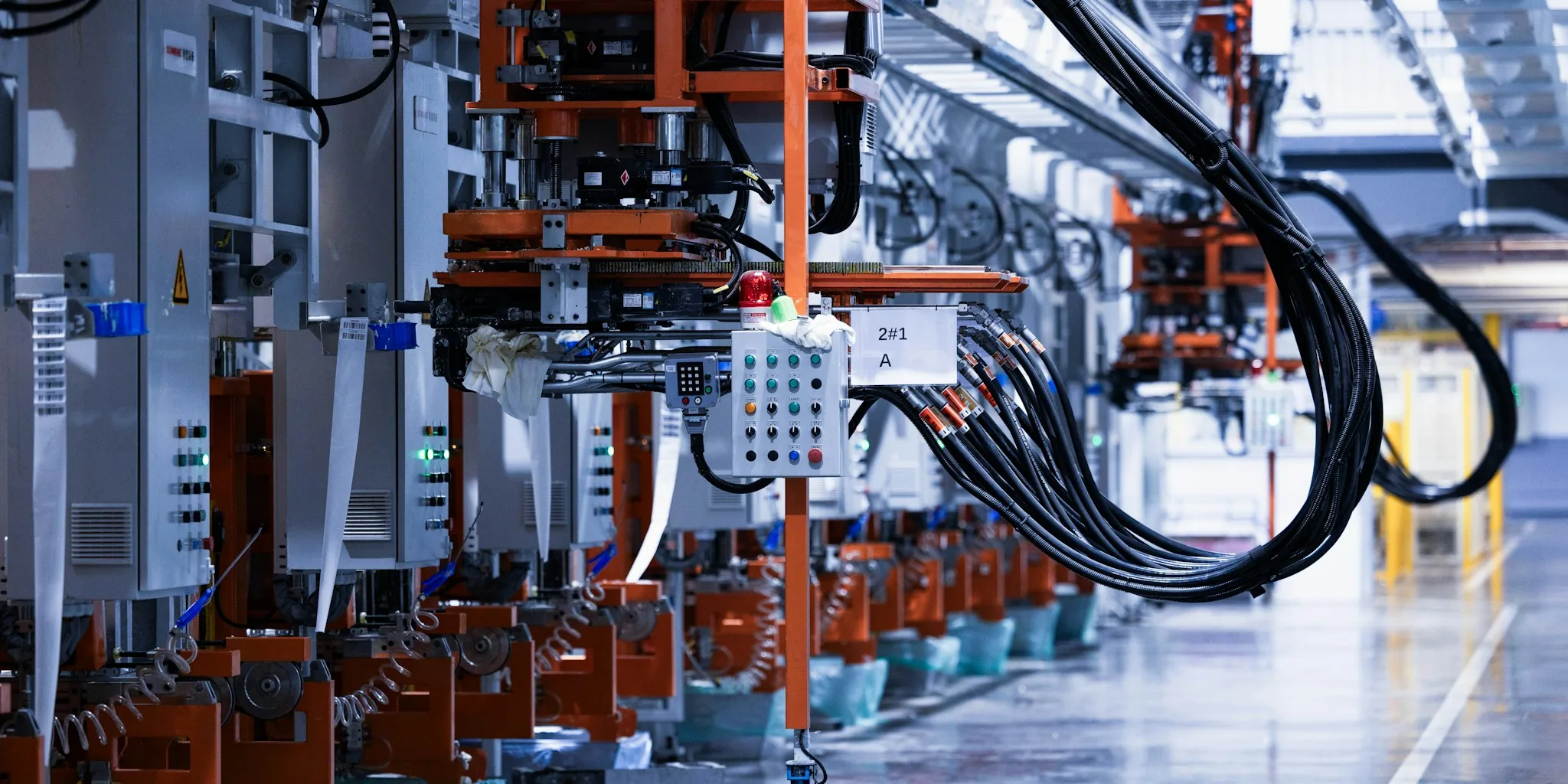

General Motors is making a significant shift in its approach to electric vehicles. The automaker is closing its Brownstown Battery Assembly plant in Michigan and abandoning hydrogen fuel cell development, marking a major retreat from its previous push into alternative fuel technology. For consumers considering an EV purchase, this move reflects broader changes happening across the industry right now.
Why GM Is Pulling Back
The 480,000-square-foot Brownstown facility has served as GM’s hub for EV battery production and electric drivetrain manufacturing since the company ramped up its alternative fuel investments. The plant supplied batteries and power units for the Cadillac Celestiq luxury electric sedan and the now-discontinued Corvette E-Ray sports car. About 80,000 square feet of the space was also dedicated to hydrogen fuel cell system development as part of a joint partnership with Honda.
GM’s decision to close the plant stems from a simple market reality: Americans are not buying EVs at the rates the company anticipated. Heavy financial losses from alternative fuel development, combined with changing consumer sentiment toward electric vehicles, have forced GM to recalibrate its strategy. The removal of the federal EV tax credit has made electric vehicles less affordable for many shoppers who were previously considering the switch from gasoline-powered cars.
The hydrogen fuel cell program proved especially problematic. GM and Honda’s joint venture, which was established in 2017, was dissolved last year due to prohibitively high manufacturing costs, extremely limited charging infrastructure across the country, and minimal customer demand. The separate hydrogen project with Piston Automotive has also been cancelled, leaving a 300,000-square-foot facility that GM initially leased to pursue fuel cell development now sitting without a clear purpose.
What This Means for EV Buyers Right Now
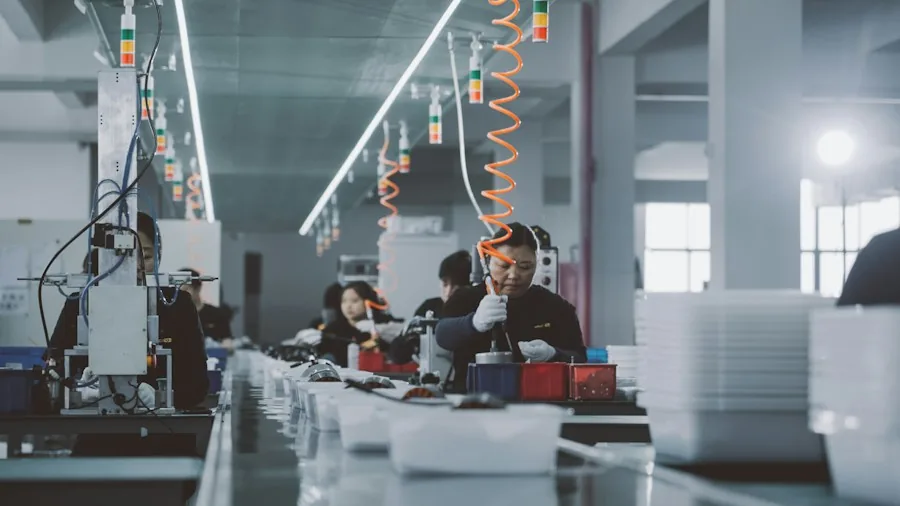
The immediate impact on consumers is limited since the Cadillac Celestiq continues production through 2027. However, GM has not disclosed where battery production for the Celestiq will relocate once the Brownstown facility closes next summer. The company plans to transition manufacturing work to other nearby GM facilities, but specific details remain under wraps.
For shoppers evaluating their EV options, this closure reflects an industry-wide reality: automakers are struggling with EV profitability. While Subaru’s new EV platform launches in 2029 to introduce fresh competition, and companies like Vietnamese-backed ride services are deploying 500 electric vehicles in Los Angeles, traditional American automakers like GM are reassessing their timelines and investment levels.
GM’s current EV strategy now focuses primarily on electric versions of existing gas-powered models. The Chevy Silverado EV, GMC Sierra Denali Edition 1, Cadillac Lyriq, and Chevy Equinox EV make up the bulk of the company’s electric lineup. However, sales data shows these vehicles are heavily outsold by their gasoline counterparts, and GM’s standalone electric vehicles have failed to gain significant market traction.
The Broader Industry Shift

GM is not alone in reversing course on alternative fuels. Multiple automakers have suspended EV projects, delayed electric vehicle launches, or scaled back production targets after investing billions in development. The gap between consumer interest and actual purchasing behavior has forced companies to recalibrate their carbon-neutral and electric vehicle pledges.
Interestingly, even as traditional automakers scale back EV development, the cost of ownership is changing. For example, hybrid options like the 2027 Kia Sorento PHEV prices increased significantly, giving consumers pause on those options as well.
What this means for your decision: if you are shopping for an EV today, your options are increasingly concentrated among leading electric-first companies and Asian automakers. GM’s battery plants closure signals that you may see fewer new EV models from legacy American manufacturers over the next few years, and prices for existing EV inventory could shift as production consolidates.
Planning Your EV Purchase
If you are considering an electric vehicle, timing matters. Supply chain uncertainty and shifting production locations could affect delivery times and availability. GM’s move suggests that EV market conditions remain volatile, and federal incentives remain a critical factor in whether an EV purchase makes financial sense for your household.
Shoppers should evaluate their actual driving patterns, access to charging infrastructure, and total cost of ownership before making a decision. The current market favors buyers in areas with robust charging networks and those who can maximize available federal and state tax credits. As the EV market matures and consolidates, staying informed about which models will remain in production and which manufacturers are committed to the segment becomes increasingly important.






Write Your Review
No reviews yet. Be the first to share your experience!