

Blue Bottle Coffee has unveiled an architecturally significant new cafe in Busan, South Korea, marking a departure from typical coffee shop design. The “Elevated Maru” location, which opened in 2025, reimagines traditional Korean architectural concepts for a modern coffee experience. Shoppers and design enthusiasts alike are taking notice of how this approach reshapes what a premium coffee destination can offer.
A Blend of Tradition and Modern Coffee Culture
The fourth-floor and rooftop cafe draws inspiration from the maru, a central open-air space found in traditional Korean homes. Rather than simply recreating a historical style, the design team reinterpreted this concept to create flexible social gathering areas that encourage connection. The maru historically served as a multi-purpose zone within Korean households, hosting daily activities, social events, and providing a threshold between interior comfort and the natural world outside.
For coffee drinkers visiting this location, the design translates into thoughtfully arranged spaces that adapt to different needs. Whether you’re stopping by for a quick espresso or settling in for an extended work session, the layout supports both casual visits and longer stays. The views of the Suyeong River add a natural backdrop that complements the coffee experience rather than competing with it.
Architectural Innovation Meets Consumer Experience
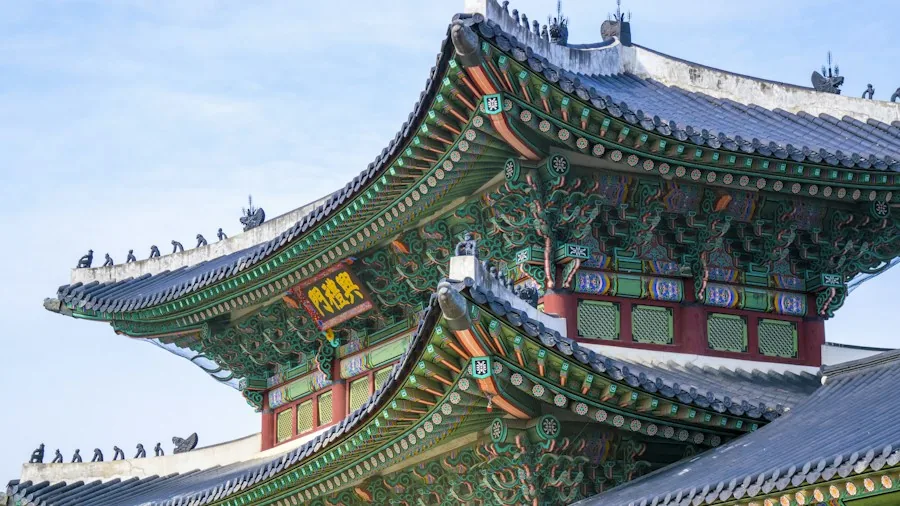
The building features a striking staircase connecting the two main levels, designed to resemble a lantern and symbolically link the spaces. Inside, a careful selection of materials including white oak, concrete, and terracotta creates a refined yet approachable atmosphere. The facade combines stainless-steel elements with glass panels, creating visual interest while framing the river views that the client specifically requested.
This attention to spatial design matters to consumers because it directly impacts how you interact with your coffee. Research into cafe environments shows that thoughtfully designed spaces enhance beverage enjoyment and encourage customers to spend quality time there. The Busan location demonstrates that premium coffee retail increasingly goes beyond the quality of the beans themselves. Like other contemporary coffee spaces that prioritize customer experience design, this cafe recognizes that environment shapes satisfaction.
What This Means for Coffee Shoppers
The investment in this location signals that Blue Bottle continues prioritizing customer experience as a core business strategy. The deliberate connection to local culture and natural landmarks shows a commitment to serving communities as more than just transaction points. For those who frequent specialty coffee establishments, this represents an emerging trend where architectural and design excellence becomes part of the product offering itself.
The design also bridges social and commercial purposes effectively. The flexible spaces support everything from solo work sessions to group gatherings, recognizing that modern coffee consumption serves varied needs. Similar to recent innovations in coffee sourcing transparency, this focus on intentional design demonstrates how the specialty coffee industry continues evolving to meet sophisticated consumer expectations.
Traditional Elements in Contemporary Coffee Retail
The specific use of hanok architectural elements such as daedeulbo and seokkarae (traditional beams and rafters) creates authentic cultural anchors within the modern space. This approach differs significantly from coffee shops that use cultural motifs decoratively without real integration. Here, the design functions both symbolically and practically, supporting the actual experience of being in the space.
For consumers evaluating premium coffee destinations, understanding design intention matters. A space that thoughtfully incorporates cultural elements often reflects the same care applied to sourcing and preparing beverages. The relationship between environment and product quality has become increasingly important as coffee options expand across different consumption formats and settings.
Why This Project Stands Out
The Busan location bridges urban development and natural preservation, positioning itself as a connection point between the river and surrounding mountains. This consideration extends beyond typical cafe planning into genuine urban stewardship. The rooftop design incorporates landscape elements that enhance the natural environment rather than dominating it.
For shoppers seeking premium coffee experiences, this project demonstrates that the specialty coffee industry continues raising standards for what customers should expect. When major brands invest in thoughtful design and cultural integration, it influences the broader market, encouraging independent and regional operators to similarly prioritize intentional space creation. The result benefits all coffee consumers through more carefully considered retail environments where you can genuinely enjoy your beverage and surroundings.
Write Your Review
No reviews yet. Be the first to share your experience!