
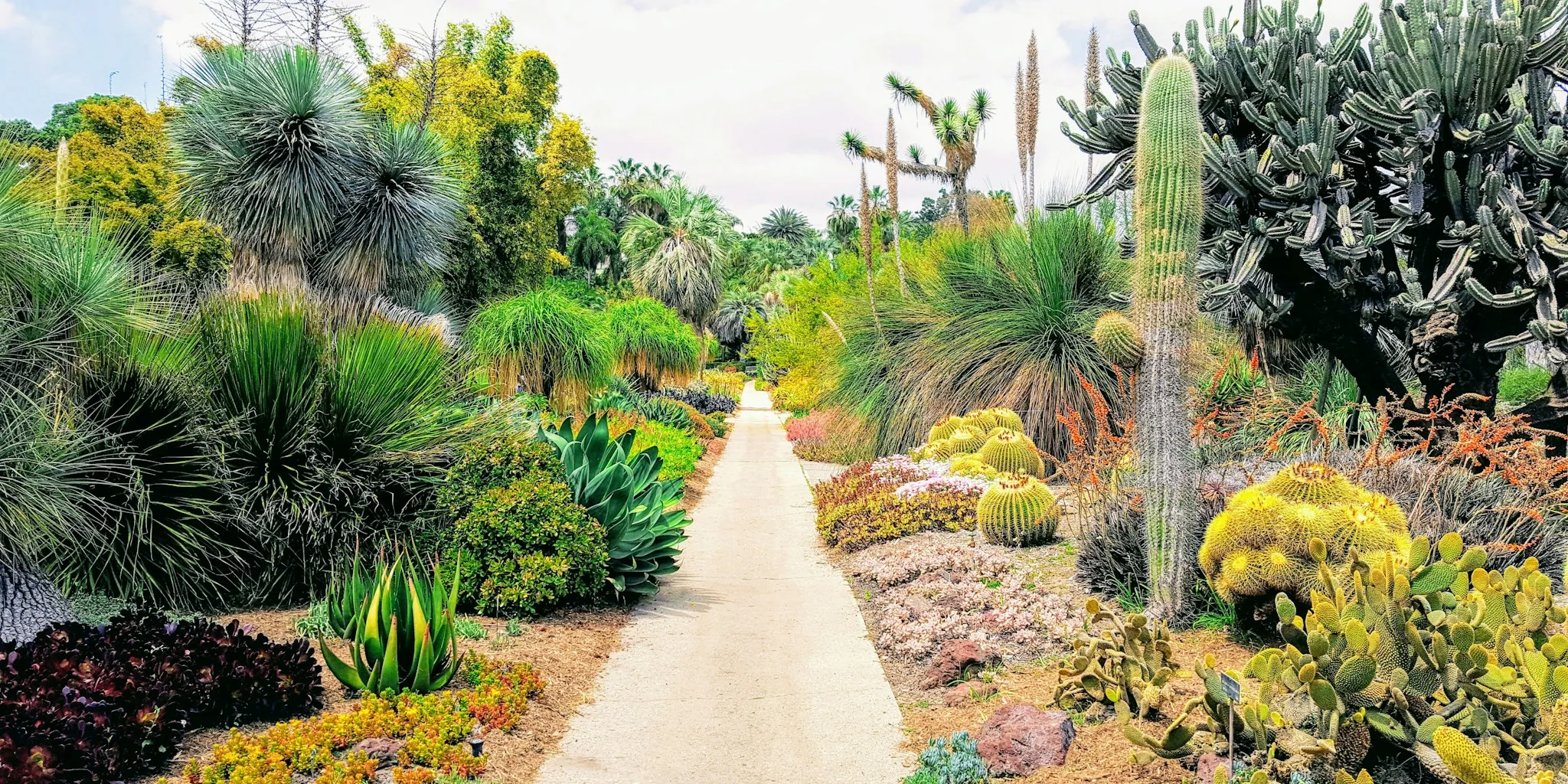

Celebrity homes are known for setting trends, and right now, a familiar architectural garden feature is catching the eye of shoppers across the country: large, sculptural cacti that work as living focal points. These striking plants have moved from desert-only landscapes into gardens nationwide, and the good news is that cold-zone gardeners can grow them too.
Why Cacti Are Becoming a Garden Statement
Cacti stand apart from typical ornamental plants because they deliver visual impact immediately, without demanding constant attention. Unlike flowering shrubs that reward you with blooms for a few weeks before fading back into the background, cacti maintain their architectural presence from day one. Landscape professionals who work with high-end properties report that these plants fill a space with minimal effort, creating a focal point that photographs beautifully and requires almost zero maintenance once established.
The appeal is straightforward: one well-chosen cactus in a corner gives you a complete garden moment. No layering, no waiting for seasonal growth, no fussing.
Choosing the Right Variety for Your Space
Success starts with selecting a cactus matched to your climate and garden size. Golden Barrel cacti work well for smaller gardens and tolerate temperatures as low as 20°F, making them suitable for mid-range zones. Prickly Pear varieties, especially cold-hardy cultivars like eastern prickly pear, can survive down to USDA zone 4, opening up options for northern gardeners. For larger properties or the dramatic columnar look that’s trending right now, Blue Columnar and similar tall varieties create that striking vertical silhouette that looks especially impressive when viewed from indoors through large windows.
The key is honestly assessing your space. Many shoppers fall into the trap of choosing a specimen that’s too large for the area, which undermines the entire design. Start by visualizing the mature size of your chosen plant and compare it to the actual space available.
The Companion Planting Formula
One mistake people make is surrounding their statement cactus with other dramatic plants, which creates visual competition rather than allowing the cactus to shine. The winning approach uses restraint: one statement cactus, one or two soft companion plants like purple ruellia or fountain grass, and a textured ground cover such as crushed stone or decorative gravel.
Gravel does double duty by improving drainage while completing the desert aesthetic that ties the whole design together. When selecting companions, think soft textures and neutral tones that complement rather than compete.
Drainage Is Non-Negotiable
Whether you live in Arizona or Alaska, proper drainage separates success from failure. Cacti tolerate cold far better than they tolerate waterlogged roots, which cause rot and death quickly. Use a gritty, fast-draining soil amended with horticultural grit or a specialty cactus mix designed to dry out rapidly between waterings. Standard potting soil holds too much moisture and will doom even hardy varieties in any climate.
This is the single most important factor for cold-zone growers. Quality gardening gloves will help you handle cacti safely while preparing beds and amending soil properly.
Growing Cacti in Cold Climates Works
Landscape professionals now successfully operate properties with statement cacti year-round in regions like northern England, which proves cold winters don’t mean you have to skip this trend. Hardy Opuntia varieties withstand harsh winters when drainage is installed and maintained correctly. The strategy is simple: research desert species with visual appeal similar to what you want, then find cold-hardy varieties with comparable appearance.
Before planting, investigate your exact hardiness zone and match it to documented cold tolerance of your chosen cactus. This prevents costly mistakes and ensures your investment thrives for years.
Avoiding Common Pitfalls
Scale blindness is the most frequent error landscapers see shoppers make. It’s easy to fall in love with a specimen in a nursery, purchase it, and then realize it dominates your entire yard. Visit the nursery with measurements of your space, or better yet, take photos of the area where you plan to plant and compare proportions before buying.
Another common mistake is planting cacti too close together, which wastes their individual architectural potential. Give each specimen breathing room to stand alone as the protagonist element in that garden area. Use accompanying plants and sculptural stones sparingly to frame rather than crowd your cactus.
What This Means for Your Garden
The surge in statement cacti availability signals that nurseries are stocking more varieties suited to different zones and climates. This means shoppers have genuine options whether they garden in warm or cold regions. Prices have also become more accessible, with quality specimens available through standard retail channels rather than specialty collectors only.
If you’ve admired this look in design magazines or celebrity homes, now is the time to explore whether a version works for your space. With proper variety selection, drainage setup, and companion planting, you can achieve that architectural garden moment regardless of where you live. When shopping, invest in proper watering tools that let you control moisture precisely, especially during establishment in your first season.
The trend isn’t disappearing soon, and neither are these resilient plants once they’re in the ground.


Write Your Review
No reviews yet. Be the first to share your experience!