
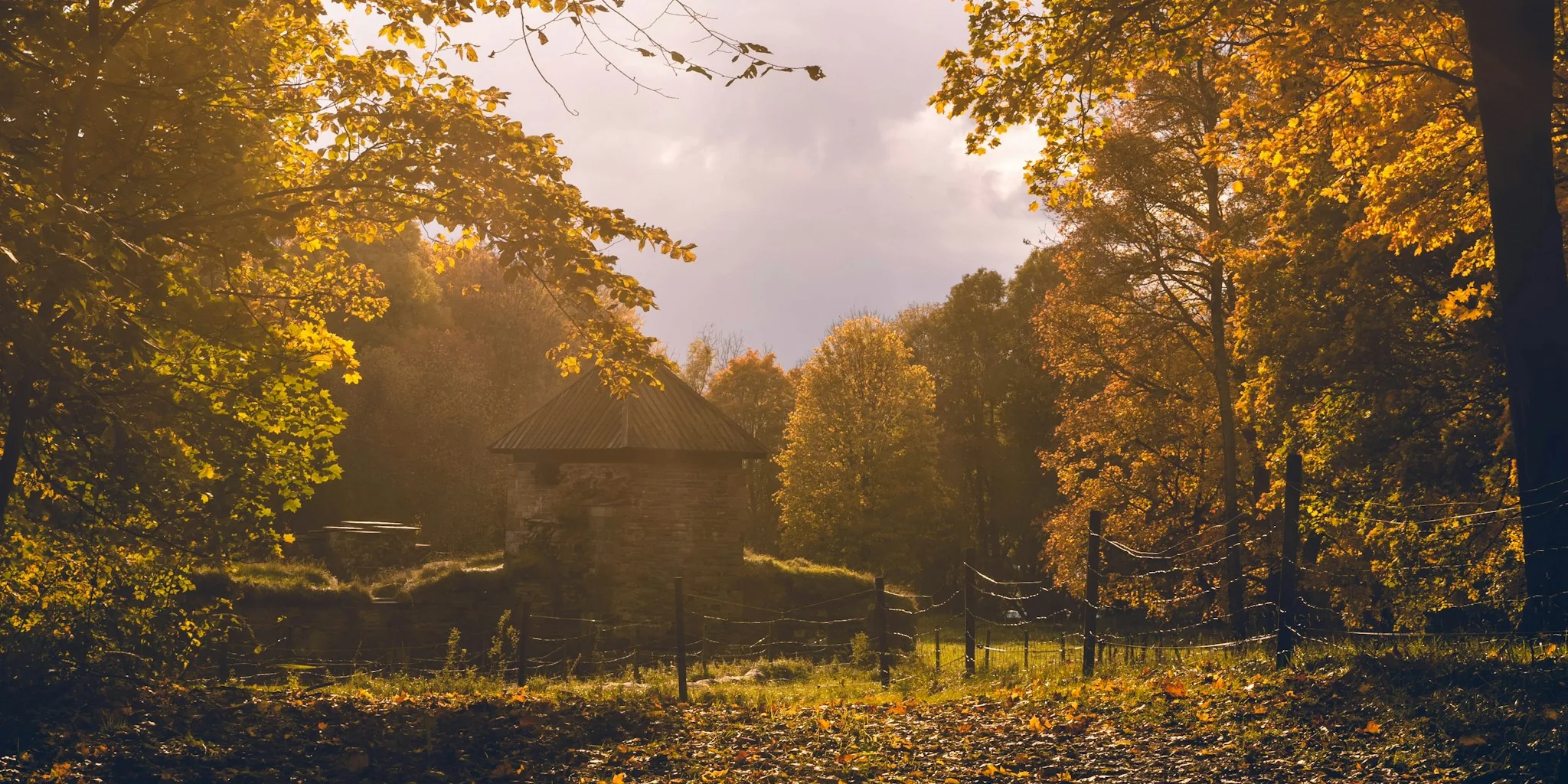

As October arrives and temperatures dip toward 60 degrees Fahrenheit, snakes begin seeking warm shelters for winter brumation, a dormant state similar to hibernation. This annual migration represents the ideal window for homeowners to make their gardens less hospitable to these reptiles. Understanding why snakes invade yards and how to discourage them can help you reclaim outdoor spaces you use regularly.
Why October Is Critical for Action
Most native snake species in the United States are non-venomous and actually provide ecological benefits by hunting rodents, slugs, and insects. However, even beneficial snakes can create anxiety for homeowners, particularly when snakes begin scouting winter den sites. October timing is crucial because snakes are exceptionally hungry at this time of year, storing body fat to survive months underground. Additionally, snakes frequently breed in the same locations where they brumate, meaning a single female can produce 10 to 30 offspring. Failing to act now could result in significantly larger snake populations in your garden next summer.
Step One: Clear Hiding Spots
Snakes gravitate toward cool, damp, dark, and undisturbed areas. Walk your property and identify potential shelters, particularly in sections you frequent. Remove yard clutter, trim back vegetation, and bag up fallen leaves. If you maintain a firewood stack or compost pile, consider relocating these farther from your house. When clearing potential snake cover, always use tools rather than bare hands. Standard gardening gloves offer minimal protection, as snake fangs easily penetrate fabric. Instead, invest in heavy-duty animal handling gloves designed for wildlife work.
Step Two: Maintain Short Grass and Trim Edges
Snakes avoid open spaces where predatory birds can spot them easily. Keep all lawn grass mown to three inches or less, especially during October when snakes are highly mobile. Pay special attention to transitional zones where mowers cannot reach, as these become preferred snake travel routes. Lightweight hand shears with angled blades or cordless grass trimmers make edge work manageable without requiring a full yard renovation.
Step Three: Prune Dense Shrubs
Dense shrubs provide ideal cover for snakes. Prune lower branches to expose ground level and make shrubs less inviting. Sharp pruning tools make cleaner cuts that heal faster than jagged ones. Use pruning shears for smaller branches and pruning saws for thicker limbs. This pruning can transform a shrub into a small tree shape, eliminating the ground-level shelter snakes prefer.
Step Four: Use Fine Compost as Mulch
Fall mulching is standard garden practice, but material choice matters. Pine straw and chunky bark chips create ideal microhabitats where snakes regulate body temperature. Instead, apply fine compost mulch to beds and borders. This material proves far less appealing to snakes while still providing soil benefits. If you make your own compost, a rotary sifter removes larger chunks quickly. Alternatively, purchase pre-made manure-free compost from garden retailers.
Step Five: Eliminate Easy Food Sources
Bird feeders attract the rodents and insects that draw snakes into residential gardens. As fall arrives and homeowners resume bird feeding, snakes experience peak appetite. Switching to waste-free bird seed eliminates dropped seed husks that attract mice and voles. Installing seed catchers beneath hanging feeders further reduces debris accumulation. This simple change removes a primary reason snakes establish territory in your yard.
Step Six: Seal Access Points
Close gaps providing snake entry to sheds, summerhouses, or your home. Steel wool creates effective temporary barriers that are sturdy and weatherproof. October timing works in your favor since snakes require sun warmth for mobility. Schedule repairs during midday hours when snakes are most likely outdoors basking or hunting rather than seeking shelter.
Step Seven: Apply Essential Oil Deterrents
While mothballs and eggshells remain popular folklore remedies, research from the USDA National Wildlife Research Centre confirms that only essential oils rich in eugenol prove effective. Cinnamon and clove oils irritate snakes’ scent receptors in their mouths, triggering escape responses. Mix 15 to 20 drops each of pure clove and cinnamon oil with a quart of water and a teaspoon of dish soap in a spray bottle. Apply this mixture around ground vents, woodpiles, decking voids, and other dark spaces that cannot be sealed. Reapply every two to three weeks or after heavy rain. Once temperatures consistently drop below 50 degrees Fahrenheit, snakes enter winter dormancy and outdoor application becomes unnecessary.
Step Eight: Attract Natural Predators
Snakes fear birds of prey, making owls an effective natural deterrent. October through March represents peak nesting season for owls actively seeking suitable sites. DIY owl boxes or ready-made designs invite these predators into your property while providing them with necessary shelter. This approach combines snake deterrence with beneficial wildlife support.
Buyer Takeaway
Effective snake management requires understanding that fall represents your optimal intervention window. Combining multiple strategies such as habitat modification, food source elimination, and targeted deterrents creates an inhospitable environment that encourages snakes to relocate. With proper garden maintenance equipment and supplies on hand, you can implement these eight steps before winter arrives. Taking action now prevents snake infestations that become exponentially harder to manage once established.



Write Your Review
No reviews yet. Be the first to share your experience!