

What Happened: New AI System Doubles Down on Quality Control
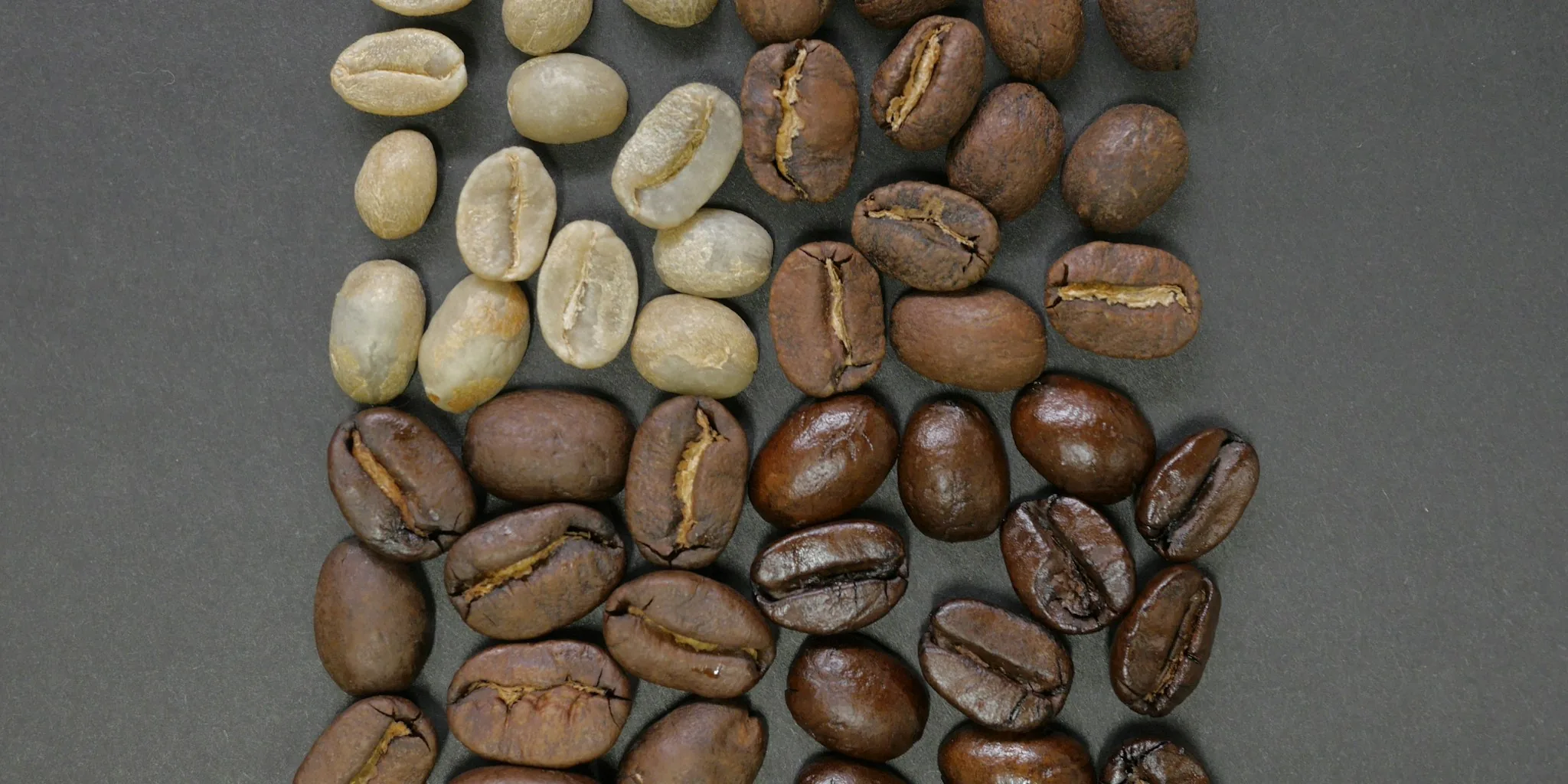
A research team based in Mexico has developed an innovative coffee inspection prototype that uses artificial intelligence combined with a simple mechanical trick: turning coffee beans over. The discovery marks a significant step forward in how manufacturers can catch defects before coffee reaches your cup. By photographing both sides of green coffee beans instead of just one, the new system improved defect detection accuracy by 25.7 percent, according to research published in August in the MDPI journal Agriculture.
The prototype works by using two high resolution cameras, controlled lighting, and an automated flipping mechanism to capture images of each bean from both angles. A hopper dispenses small groups of beans, a mechanical roller presents them to the cameras, and then a system rotates each bean 180 degrees to photograph the opposite side. This dual perspective approach addresses a long standing problem in coffee quality control: missing defects that only appear on one side of a bean.
How the Technology Works

The research team built their system around standard 350 gram green coffee samples, the typical size used for quality grading. They created a dataset of 9,600 images covering 11 different defect categories including sour, brocade, peaberry, shell, elephant, frozen, black, ear, broken, dry and triangle defects, plus images of normal beans. The system was then tested using four different artificial neural network models, with YOLOv8 delivering the best results: 97.4 percent precision and 99.6 percent recall.
The findings align with other recent coffee research, including a 2024 study from Bangladesh and Japan that also identified YOLOv8 as the most effective model for detecting green coffee defects. This convergence of results suggests the technology is becoming more reliable and standardized across the industry.
What This Means for Coffee Shoppers
If you care about the quality and consistency of your coffee, this advancement matters. Better defect detection at the source means higher quality green beans make it through to roasters, which translates into better tasting coffee in your coffee maker at home. Defective beans can produce off flavors, uneven roasting, and disappointing brews, so catching them earlier in the supply chain improves the final product.
The research also highlights how the coffee industry is embracing automation and artificial intelligence to maintain standards. Several newer companies have launched AI powered coffee analysis tools in the past five years, bringing technology to sorting and quality assessment at various stages. This competitive innovation pushes quality control forward across the entire market.
Current Limitations and Future Potential
While the prototype shows impressive accuracy, it currently has practical constraints. Processing a standard 350 gram sample takes approximately 38 to 40 minutes, which is too slow for high volume commercial sorting operations used by large coffee producers. The research team acknowledged that their testing sample was limited and called for larger and more diverse trials before the technology could be widely deployed in real world settings.
The authors also noted that the most surprising finding was actually the simplest: physically flipping the beans. The mechanical innovation alone delivered most of the improvement in defect detection. This suggests that even basic changes to how quality control is conducted can yield significant gains, and that sometimes the best solutions combine old fashioned mechanical thinking with cutting edge AI.
The prototype was developed by researchers at Tecnológico Nacional de México and the Autonomous University of the State of Mexico, funded through a national research grant. As the coffee industry continues to modernize its quality control processes, projects like this one add momentum to a rapidly expanding field of technical solutions. Whether you prefer drip coffee or specialty brewing methods, the improvements happening behind the scenes at origin and in processing facilities will eventually benefit coffee lovers everywhere.
The Bottom Line
Coffee quality control is entering a new era where artificial intelligence and mechanical innovation work together. A 25 percent improvement in defect detection is substantial and signals that technology can genuinely enhance what ends up in your cup. While this particular prototype may not revolutionize commercial coffee processing overnight, it demonstrates that the industry is serious about quality, and that progress in coffee science continues to accelerate. For consumers, this means better tools for producers to ensure consistency and quality across every batch.






Write Your Review
No reviews yet. Be the first to share your experience!