
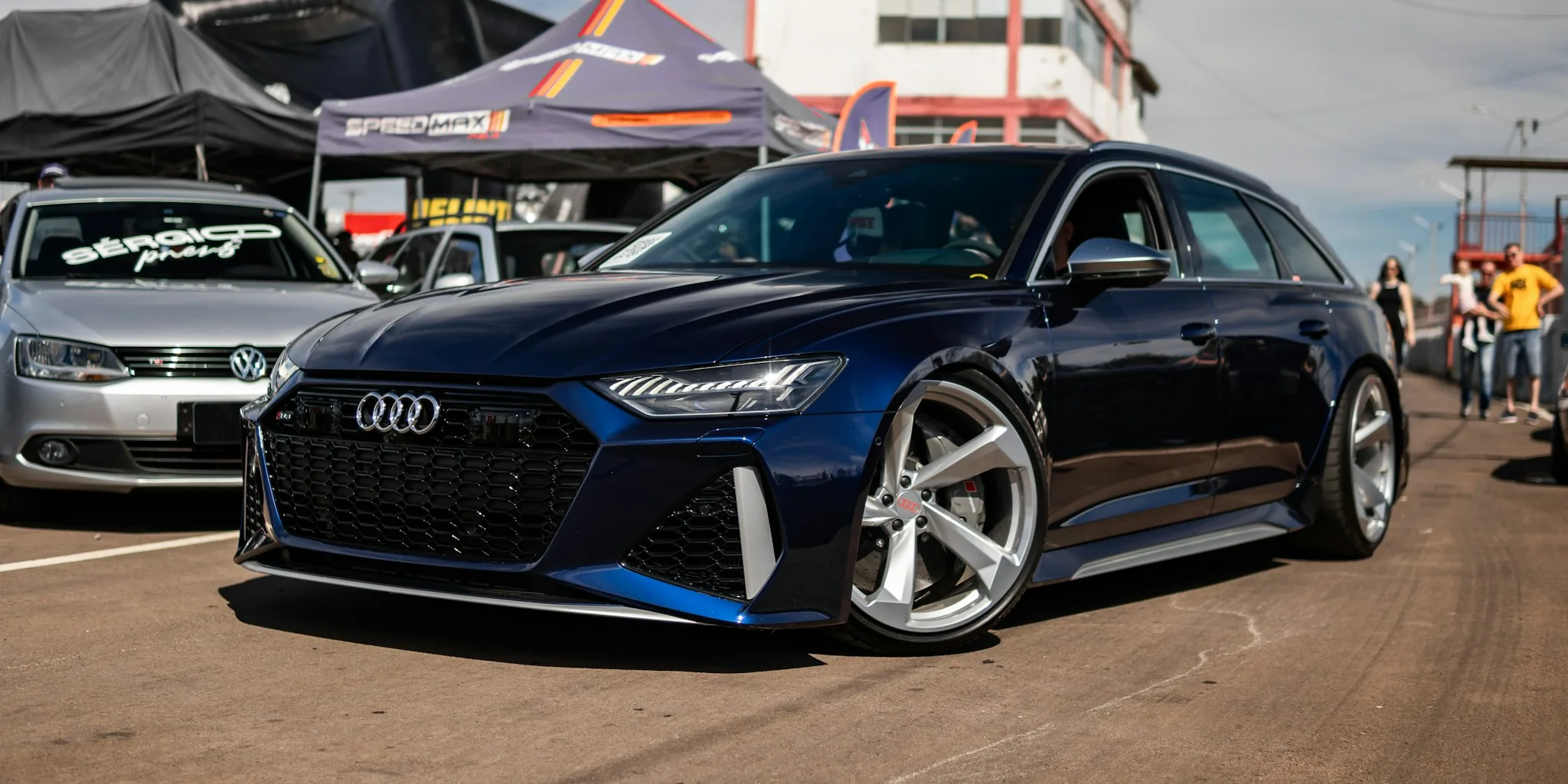

Toyota’s latest concept vehicle signals a significant shift in how automakers are thinking about SUV design. The Crown Signia GT-S Concept, developed by Toyota Motorsports Garage for the 2026 model year, combines aggressive performance upgrades with a wagon-inspired silhouette that challenges the boxy aesthetic dominating the modern SUV market.
A Lower, Sportier Take on SUV Proportions
The most striking modification to this concept is its nearly five-inch lower ride height compared to the standard Crown Signia. This dramatic drop immediately transforms the vehicle’s stance, giving it a more grounded and athletic presence. The suspension relies on custom one-off coil-over dampers from Motion Control Suspension (MCS), paired with 21-inch wheels wrapped in wide 295-mm Toyo tires. The combination of reduced height and larger wheel package creates a visual impact that departs sharply from the tall, upright posture shoppers have grown accustomed to in the SUV segment.
To accommodate these larger wheels and the lower suspension setup, Toyota fitted the Crown Signia GT-S with widebody fenders finished in a custom dark gray paint with metallic flake accents. The approach suggests that future production SUVs might embrace more dramatic proportions and lower ride heights, especially as manufacturers explore ways to differentiate their models in an increasingly crowded category. This design philosophy could influence how General Motors, Audi, and other brands approach three-row SUV styling in coming years.
Aerodynamic Enhancements and Performance Details
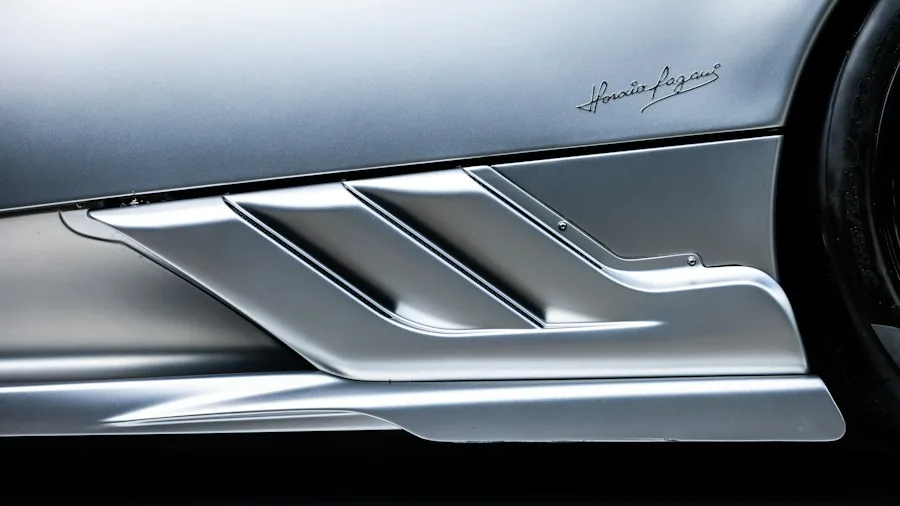
Beyond the suspension and stance, Toyota applied a comprehensive aerodynamic package designed to improve both form and function. The concept features an aggressive front air dam, custom underbody vents carved into each front fender, and a rear diffuser that extends the sporty theme to the back of the vehicle. While Toyota stopped short of confirming whether these elements deliver measurable performance gains, their inclusion signals manufacturer interest in blending SUV practicality with track-inspired engineering.
Braking performance received attention as well, with calipers sourced from the RX500h F Sport and custom-tuned for this application. A custom dual exhaust system integrated into the rear bodywork adds auditory and visual drama. The red accent trim extending across the logos, rear-view mirrors, and headlamp surrounds ties the performance upgrades together visually, creating a cohesive design language that viewers immediately recognize as purposeful rather than decorative.
Interior Refinement and Potential Production Implications
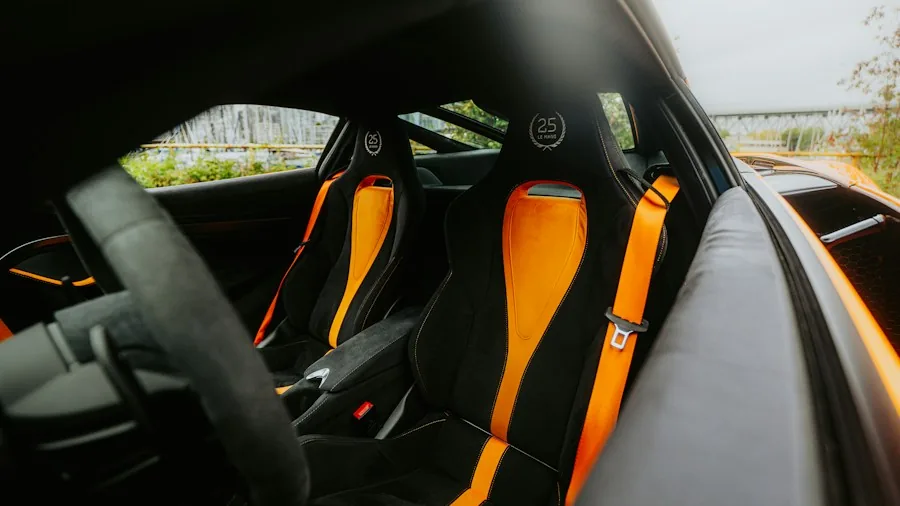
The cabin upgrades take a more understated approach than the exterior work. Heavily bolstered seats feature red piping and embroidered GT-S lettering on the headrests and shifter. This restraint reflects a design principle increasingly important to luxury SUV buyers: performance features that enhance both comfort and control without resorting to excessive ornamentation.
What makes this concept particularly relevant to current shoppers is the possibility that some of these upgrades could reach production models through Toyota’s TRD and TGR factory aftermarket programs. These tuning divisions have historically offered performance packages for trucks and SUVs, and the Crown Signia GT-S hints at expanded possibilities for enthusiasts seeking sportier variants. As Toyota continues developing concept vehicles that push design boundaries, owners may soon have access to factory-backed performance and styling options that rival or exceed independent customization shops.
What This Means for SUV Shoppers
The Crown Signia GT-S Concept demonstrates that the SUV category is evolving beyond its traditional tall-and-spacious formula. Manufacturers are testing whether buyers want sport-inspired proportions, sophisticated aerodynamics, and wagon-like profiles rather than conventionally boxy designs. The emphasis on suspension geometry and wheel packaging also reflects growing interest in vehicle dynamics, suggesting that future production SUVs may prioritize handling and performance alongside utility.
For shoppers currently evaluating SUV options, this concept illustrates emerging design trends worth monitoring. If these styling cues and performance upgrades make their way into production, they could set new standards for what enthusiasts expect from mainstream SUVs. The lower stance, aggressive aero, and premium interior appointments all point toward an industry increasingly willing to differentiate SUVs through sporty customization rather than relying solely on size and cargo capacity to attract buyers.
Whether Toyota introduces a production version of the Crown Signia GT-S or offers similar packages through its aftermarket divisions, this concept validates consumer demand for SUVs that challenge conventional styling and deliver more engaging driving experiences. For shoppers tired of identical SUV designs across the market, the message is clear: performance-oriented, wagon-inspired alternatives are on the horizon.





Write Your Review
No reviews yet. Be the first to share your experience!