
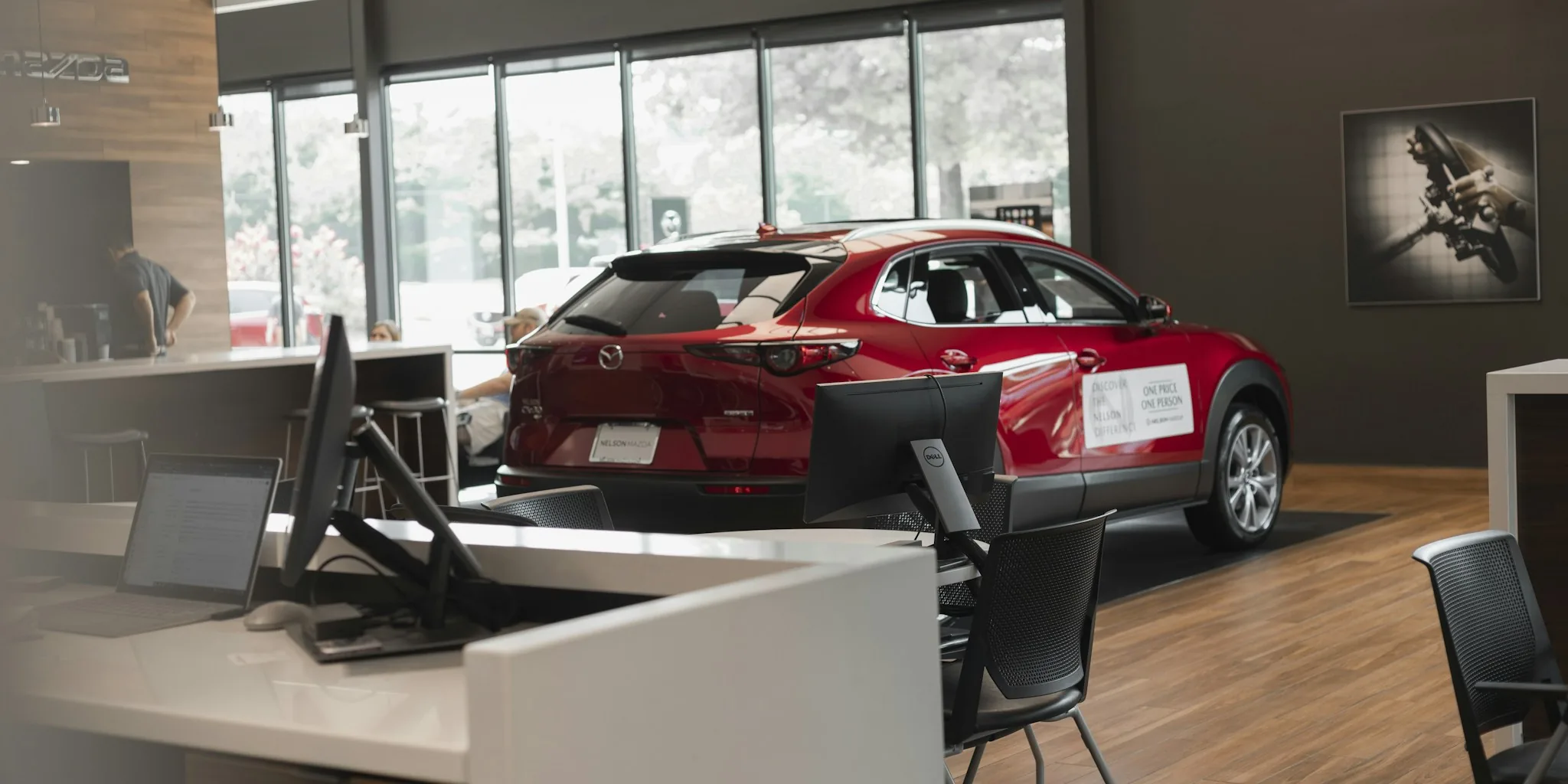

When your lease term winds down, you face a critical decision: return the vehicle to the dealership or buy it outright. A lease buyout allows you to purchase the leased car before or at the end of your agreement, but it’s not always the right move financially. Understanding the costs involved and evaluating your personal circumstances will help you make an informed decision.
What Is a Lease Buyout and How Does It Work?
A lease buyout occurs when you purchase the vehicle you’ve been leasing. The amount you pay, called the buyout cost, includes the residual value the leasing company estimated at the start of your lease, plus any remaining payments, taxes, fees, and other charges. Most leases offer a buyout option at lease-end, though some companies allow early buyouts, which may come with additional termination fees.
Before pursuing this route, verify that your specific lease agreement includes a buyout clause. Not all leases permit this option, so reviewing your contract is essential.
Tip 1: Calculate the Residual Value Versus Market Value
The foundation of any buyout decision is comparing what you owe to what the car is actually worth. Your lease agreement states the residual value, which is the vehicle’s expected worth at lease-end. Next, research the current market value using tools that factor in your car’s location, mileage, condition, and features.
If the market value exceeds the residual value, a buyout may be financially advantageous. Conversely, if your car is worth less than the buyout price, returning it to the dealership often makes more financial sense than purchasing it.
Tip 2: Factor in All Additional Costs
The buyout price isn’t just the residual value. You’ll typically owe state and local sales taxes on the purchase, registration and licensing fees for the new owner, and potentially a purchase option fee charged by the leasing company. An early buyout may also include early termination penalties. Carefully review your lease contract to identify all applicable charges before committing to the purchase.
Tip 3: Consider Your Lease Timeline and Early Termination Fees
Timing matters significantly in lease buyouts. If you want to purchase your car before the lease officially ends, check whether your agreement imposes early termination fees. These charges can substantially increase your total cost. If fees are minimal or nonexistent and you’re confident in your decision, an early buyout may work. Otherwise, waiting until lease-end is typically more economical.
Tip 4: Evaluate the Vehicle’s Condition and Maintenance History
One advantage of buying your leased car is that you know its full maintenance history and condition. If the vehicle has been well-maintained, remains in excellent shape, and rarely required significant repairs, purchasing it eliminates uncertainty about hidden problems. A reliable car that won’t need major repairs soon can justify a buyout even if the math is slightly unfavorable. Additionally, consider investing in car phone mounts and other accessories that improve your driving experience once you own the vehicle outright.
Tip 5: Shop Around for Financing Options
Your leasing company may offer financing for the buyout, but you’re not obligated to accept their terms. Contact banks, credit unions, and other lenders to compare interest rates and loan terms. A lower interest rate directly reduces your total purchase cost. Your credit score significantly influences the rates you qualify for, so check your credit before applying. Even a modest interest rate reduction across a multi-year loan can save you hundreds of dollars.
Tip 6: Attempt to Negotiate the Buyout Price
While many leasing companies include non-negotiation clauses in their contracts, it never hurts to ask. Some lessors are open to negotiating financing discounts, waiving purchase option fees, or offering other incentives. The worst they can do is decline, but successful negotiations can lower your final cost. Let the leasing company contact you first as your lease-end approaches, as this positioning sometimes makes them more willing to negotiate.
Tip 7: Assess Your Long-Term Transportation Needs

Beyond the numbers, consider whether owning this vehicle aligns with your future plans. If you’ve grown attached to the car, enjoy its reliability, and plan to drive it for several more years, a buyout may be worthwhile even if the buyout price slightly exceeds market value. However, if you prefer driving new vehicles, want flexibility to switch cars regularly, or anticipate major life changes that might affect your transportation needs, returning the lease may be smarter. Keep practical accessories in mind too, like car chargers for road trips, which you can add to an owned vehicle.
Making Your Final Decision
A car lease buyout is financially sound when the vehicle’s market value exceeds the total buyout cost and you’re confident the car will reliably serve you for years ahead. Use concrete numbers rather than emotional attachment as your primary decision-making tool. However, if you genuinely value the car and your finances comfortably accommodate a slightly higher cost, purchasing it can still be worthwhile. Compare all financing options, verify there are no surprise fees, and ensure you’re making a choice that works for both your budget and your lifestyle needs.




Write Your Review
No reviews yet. Be the first to share your experience!