


If you’ve planted spring bulbs only to watch squirrels and other garden pests dig them up before they can grow, you’re not alone. Tulip and crocus bulbs are prime targets for hungry wildlife in fall, especially squirrels and chipmunks seeking high-calorie meals as temperatures drop. Many gardeners resort to chicken wire, steel mesh, or bulb baskets to protect their investments, but there’s a simpler, more affordable solution that actually works better: crushed oyster shell grit.
This natural material, commonly sold as poultry grit for chickens, creates a physical barrier that deters not just squirrels but also voles, field mice, and other burrowing pests. The sharp, jagged edges of crushed oyster shells are uncomfortable for animal paws to dig through, making it painful enough that critters move on to easier food sources elsewhere in your garden. What makes this solution even better is that it benefits your bulbs in multiple ways beyond pest protection.
How Oyster Shell Grit Protects Your Bulbs
When you plant bulbs in fall, the jagged edges of oyster shell pieces create an effective deterrent that stops most digging before it starts. Squirrels and raccoons rely on their paws to excavate soil, and the uncomfortable texture of crushed shells sends them searching for softer ground to dig into. Unlike solid barriers that can damage bulbs or restrict root growth, oyster grit naturally breaks down over time while remaining sharp enough to protect young bulbs through their vulnerable first season.
The key is using the right type of product. Look for chicken grit made purely from oyster shells, avoiding products cut with cheaper fillers like limestone. Crushed shells work better than flaked varieties because they’re both sharper for paws and easier for plant roots and shoots to penetrate as they grow.
The Best Application Method for Ground Plantings
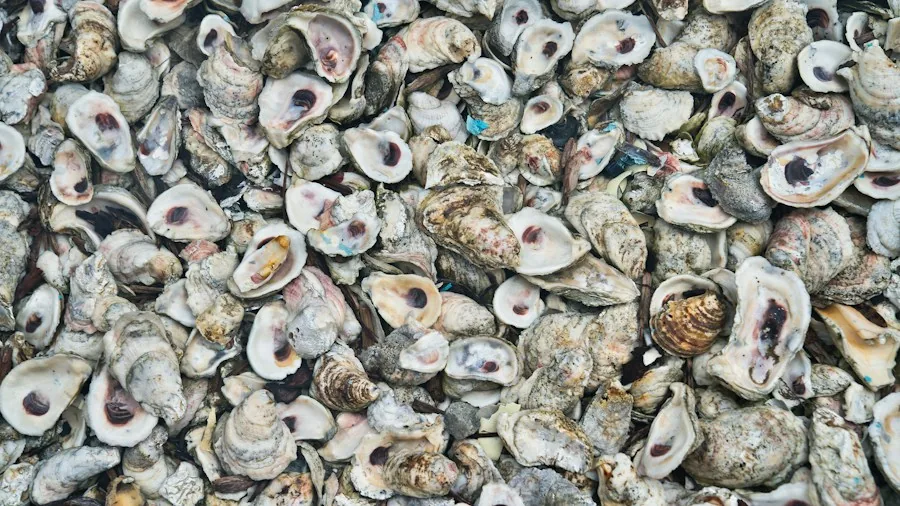
When planting bulbs directly in garden beds, use a double-layer approach for maximum protection. First, spread an inch-thick layer of crushed oyster shells on the bottom of your planting hole before positioning your bulbs. This protects against burrowing pests that attack from below. Once you’ve placed the bulbs, add a second inch-thick layer of grit one to two inches below the soil surface. When squirrels or other diggers hit this sharp layer, they’ll abandon their efforts.
For container gardening, simply add a one-inch layer of oyster shell grit to the soil surface as a mulch and deterrent. This method is especially useful when growing bulbs in raised beds or containers, where space is limited and pests are more persistent.
Soil Benefits Beyond Pest Control
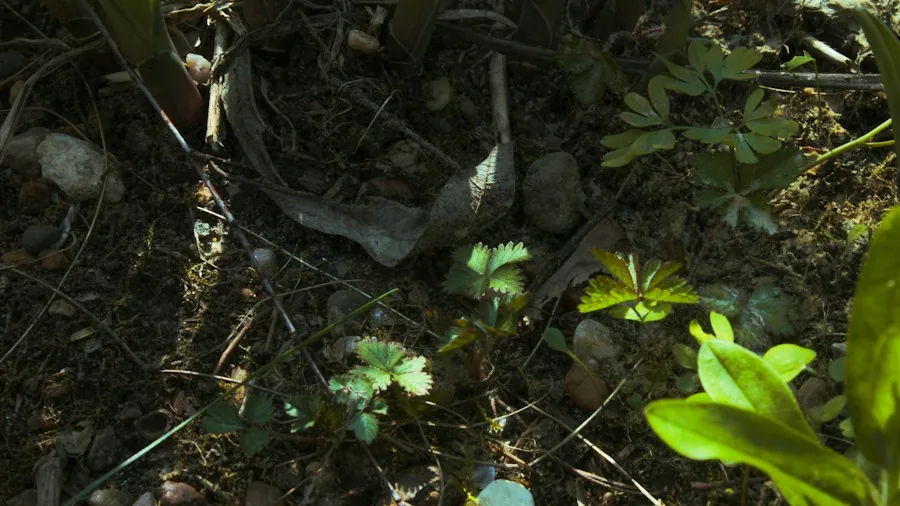
Beyond its defensive qualities, crushed oyster shell grit improves your soil structure and plant health. The material naturally enhances drainage by creating beneficial air pockets in heavy soils, which prevents bulb rot during wet winter months. This is critical in climates with significant fall and winter rainfall.
As the shells slowly break down over several seasons, they release calcium into the soil. This mineral supports strong root development and sturdy stem growth in your emerging spring flowers. Unlike quick-acting fertilizers, oyster shells provide a steady, long-term calcium supply that plants can absorb as needed.
If you’re concerned about soil pH, test your garden with simple pH strips before adding oyster shells. While the material can gradually increase alkalinity over years, it breaks down so slowly that this is only a concern in soils already classified as highly alkaline. Most popular spring bulbs, including tulips and crocus, tolerate mildly alkaline soil without problems.
Cost-Effective and Natural
Poultry grit is one of the most economical pest-prevention solutions available. A bag large enough to protect multiple planting areas costs far less than specialty bulb baskets, chicken wire, or repeated replanting of eaten bulbs. This makes it an obvious choice for gardeners on any budget who want reliable results.
When you’re selecting protective gear for fall planting, quality gardening gloves will protect your hands while you work with the sharp shells. The natural properties of oyster grit mean you’re not introducing synthetic chemicals into your garden, making it an environmentally responsible option whether you embrace garden wildlife or prefer to exclude them.
November is the ideal time to plant spring bulbs in most climates, and using this simple trick ensures those pricy tulip and crocus bulbs survive until bloom time. By combining effective pest deterrence with soil improvement and plant nutrition, crushed oyster shell grit delivers multiple benefits that will pay dividends come spring.






Write Your Review
No reviews yet. Be the first to share your experience!