

Seasonal Watering Changes Are Causing Your Indoor Plant Emergency
If your indoor plants are showing yellow leaves as November arrives, they’re sending an urgent distress signal you cannot ignore. As daylight hours shorten and the sun’s intensity decreases through fall, most houseplants enter a natural slowdown where they require significantly less water. The biggest mistake plant owners make is continuing their summer watering schedule without adjustment, which leads to waterlogged soil, root rot, and potentially the loss of beloved plants.
The good news: catching yellowing leaves early means you can reverse the damage and save your plant. Understanding why your houseplant is struggling and how to respond quickly makes all the difference between recovery and compost bin doom.
How to Identify Overwatering Based on Your Plant Type
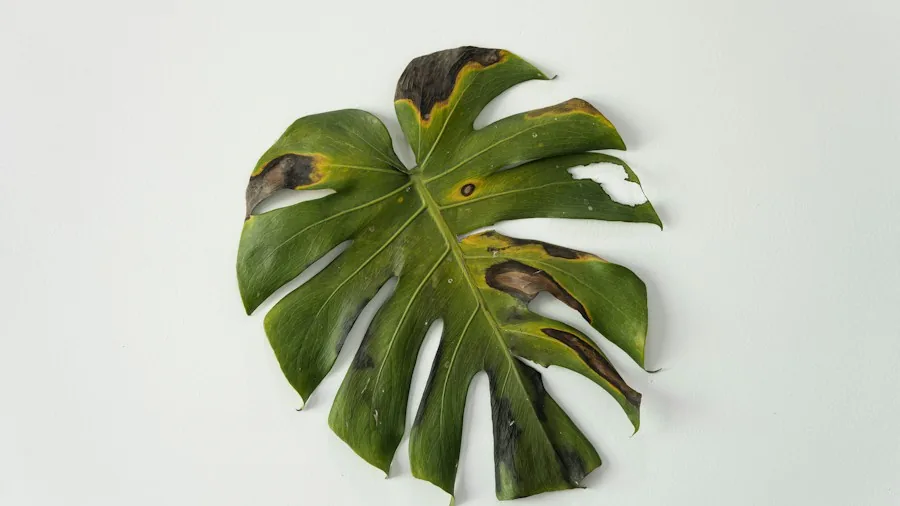
Different houseplant varieties display overwatering symptoms in distinct ways, so accurate identification matters. Large-leafed tropical plants like monstera and anthurium typically develop bright yellow halos around dark spots where fungal pathogens have invaded the leaf tissue. Plants that grow from rhizomes or tubers, such as ZZ plants, caladiums, and elephant ears, show dramatic color loss where an entire stem turns bright yellow almost overnight once root decay begins.
Prayer plants, peperomia, and ferns with shallow root systems develop a pale, matte yellow across their foliage as fragile roots suffocate in wet soil. Interestingly, leaves become dry and brittle rather than mushy because the root damage cuts off water supply. Succulents and cacti that store water in their leaves or stems exhibit a translucent, sickly yellow at the base where stems meet soil. Understanding your specific plant’s stress signals helps you respond appropriately.
Vining plants like pothos and heartleaf philodendron show yellowing on their oldest leaves first, as the plant redirects nutrients to encourage fresh growth at the tips. Grass-like foliage plants such as spider plants develop brown leaf tips with a distinct yellow halo separating dead tissue from healthy green growth. When root damage prevents the plant from delivering water to leaf edges, those tips die first.
Emergency Treatment to Save Your Roots
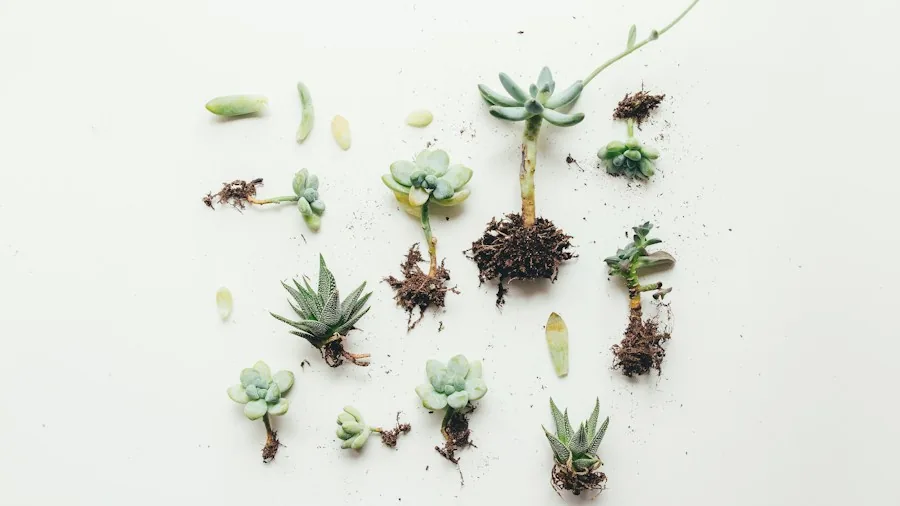
The moment you spot a yellowing leaf, stop watering immediately and allow soil to dry out completely. Remove the pot and inspect the roots: white roots mean you’ve caught the problem early enough for a simple fix. Return the plant to its pot and resume watering only when the top inch of soil feels dry to the touch. A moisture meter removes guesswork from your routine and helps you adjust watering as seasonal needs change.
If you detect a foul smell and see dark, mushy, or slimy roots, root rot has already set in and requires aggressive intervention. Remove as much old soil as possible and use clean, sharp scissors to trim away all damaged roots. Rinse the remaining healthy roots and wash the pot thoroughly before repotting. Ensure your pot has drainage holes so excess moisture can escape. If you prefer decorative pots without drainage, use them as outer cachepots with a draining plastic pot inside.
Choose your potting mix carefully based on plant type. Succulents and cacti need fast-draining mixes formulated for water-storing plants, while other houseplants thrive in indoor potting mixes containing coconut coir and perlite that balance moisture retention with drainage. A watering can with a gooseneck spout provides precise control over water delivery, preventing the over-saturation that creates problems in the first place.
Preventing November Plant Crisis Next Year
The key to avoiding yellow leaves and root rot is adjusting your watering schedule with the seasons. As fall arrives and growth slows, your plants genuinely need less water. Check soil moisture before watering every time rather than following a fixed schedule. Most houseplants prefer to dry out somewhat between waterings, especially during cooler months when evaporation slows and metabolic activity decreases.
Root rot develops gradually over weeks of waterlogged conditions before symptoms appear, which is why yellowing typically emerges in November rather than September. By recognizing the specific yellowing pattern your plant displays and responding quickly, you can stop root rot before it becomes fatal. Moving forward, match your watering routine to your plant’s actual needs rather than habit, and your houseplants will reward you with vibrant, healthy foliage year-round.





Write Your Review
No reviews yet. Be the first to share your experience!