
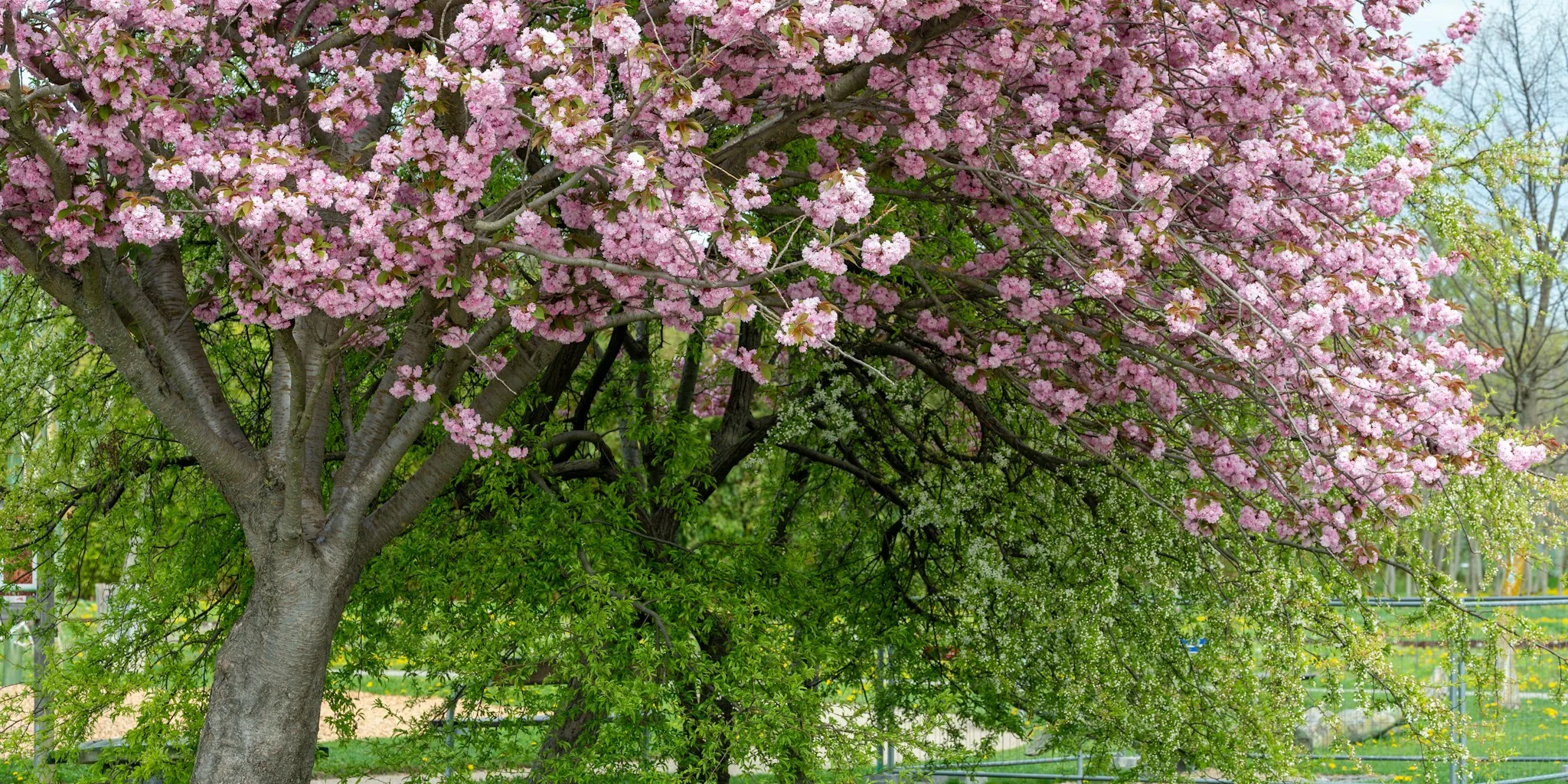

For decades, the Bradford pear has dominated residential landscapes across the United States, prized for its showy white spring blossoms and reliable fall color. However, gardeners and horticulturists are now shifting their preference toward a native alternative that outperforms the Bradford pear in nearly every meaningful way: the serviceberry.
What Changed in the Gardening World
The Bradford pear’s popularity is declining due to several significant drawbacks that have become impossible to ignore. These trees produce an unpleasant odor during flowering, their branches are notoriously weak and prone to splitting under stress or heavy snow, and they contribute to the spread of invasive Callery pear species that threaten native ecosystems. Meanwhile, the serviceberry, also known as juneberry or shadbush, offers a superior alternative that addresses all these concerns while delivering substantially more value to your landscape.
What Shoppers Need to Know About Serviceberry
The serviceberry is a native North American tree that genuinely excels across multiple seasons. In spring, it produces delicate white flowers that attract pollinators and create the same ornamental appeal that made Bradford pears so desirable. However, the serviceberry doesn’t stop there. By early summer, the tree yields small, edible berries that taste remarkably similar to blueberries and can be used in pies, jams, and other homemade preparations, though local birds typically feast on them before homeowners can harvest much. Come autumn, serviceberry foliage transforms into brilliant shades of yellow, orange, and red, rivaling any other ornamental tree in visual impact.
The tree belongs to the Amelanchier genus, and depending on the species and variety selected, it can grow as either a large shrub or a small to medium-sized tree. This flexibility makes it suitable for gardens where a full-sized shade tree would overwhelm the space. Unlike Bradford pears, which demand specific growing conditions, serviceberries adapt well to full sun or partial shade environments, making them accessible to homeowners with diverse garden layouts and light conditions.
Why Serviceberry Supports Your Garden Ecosystem
One of the most compelling reasons to choose serviceberry is its contribution to local wildlife. The spring flowers provide an early and critical nectar and pollen source for bees and other pollinators emerging from winter dormancy. The berries feed migratory birds and native wildlife throughout the growing season. This makes the serviceberry a genuinely productive landscape addition rather than merely decorative.
Growing serviceberry requires minimal fuss. The tree thrives in well-draining soil and doesn’t tolerate waterlogged conditions, so ensure proper site selection before planting. Beyond that, it’s a low-maintenance option that performs reliably year after year. When it comes time to maintain your landscape, having quality pruning tools on hand will help keep your serviceberry healthy and shapely.
How This Shift Affects Your Purchasing Decisions
If you’re planning spring or fall plantings, serviceberry deserves serious consideration over Bradford pear. While serviceberry may not grow quite as quickly or maintain the same rigid, uniform upright shape as a Bradford pear, this natural, slightly irregular form is part of its charm and authenticity. More importantly, a landscape tree should deliver year-round value, environmental benefit, and reliability, not just a brief display of flowers.
The transition from Bradford pear to serviceberry reflects a broader movement toward native plant gardening and ecological responsibility. More nurseries now stock serviceberry varieties, and landscape designers increasingly recommend it as the smarter choice. Whether you’re replacing an existing Bradford pear, starting a new garden, or looking to enhance your property’s appeal to pollinators and wildlife, serviceberry fits the bill perfectly.
As you prepare your garden beds and outdoor spaces, consider pairing serviceberry with complementary plantings and proper gardening tools to ensure your landscape thrives. The serviceberry’s combination of beauty, edibility, seasonal interest, and environmental benefit makes it the clear winner in the ongoing evolution of American residential gardening.






Write Your Review
No reviews yet. Be the first to share your experience!