
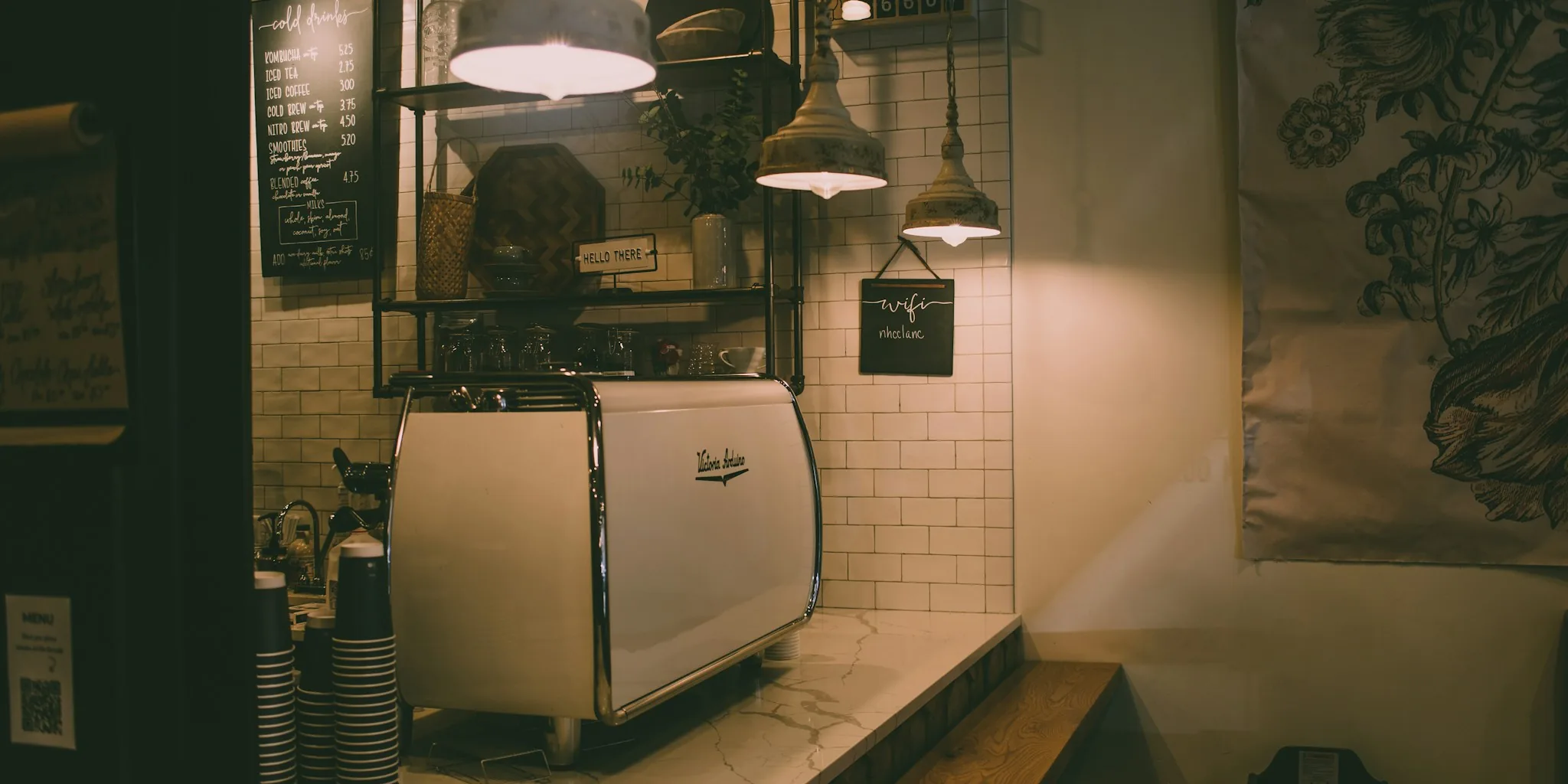

A new specialty coffee destination near Rome is redefining what a modern cafe can be by combining high-quality coffee with a carefully curated collection of vintage bakery equipment. Artefact, located in Frascati, Italy, represents a growing trend of cafes that go beyond serving beverages to create immersive cultural experiences for visitors.
The cafe, which recently approached its third anniversary, operates as a multiroaster establishment featuring coffee selections from both Italian and international roasters. The space itself tells a story through its thoughtfully restored machinery, transforming antique bakery tools into functional design elements that serve the daily operations of the cafe.
A Bridge Between Coffee Traditions
What sets Artefact apart is its founder Omar Cirulli’s philosophy about coffee culture. Rather than viewing specialty coffee and traditional Italian espresso as competing approaches, Cirulli has intentionally positioned his cafe as a meeting point between these two worlds. This approach means customers can experience both time-honored Italian espresso preparation methods and the precision-focused world of specialty coffee with attention to bean origin, roasting techniques, and flavor profiles.
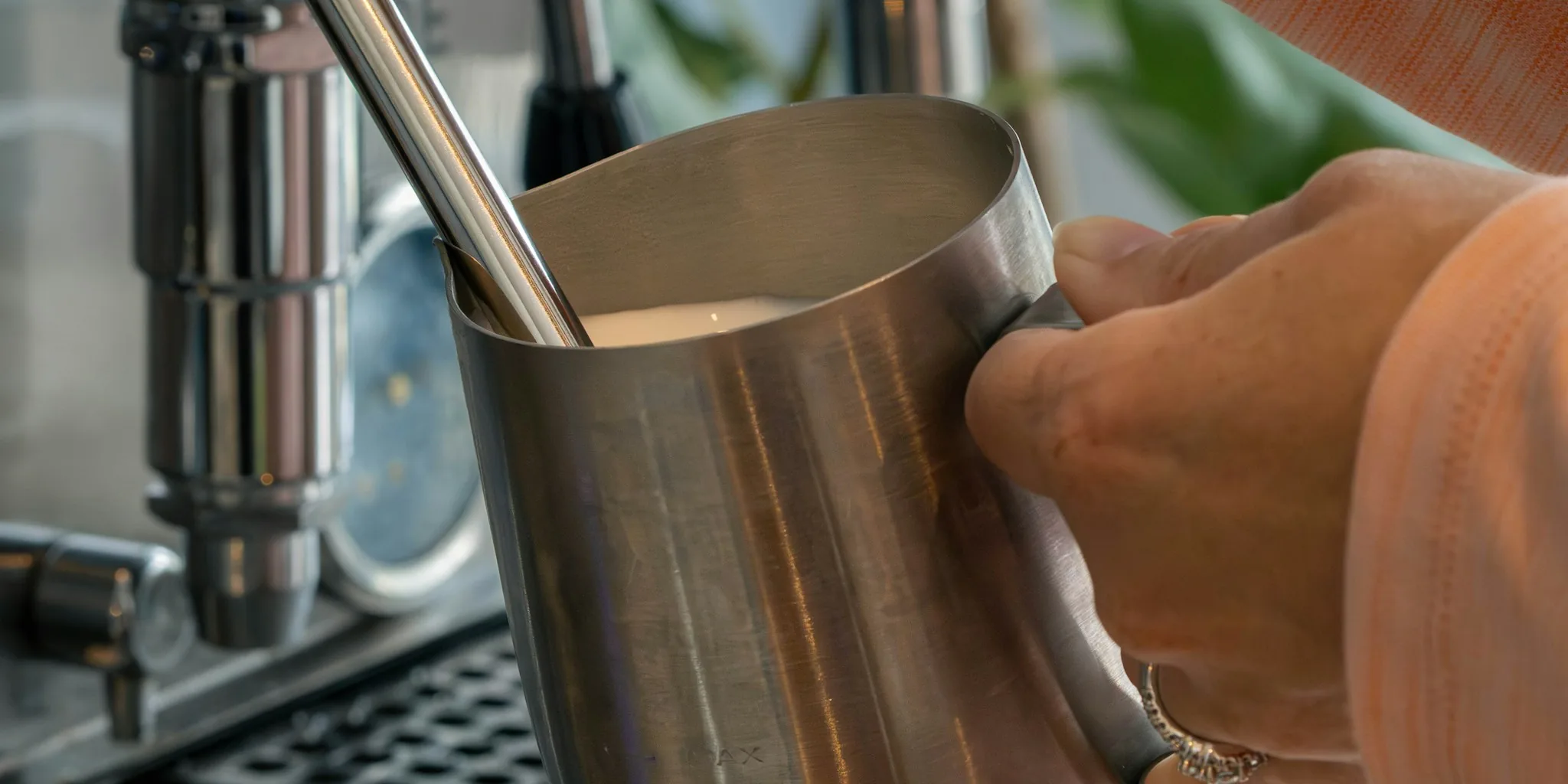
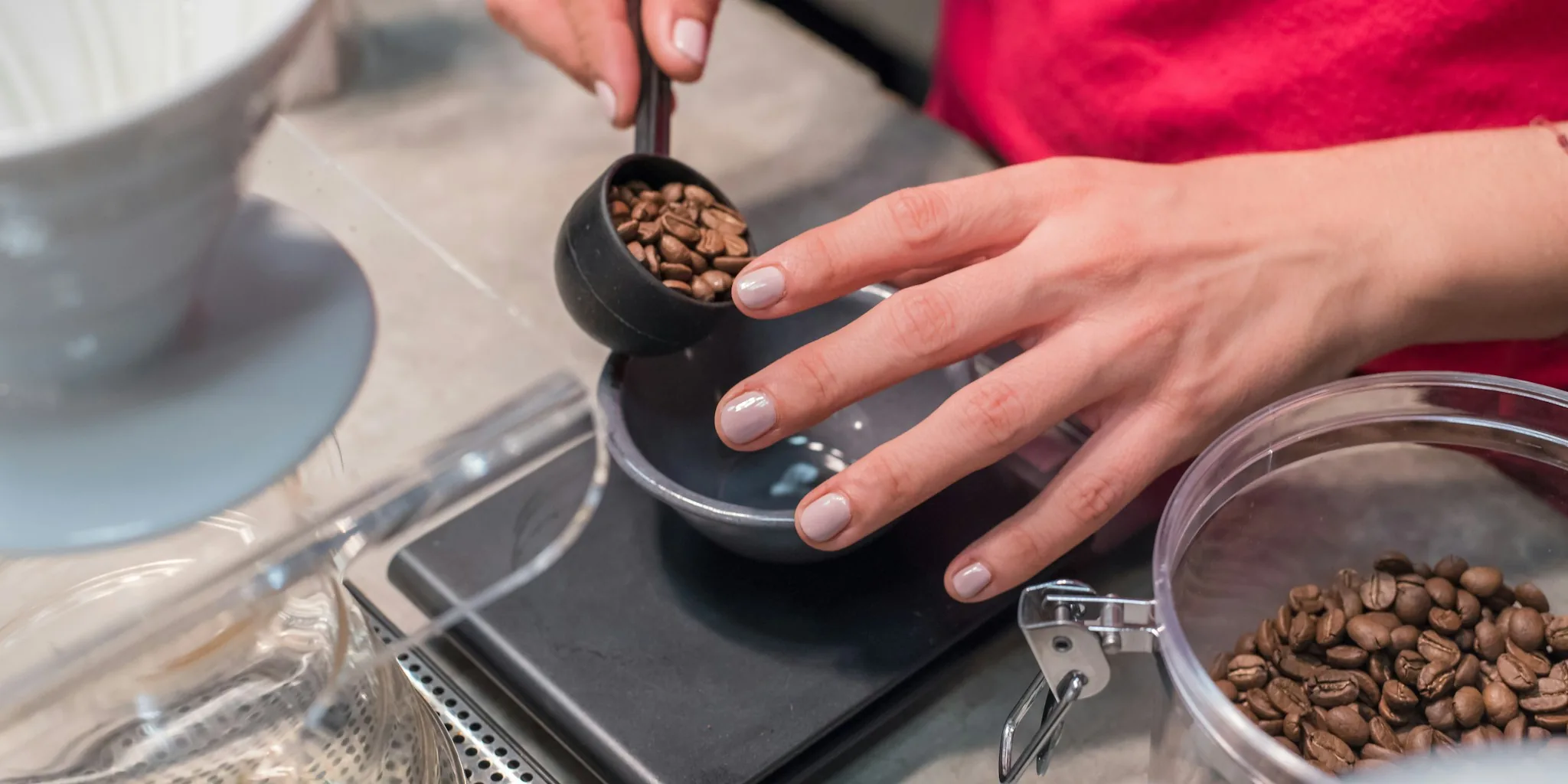
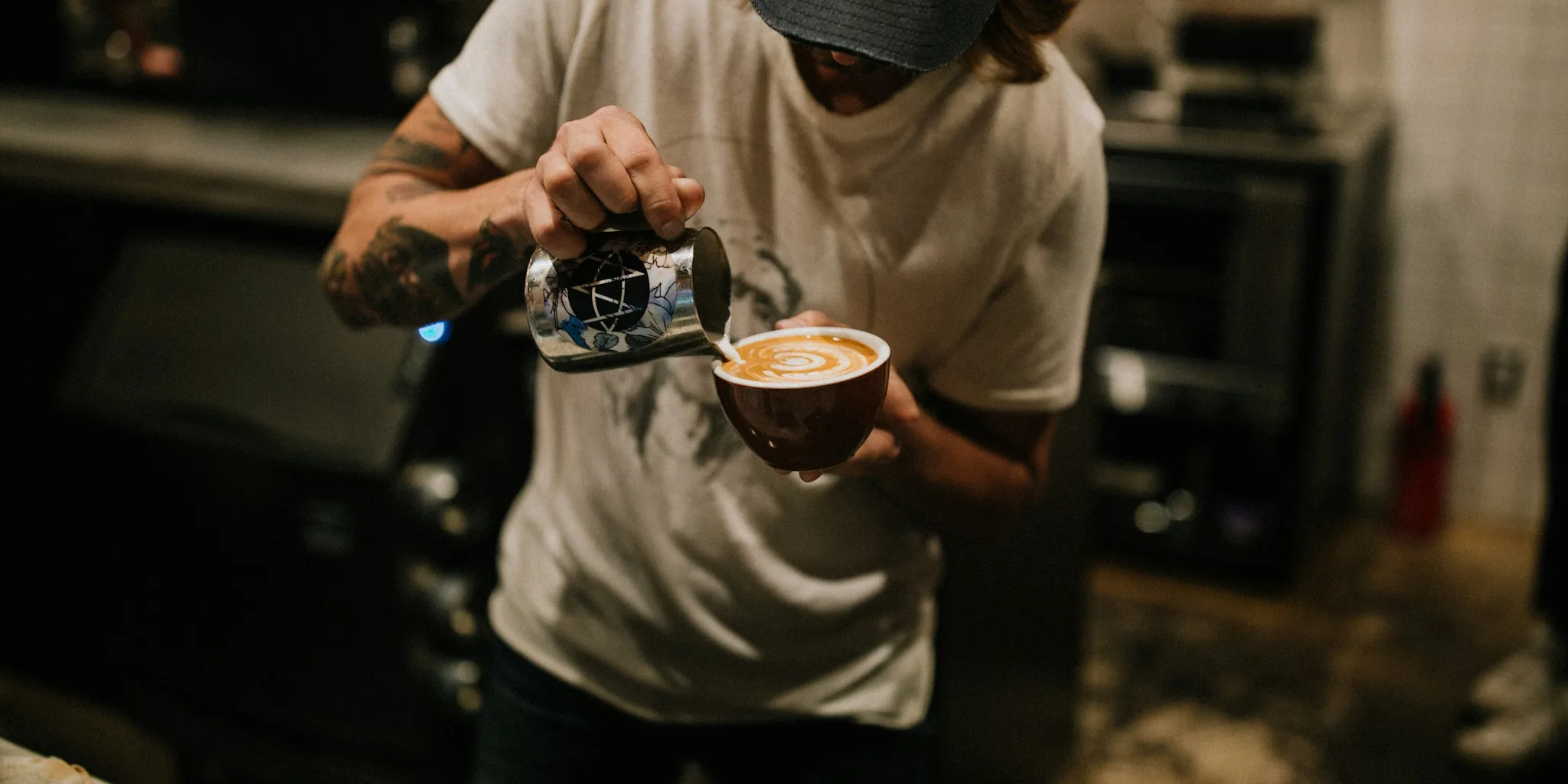
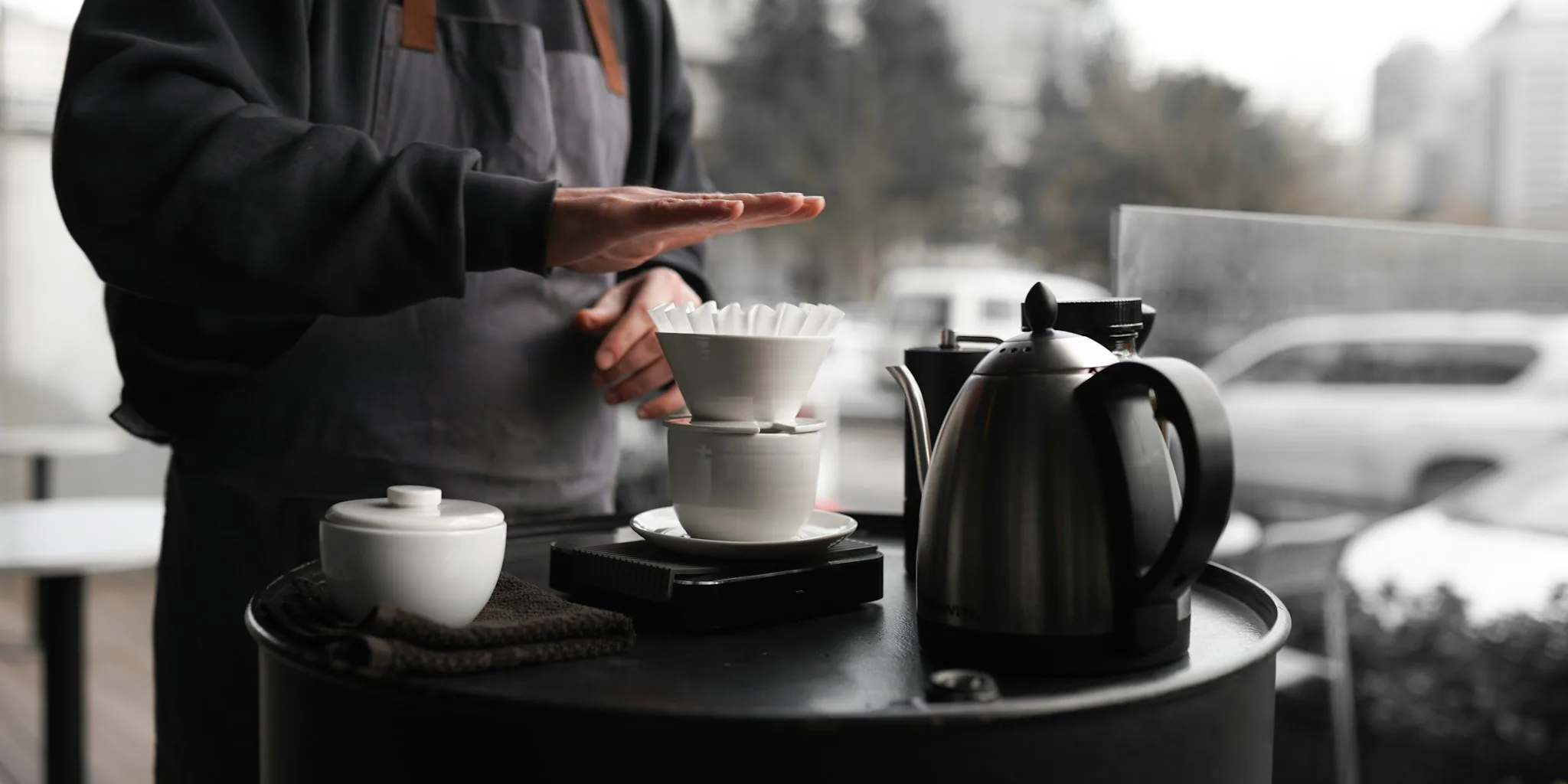
The espresso program showcases roasts from established names like Coffeeriff, a small-batch roastery based in Italy, alongside rotating international selections. The cafe prepares espresso on restored machines including a vintage Faema E61 from the 1960s, paired with classic La Pavoni models and modern equipment like a Eureka Drogheria grinder. For those seeking alternative brewing methods, Artefact also offers V60 pourovers using carefully selected beans from a regularly changing roster.
The Historical Machinery Story
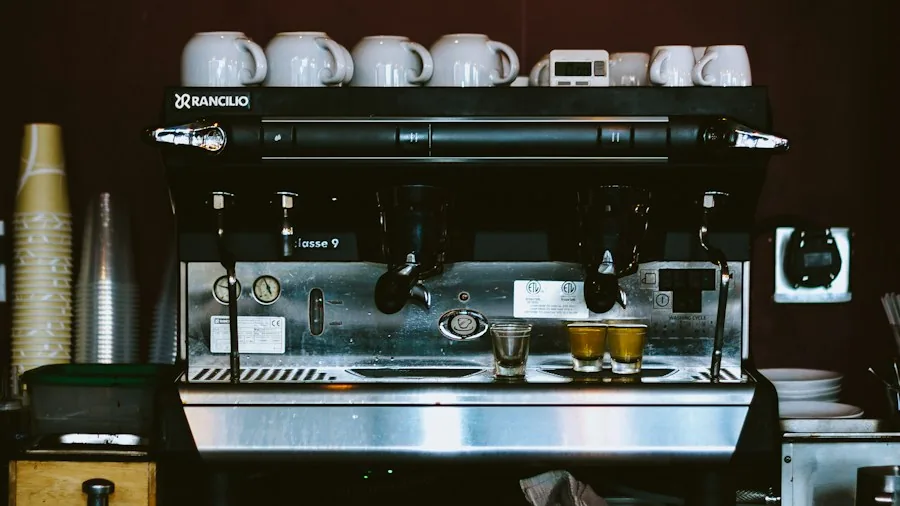
The heart of Artefact’s identity rests in its industrial heritage collection. A reconstructed mechanical transmission system from the mid-19th century serves as a centerpiece, displayed alongside early-20th-century refining equipment and an arm mixer. These machines represent the evolution of bakery technology, from water-powered systems through steam power to modern electric motors.
Cirulli personally operates these mechanisms to demonstrate how different components functioned, offering visitors a hands-on understanding of how bakery technology transformed over generations. This educational component elevates the cafe experience beyond coffee service, making it a destination for those interested in industrial history and technological development.
The cafe’s interior design reflects this commitment to authenticity. Rather than creating a forced industrial aesthetic, Cirulli repurposed actual bakery equipment for practical use. Old bakery worktables became the counter, while traditional bakery trolley racks were adapted as shelving. This integration means historical objects remain part of everyday cafe operations rather than serving as mere decorative display pieces.
What This Means for Coffee Shoppers
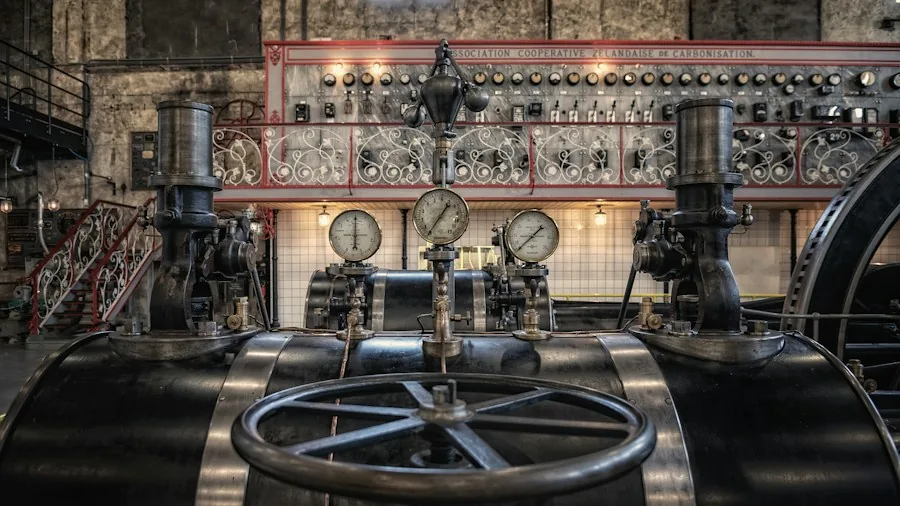
The emergence of cafes like Artefact signals an important shift in the global coffee landscape. Consumers increasingly seek more than just a beverage; they want connection to the story behind their coffee and appreciation for the craftsmanship involved in its preparation. The combination of specialty coffee quality with meaningful cultural context creates a richer experience than traditional cafes offer.
For regular coffee drinkers, this trend means more options for exploring different coffee origins and preparation methods. Whether you prefer the quick ritual of a traditional Italian espresso or the exploratory nature of specialty coffee served in quality vessels, cafes following Artefact’s model accommodate multiple preferences under one roof.
Cirulli’s vision also reflects broader sustainability and heritage preservation goals. By giving new life to professional bakery equipment through restoration and repurposing, the cafe demonstrates how contemporary businesses can honor industrial heritage while maintaining economic viability. This sustainable model combines preservation with public education, making historical technology accessible to modern audiences.
The Personal Journey Behind the Concept
Artefact’s story began during the COVID-19 pandemic when Cirulli started collaborating more closely with his father, a technician specializing in bakery equipment repair and restoration. Through this work, Cirulli discovered historical documents and materials documenting the technological and social transformations within the bakery industry. His brother Mattia pursued a different path, opening a cafe and pastry shop, which now supplies baked goods to Artefact.
Cirulli’s genuine interest in coffee, strengthened through exposure to his brother’s business, naturally evolved into establishing Artefact. The cafe officially opened in November 2023 and has since become known for successfully bridging seemingly separate coffee cultures while maintaining respect for both approaches.
Looking forward, Cirulli envisions expanding Artefact’s cultural mission through a larger space that could display more equipment and host additional public programming. For Cirulli, growth means strengthening the sustainable model where contemporary commerce preserves and shares industrial heritage, rather than simply increasing sales volume.
Write Your Review
No reviews yet. Be the first to share your experience!