

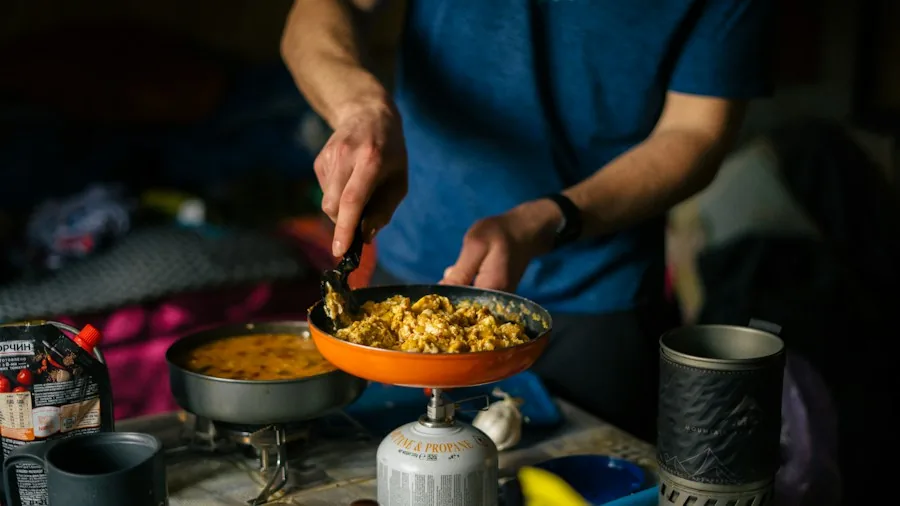
If you’ve ever examined the nutrition label on a freeze-dried backpacking meal, you may have noticed something startling: a single pouch can contain more than 1,500 mg of sodium, approaching two-thirds of the recommended daily limit for most adults. But here’s the catch, when you’re spending hours climbing steep terrain and sweating profusely, your body is losing both water and sodium simultaneously. This creates a genuine dilemma for trail enthusiasts: Should you worry about sodium in your hiking meals, or embrace it as a necessary replacement?
A registered dietitian recently compared two realistic days of backpacking food to illustrate just how much variation exists. Both meals provided approximately 3,150 calories and weighed about 23 ounces dry, yet one contained 5,465 mg of sodium while the other held just 1,975 mg. The difference came down to specific product choices: swapping a Mountain House Breakfast Skillet for Backpacker’s Pantry Oatmeal, switching pretzel flavors, or choosing one protein bar brand over another. This dramatic swing means shoppers should scrutinize their trail menus before automatically adding electrolyte supplements.
Understanding Your Personal Sweat Profile
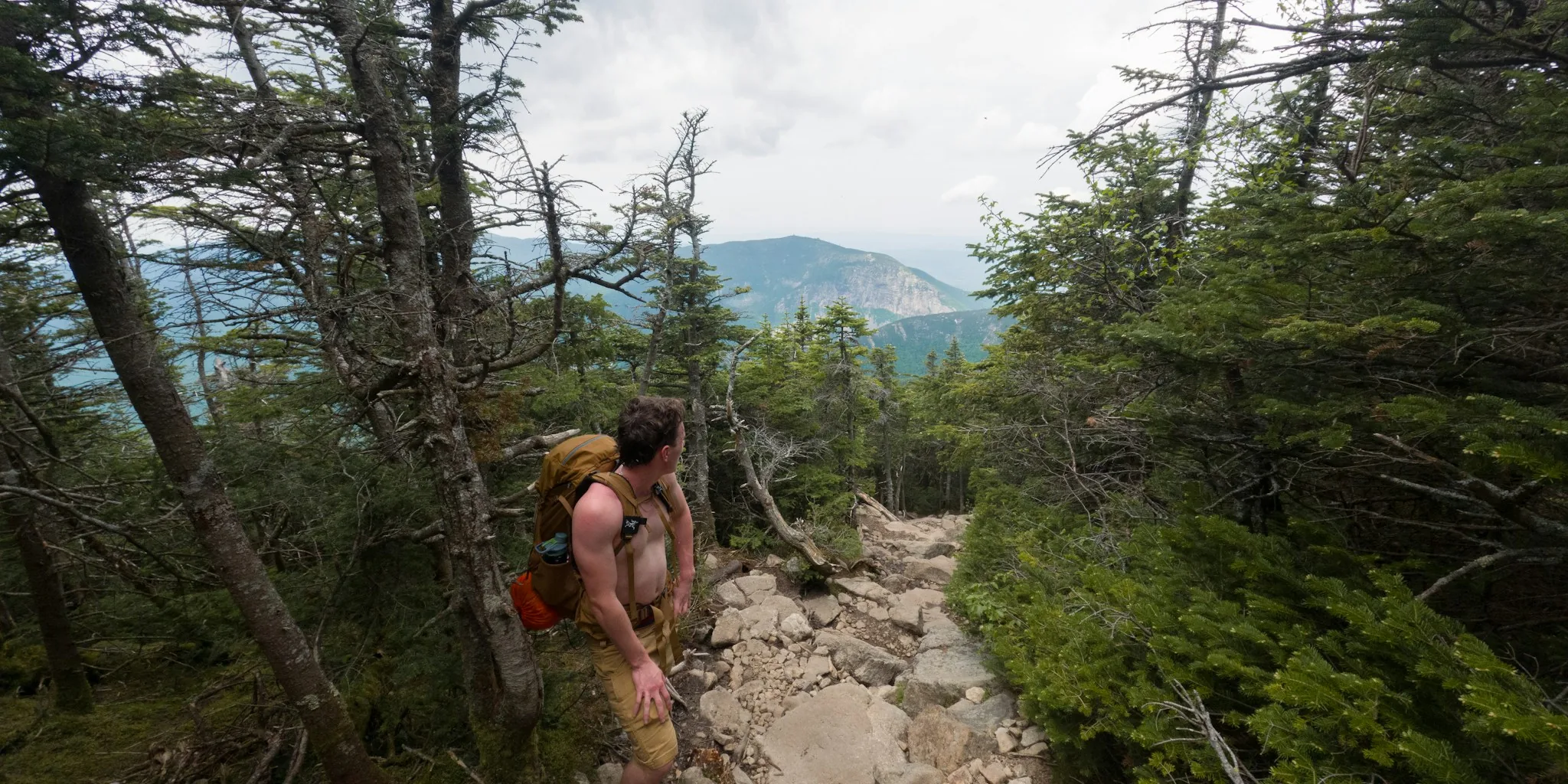
Here’s what many hikers don’t realize: two people on the same trail, covering identical mileage, may lose vastly different amounts of sodium. Sweat sodium concentration varies from roughly 230 to 1,600 mg per liter depending on temperature, exertion level, clothing, heat acclimatization, and individual physiology. Even if you could measure your exact sweat losses, that wouldn’t automatically tell you how much sodium to consume. Your body naturally regulates sodium and water balance, and research suggests targeted replacement matters most during prolonged exercise combined with substantial sweat losses and fluid intake, not necessarily during every hike.
This means blindly taking an electrolyte packet every hour won’t work for everyone. A generic supplement doesn’t account for how much you’re actually sweating, how much water you’re drinking, or the sodium already in your food.
Tracking What You Actually Eat

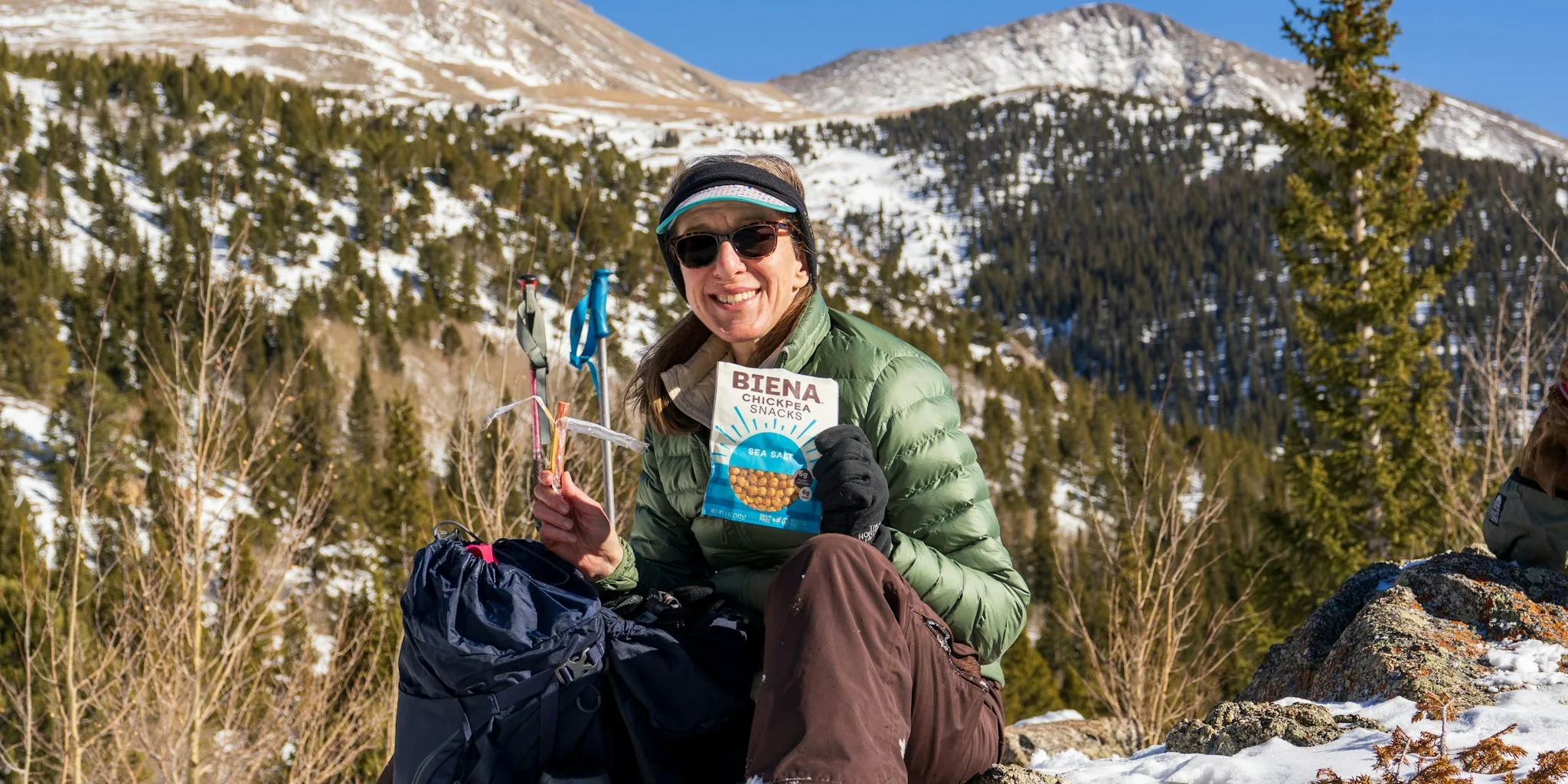
Sodium reaches your body through multiple channels during a hike: freeze-dried dinner pouches, pretzels, jerky, cheese, energy bars, and electrolyte drinks all contribute to your total intake. The timing matters too. If you hike for ten hours in warm weather while eating very little but drinking water, your body misses sodium during those crucial hours. A high-sodium dinner at camp helps with recovery but won’t have supported your performance during the day. Conversely, if you regularly snack on salty foods throughout your hike, you’re already consuming sodium without adding supplements.
When shopping for hiking gear and trail nutrition, read labels carefully. Compare brands and specific meals rather than assuming all backpacking food is equally salty. Your gear selections matter too, proper hiking poles and comfortable hiking pants ensure you move efficiently and stay comfortable, which affects how much you sweat overall.
A Word About Overconsumption
Health authorities recommend limiting sodium for legitimate reasons. Consistently consuming excess sodium can raise blood pressure and increase your risk of heart disease and stroke over time. A particularly salty meal can leave you temporarily bloated or excessively thirsty as your body balances fluid levels. If your doctor has advised you to limit sodium due to high blood pressure or kidney disease, those recommendations remain valid on the trail.
However, eating salty meals during one strenuous hiking day differs from eating a high-sodium diet year-round. Your activity level and environmental conditions change how your body processes and uses sodium. This doesn’t mean you should ignore labels or add electrolytes without thinking, it simply means context matters when interpreting nutrition information.
The Bottom Line for Shoppers
No universal formula exists for your perfect sodium intake. Your sweat losses vary with conditions and individual biology, and even knowing your exact losses wouldn’t reveal your ideal replacement amount. A meal containing 5,465 mg of sodium might be appropriate for a strenuous day, while 1,975 mg could work equally well under different circumstances. Research hasn’t consistently shown that extra sodium improves hiking performance, so chasing a precise replacement number isn’t necessary.
The most practical approach: track what you eat and drink, note the conditions you’re hiking in, and pay attention to how you feel during and after your outing. Over time, you’ll recognize patterns that help you plan better for future trips. Rather than following generic advice, experiment with your personal nutrition strategy. Every hiker’s needs are different, and your actual experience on the trail teaches you more than any standardized recommendation ever could.

Write Your Review
No reviews yet. Be the first to share your experience!