


Why Make Your Latte at Home
Crafting a café-quality latte in your own kitchen saves you money and gives you complete control over every ingredient. Whether you already own brewing equipment or want to invest in your coffee setup, making lattes at home is more achievable than you might think. Even without an expensive espresso machine, you have multiple methods available to create that smooth, creamy drink you love.
Tip 1: Start with Quality Espresso or Strong Brewed Coffee
The foundation of any great latte begins with the right base. True espresso is ideal, but if you don’t have an espresso machine, strongly brewed coffee works just as well. Consider investing in a Moka Pot, which produces concentrated coffee similar to espresso at a fraction of the cost. This stovetop brewing device is one of the most budget-friendly ways to get that rich, bold flavor your latte needs. For more comprehensive brewing options, explore different coffee makers for every budget and brewing style to find what fits your kitchen.
Tip 2: Choose Your Milk Wisely
Not all milk froths equally. Whole milk delivers the best results for steaming because of its higher fat content, which creates that velvety texture and stable microfoam. However, if you prefer non-dairy options, don’t give up. Oat milk and almond milk can froth beautifully with a little practice and patience. The key is selecting milk that’s fresh and stored properly. Experiment with different varieties to discover your personal preference and find what works best with your equipment.
Tip 3: Master the Temperature Target
Proper milk temperature is crucial for a quality latte. Heat your milk to approximately 140 degrees Fahrenheit. You’ll know you’ve reached the right temperature when the outside of your pitcher becomes too hot to handle comfortably, but the milk hasn’t begun to simmer. This temperature creates the ideal texture and brings out the natural sweetness in your milk without scorching it. Use your hands as a gauge if you don’t have a thermometer handy.
Tip 4: Use an Espresso Machine Steam Wand Correctly
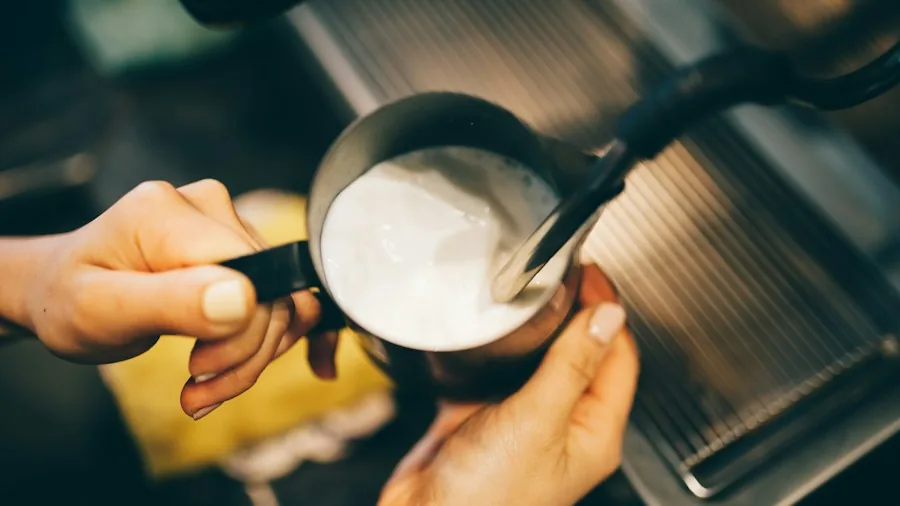
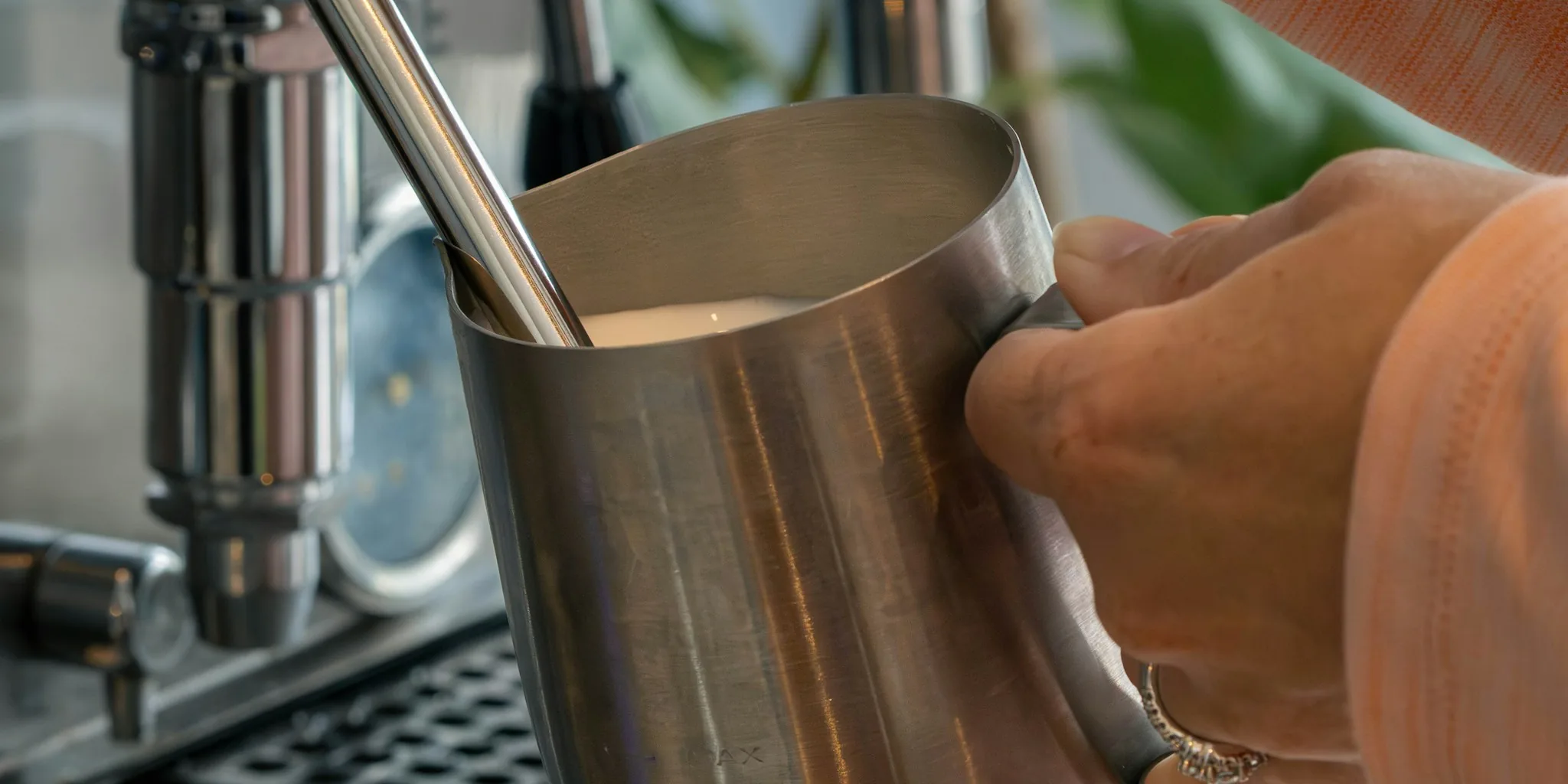
If you have access to an espresso machine, using the steam wand properly makes all the difference. Pour your milk into a frothing pitcher and position the steam wand at an angle, barely below the milk’s surface. Steam for just 1 to 2 seconds in this shallow position, then gradually submerge the wand deeper while maintaining the angle. Continue steaming until your pitcher becomes too hot to hold. This technique creates the microfoam that separates a great latte from a mediocre one.
Tip 5: Try Alternative Frothing Methods
Not everyone has an espresso machine, and that’s perfectly fine. A dedicated milk frother is an affordable alternative. Heat your milk in a small saucepan to 140 degrees, then pour it into a frother pitcher and insert the frother about three-quarters of the way down. Froth until the milk thickens and resembles melted ice cream. Alternatively, a French press works surprisingly well. Pour milk into a microwave-safe French press, pump the plunger repeatedly until the volume doubles, then microwave for 30 to 45 seconds. An immersion blender also creates nice foam in a pinch. Single-serve coffee makers often pair well with compact frothing tools for complete home setup solutions.
Tip 6: Get the Ratio Right
A balanced latte typically uses 2 shots of espresso or strongly brewed coffee combined with 6 ounces of steamed milk. This ratio ensures your espresso’s bold flavor remains prominent while the milk provides creaminess and body. Adjust slightly based on your taste preferences, but this starting point gives you a solid reference. The proportion between espresso and milk is what truly defines a latte and distinguishes it from other coffee beverages.
Tip 7: Elevate with Flavored Syrups

Once you’ve mastered the basic latte, customize it with flavored syrups. Plenty of commercial options are available at supermarkets and coffee shops, but making your own simple syrups at home lets you control sweetness and ingredients. Vanilla, caramel, hazelnut, and seasonal flavors all pair beautifully with espresso and milk. Add syrup to your mug before pouring in the espresso and steamed milk for even distribution.
Quick Troubleshooting
Don’t get discouraged if your first attempts aren’t perfect. Creating smooth microfoam takes practice, but the learning curve is short. If you’re struggling with frothing, ensure your milk is cold when you start and that your equipment is clean. If your latte tastes bitter, your espresso may be over-extracted, so try brewing for slightly less time. Each adjustment teaches you something about your equipment and preferences, making you a better home barista with every cup you make.



Write Your Review
No reviews yet. Be the first to share your experience!