


Why Bare-Root Plants Are Worth Your Attention This Season
When you’re shopping for new perennials to expand your garden, you’ll encounter two main options: potted plants or bare-root specimens. Bare-root plants arrive with their roots wrapped in moist material and no soil surrounding them. Because they’re significantly lighter than potted alternatives, shipping costs drop considerably, savings that retailers pass along to buyers. But the advantages extend far beyond price.
Planting bare-root perennials during their dormant period allows them to concentrate energy on establishing robust, healthy root systems rather than producing new foliage. The cooler temperatures and increased moisture typical of fall create ideal conditions for this transition, minimizing transplant shock. For shoppers looking to expand their landscape efficiently, this represents a genuine opportunity to get quality plants at lower price points.
Timing Matters: The Fall Window and Winter Planning
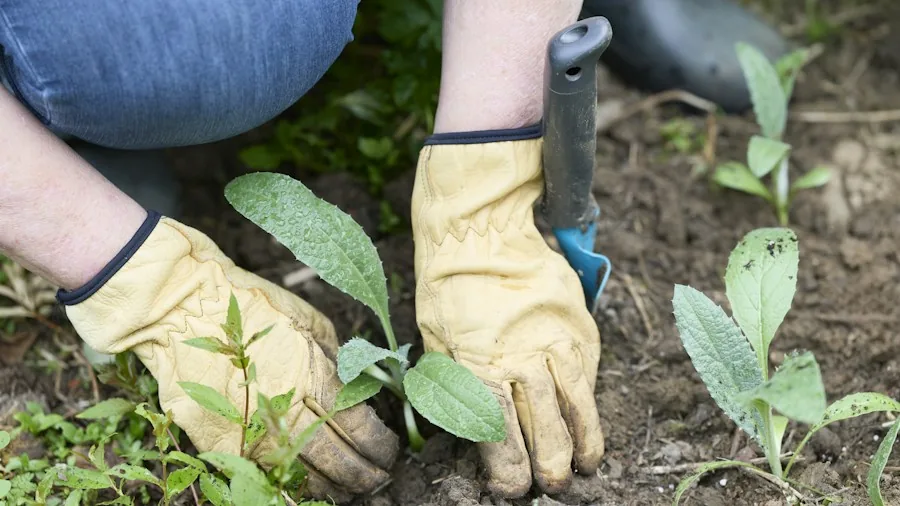
The most critical factor when buying bare-root perennials is ensuring they have adequate time to develop roots before winter arrives. Plan to plant them four to six weeks before your soil freezes solid, which typically occurs after your first frost date. This gives the root system a fighting chance to establish itself through the cold months ahead.
If you’ve missed the fall planting window in your region, don’t worry. Late winter and early spring offer another excellent opportunity for bare-root planting. However, many nurseries sell out of popular varieties well before spring arrives, so ordering during fall for spring delivery is a smart strategy. You can lock in your selections now and receive them at the perfect planting time for your climate.
How to Plant Bare-Root Perennials Successfully
When your bare-root plants arrive, keep the roots wrapped in their moist material until you’re ready to dig. Exposure to air dries out roots quickly, causing stress and reduced survival rates. Before unwrapping, inspect the roots once exposed. Healthy roots appear firm and plump. Remove any that feel mushy, brittle, or show signs of mold, but preserve all healthy tissue.
If the roots lack moisture, soak them in water for 30 to 60 minutes before planting. Prepare your garden bed by removing weeds, loosening compacted soil, and mixing in compost. Position each plant so roots spread naturally in a hole deep enough to accommodate them without bending or crowding. Many gardeners benefit from using proper gardening gloves when handling bare-root stock to protect both your hands and delicate new growth.
Consider applying a mycorrhizal fungi inoculant directly over the roots and into the planting hole. These beneficial fungi form symbiotic relationships with perennial roots, enhancing water and nutrient absorption significantly. Backfill carefully, gently firming soil to eliminate large air pockets. Water thoroughly to settle everything, then maintain consistent moisture until the ground freezes. A light mulch layer over the root zone helps retain moisture and protects against temperature swings through winter.
Six Top Perennials to Buy Bare-Root
Peonies
These long-lived perennials produce magnificent large flowers in late spring or early summer and reward gardeners with decades of blooms. Plant bare-root peonies in fertile, well-draining soil in full sun. Position the small growth buds called eyes just 1 to 2 inches below the soil surface. Planting too deep prevents flowering entirely. Fall is an ideal season for getting peonies established.
Daylilies
Remarkably adaptable and forgiving, daylilies flower throughout summer with new blooms appearing daily despite each individual flower lasting only one day. They tolerate full sun or partial shade and thrive in well-drained soil. Plant the crown no deeper than one inch below soil level. Fall planting works well if you allow several weeks for establishment before frozen ground arrives.
Bearded Irises
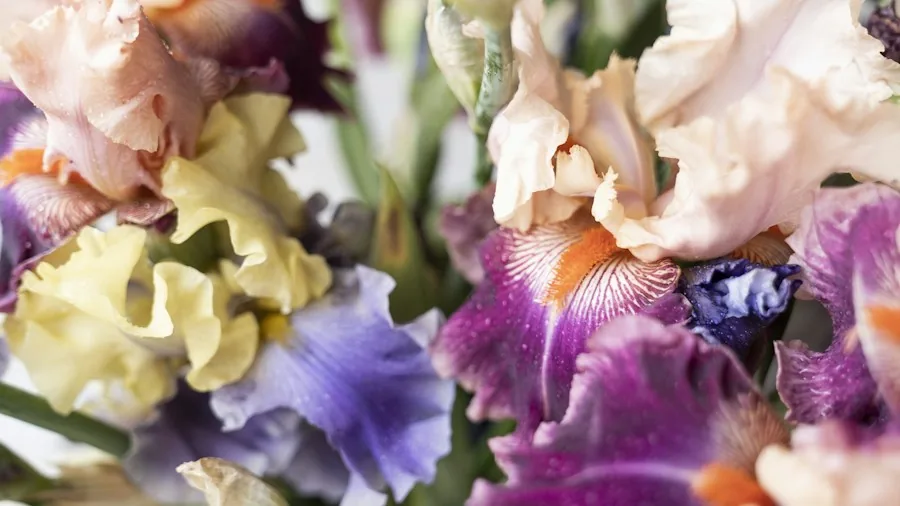
These striking perennials bloom in late spring and early summer with frilled petals in an impressive range of colors. They arrive as root rhizomes ready for planting four to six weeks before hard freeze. Place rhizomes horizontally in the soil with barely covered upper surfaces. They demand full sun and excellent drainage, making location selection crucial for winter survival in cold climates.
Oriental Poppies
With dramatic, colorful frilled flowers on tall stalks, oriental poppies add structure and impact to beds in late spring and early summer. They grow best in full sun and well-drained soil. Choose their location carefully because they develop long taproots that resist transplanting. Many nurseries ship these bare-root in spring rather than fall, though fall planting works when timing permits.
Astilbe
These shade-loving perennials produce feathery flower plumes in red, purple, pink, and white during summer. They prefer partial to full shade and rich, moist soil. Plant to keep the crown at soil level. Fall or spring both work for bare-root astilbe, though ensuring adequate establishment time before freezing is essential for northern gardens.
Bleeding Heart
Perfect for woodland gardens and shaded beds, bleeding heart produces characteristic heart-shaped flowers hanging from gracefully arching stems in spring. This shade-tolerant perennial needs moist but well-draining soil. Since bleeding hearts don’t tolerate relocation well, site selection is permanent. Get them planted in fall with the crown positioned 1 to 2 inches deep, eyes facing upward. Using raised garden beds can improve drainage for species requiring specific moisture levels.
Why Bare-Root Deserves Your Consideration
Bare-root perennials represent a smart investment for budget-conscious gardeners willing to spend time on proper planting technique. They cost substantially less than container-grown equivalents and establish into reliable, long-term performers when given appropriate care. By ordering this fall and timing your planting correctly, you can transform your landscape affordably while ensuring winter establishment success for your new garden additions.





Write Your Review
No reviews yet. Be the first to share your experience!